Can I Shower If My Septic Tank Is Full
Ever found yourself staring blankly at a slow-draining shower or a gurgling toilet, a little voice in your head whispering, "Is my septic tank full?" It's a common, slightly unsettling thought for anyone living with a septic system. But instead of just shrugging it off, let's lean into that curiosity! Understanding what happens when your septic tank is at capacity, especially regarding something as routine as a shower, isn't just about solving a household mystery; it's about becoming a smarter, more prepared homeowner.
The purpose of diving into this slightly murky topic is far from glamorous, but its benefits are hugely practical. Knowing the ins and outs can help you avoid costly damage, prevent unpleasant backyard surprises (we're talking raw sewage!), and even contribute to environmental health by preventing overflows. It's about empowering yourself with knowledge so you can make quick, informed decisions when those tell-tale signs pop up. Think of it as developing a sixth sense for your home’s most important, often unseen, waste management system.
So, can you shower if your septic tank is full? The short, rather grim answer is: you really, really shouldn't. And if you do, make it the quickest, most minimalist shower of your life. Why? Your septic tank is designed to hold solids and allow liquids to flow out into a drain field (or absorption field) where they are naturally filtered by the soil. When the tank is full, it means the solids have accumulated too much, or more commonly, the drain field isn't absorbing liquids effectively. Pumping more water into an already overwhelmed system creates a severe risk of a sewage backup into your home – through toilets, sinks, and yes, your shower drain. It can also cause an overflow into your yard, which is an environmental and health hazard.
Must Read
In daily life, this knowledge becomes incredibly useful. Imagine you're hosting guests, and suddenly the drains are sluggish. Your understanding of septic systems means you'll instantly know to advise everyone to minimize water use, especially flushing and showering. This isn't just for emergencies; it's a great lesson in water conservation for the whole family. For kids, it can be a simple, tangible way to understand where waste goes and why water is a precious resource. It’s also a reminder to stick to your regular pump-out schedule, a prime example of proactive home maintenance.
Ready to explore this further without getting your hands dirty? Here are some simple tips:
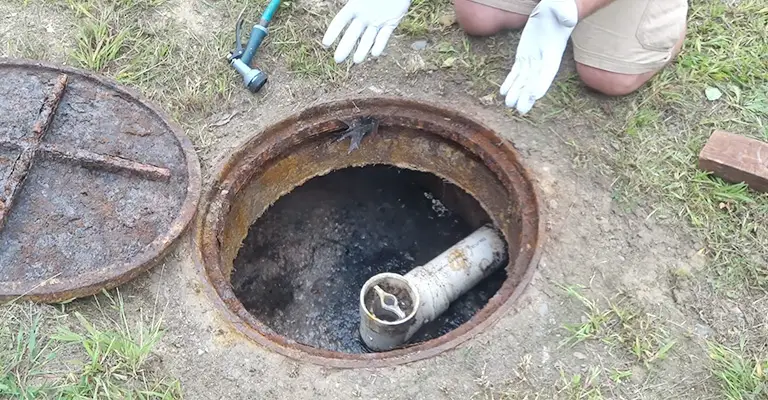
- Know Your System: Find out where your septic tank and drain field are located. Understand your tank's size and when it was last pumped. This information is your superpower!
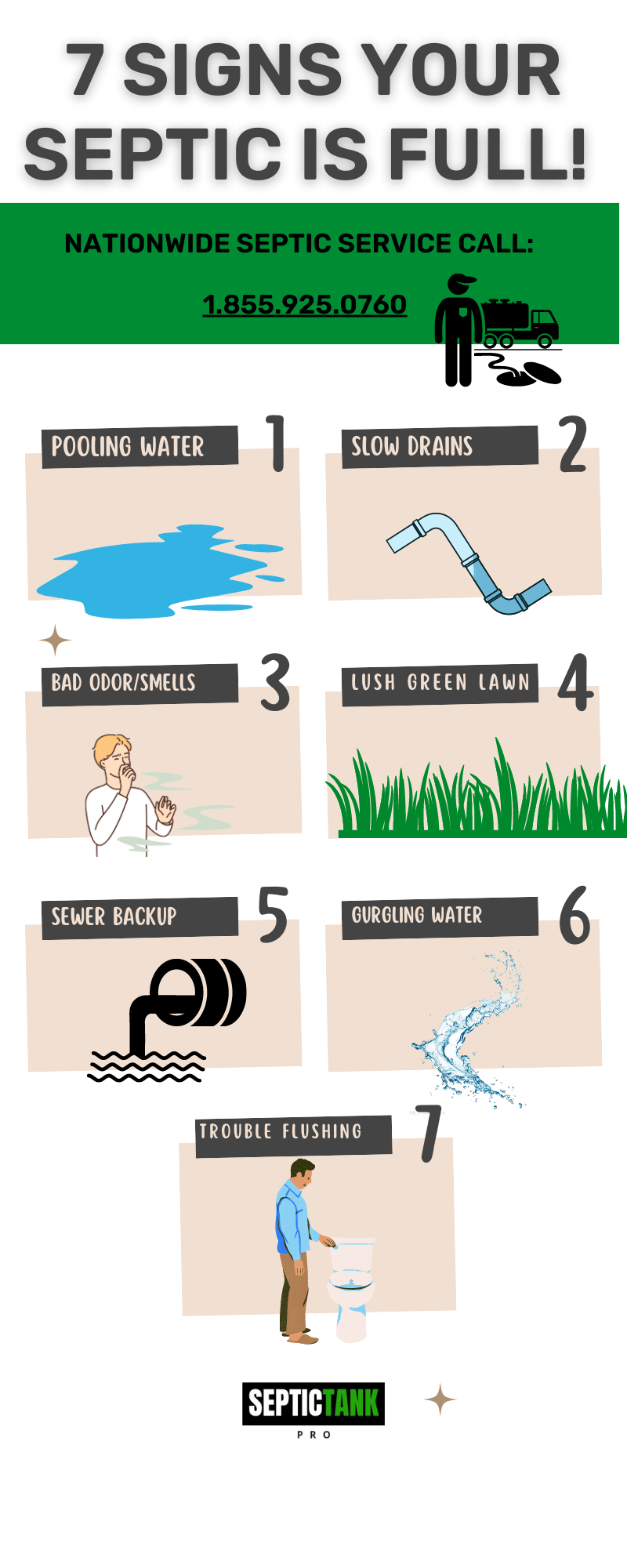
- Listen and Look: Pay attention to your home's drains. Are they slower than usual? Is there a gurgling sound when water drains? Do you smell foul odors around your drain field or inside your home? These are critical warning signs.
- Conserve Water: If you suspect a full tank, drastically reduce water use. This means no laundry, minimal flushing, and definitely no long showers until a professional can assess the situation.
- Professional Help is Key: Don't try to DIY a full septic tank. Call a reputable septic service company immediately. They can diagnose the problem, pump the tank, and advise on any drain field issues.