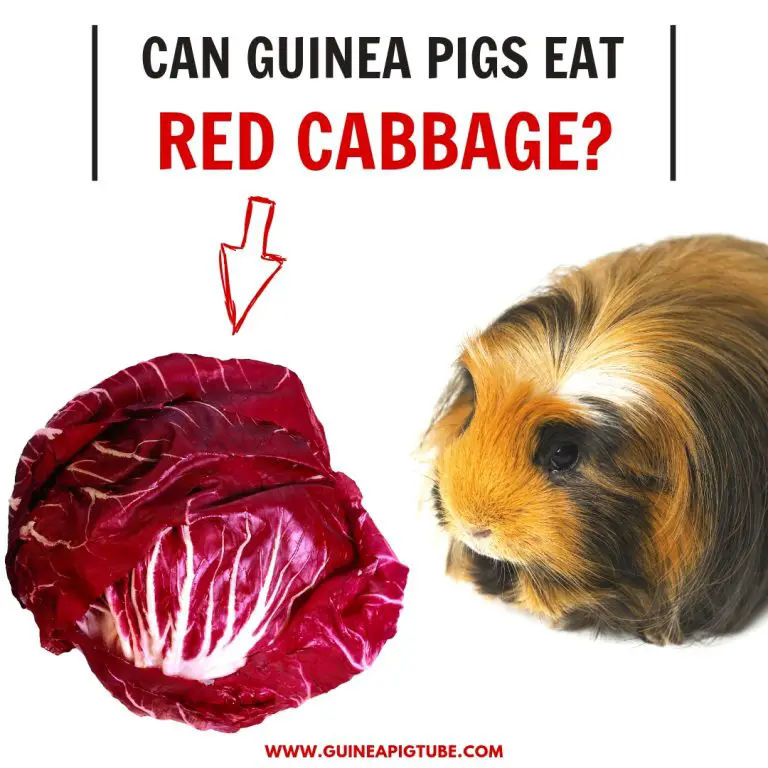
Can Guinea Pigs Eat Red Cabbage
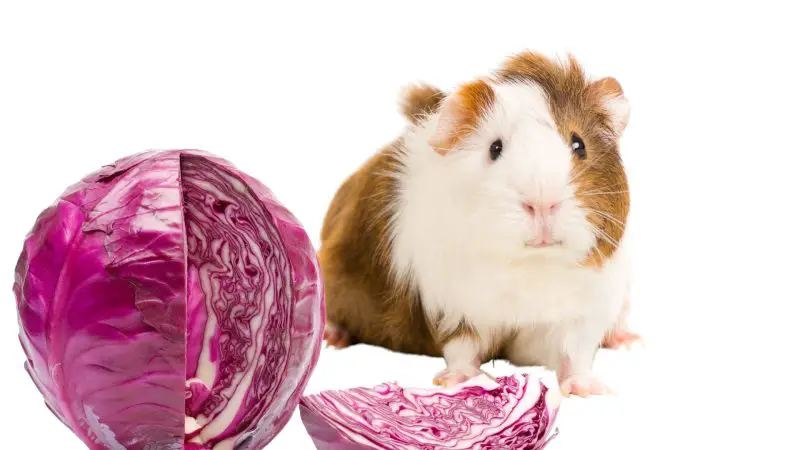
Ever find yourself staring into the crisper drawer, wondering if that vibrant head of red cabbage could be a tasty treat for your furry little friend? It's a question every responsible guinea pig owner eventually asks: "Can my guinea pig eat this?" Knowing what's safe and nutritious for our guinea pigs is part of being a good pet parent. Plus, it's kind of fun! Exploring the world of guinea pig-safe veggies opens up a whole new appreciation for the produce aisle.
So, let's dive into the crunchy world of red cabbage. The short answer is yes, guinea pigs can eat red cabbage! But, as with most things in life, there's a bit more to the story. Red cabbage, like its green cousin, is packed with Vitamin C, a crucial nutrient for guinea pigs as they can't produce it themselves. It also contains fiber, which is essential for healthy digestion. The purpose of feeding red cabbage, therefore, is to provide a boost of these vital nutrients and add some variety to their diet.
However, red cabbage should be offered in moderation. This is because it can cause gas and bloating in guinea pigs if given in large quantities. Think of it like a special treat rather than a daily staple. Small amounts, perhaps a few leaves once or twice a week, are perfectly fine. Keep an eye on your guinea pig after introducing any new food to watch for any signs of digestive upset.
Must Read
In educational settings, understanding guinea pig nutrition can be a fun way to teach kids about healthy eating habits for all living creatures. It's a practical application of biology and demonstrates the importance of a balanced diet. In daily life, knowing which vegetables are safe for your guinea pig expands their culinary horizons! You can offer them a wider variety of fresh produce, enriching their lives and making meal times more interesting. Imagine the joy of watching your guinea pig happily munching on a small piece of red cabbage alongside their usual hay and pellets.

Here are some practical tips for introducing red cabbage to your guinea pig: Start small. Offer just a tiny piece at first and observe their reaction. Make sure to wash the cabbage thoroughly to remove any pesticides or dirt. Cut the cabbage into manageable pieces to prevent choking. And always remove any uneaten portions after a few hours to prevent them from spoiling.
Exploring the world of guinea pig-safe foods doesn't have to be daunting. A simple way to explore it is to start by researching common vegetables and fruits, checking reliable sources like guinea pig forums and veterinary websites. You can even create a little chart of safe and unsafe foods to keep on your fridge! With a little research and careful observation, you can confidently expand your guinea pig's diet and provide them with a healthy and enjoyable life.