Can Epsom Salt Be Used As Ice Melt

Winter's icy grip can turn your driveway into a skating rink overnight! We've all been there, nervously shuffling our way to the car, praying we don't end up flat on our backs. That's why the quest for the perfect ice melt is a never-ending saga. And the latest contender in this frosty battle? Epsom salt! Yes, the same stuff you use for soothing sore muscles might just save you from a winter wipeout. But can Epsom salt really melt ice? Let's dig in!
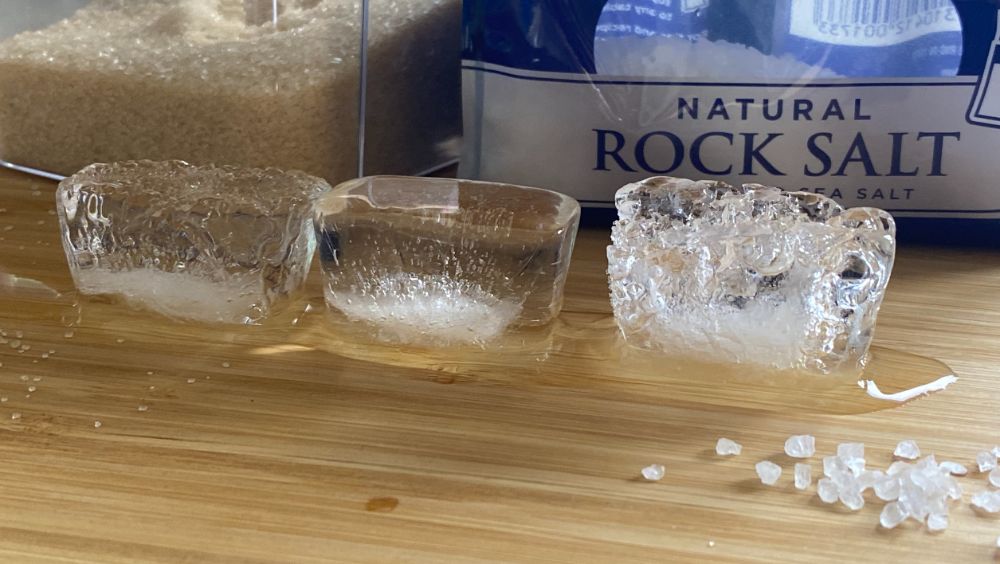
The main purpose of using any ice melt is simple: to lower the freezing point of water. When you sprinkle something like salt on ice, it interferes with the water molecules' ability to bond and freeze, causing the ice to melt, even if the air temperature is below freezing. Traditional rock salt (sodium chloride) is the most common choice, but it can be harsh on your concrete, plants, and even your furry friends' paws. That's where Epsom salt, or magnesium sulfate, enters the picture as a potentially gentler alternative.
One of the biggest benefits of using Epsom salt as an ice melt is that it's considered less corrosive than rock salt. This means it's less likely to damage your sidewalks, driveway, and other surfaces. Plus, it's often touted as being safer for vegetation, as the magnesium sulfate can actually act as a fertilizer for your lawn and garden. Imagine, melting ice and feeding your plants at the same time! It’s a win-win, right?
Must Read
However, before you rush out and buy a mountain of Epsom salt, there are a few things to consider. While it's generally considered less harmful than rock salt, it's not entirely harmless. Excessive amounts can still affect soil composition and potentially harm plants. Also, Epsom salt is not as effective at melting ice in extremely cold temperatures as rock salt. Its effective temperature range is generally around 20°F (-6°C), so if you live in a region with consistently frigid winters, it might not be the best solution for you.
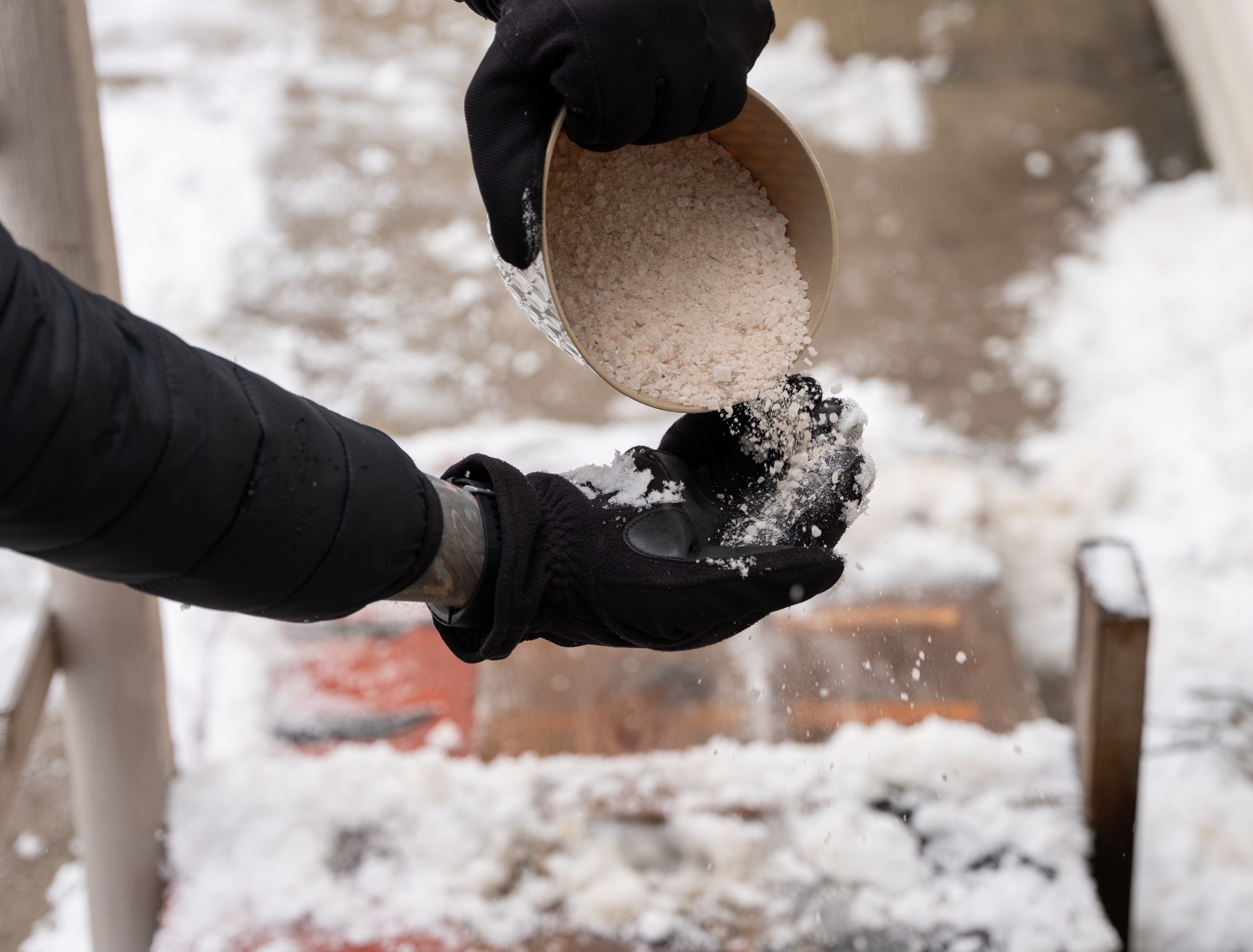
So, how do you use Epsom salt as an ice melt? It's pretty straightforward. Simply sprinkle it on icy surfaces, just like you would with rock salt. You might need to use a bit more Epsom salt than you would with rock salt to achieve the same melting effect. You can also mix it with warm water and spray it onto icy surfaces for a quicker melt, especially on windows and windshields. Remember to use it sparingly and avoid over-application to prevent any potential harm to your plants or the environment.
In conclusion, Epsom salt can be a useful and less harmful alternative to rock salt for melting ice, especially in milder winter conditions. It's generally considered safer for concrete, plants, and pets, but it's important to use it responsibly and be aware of its limitations. So, next time you're facing an icy situation, consider grabbing that bag of Epsom salt – it might just be the unexpected hero you need to conquer the winter blues!