
Can Carbon Monoxide Poisoning Cause Fever
Have you ever wondered about the mysteries our bodies hold? It's fascinating! One such question often pops up: can carbon monoxide poisoning make you feel feverish? Let's unravel this curious puzzle together.
The Silent Threat: Carbon Monoxide
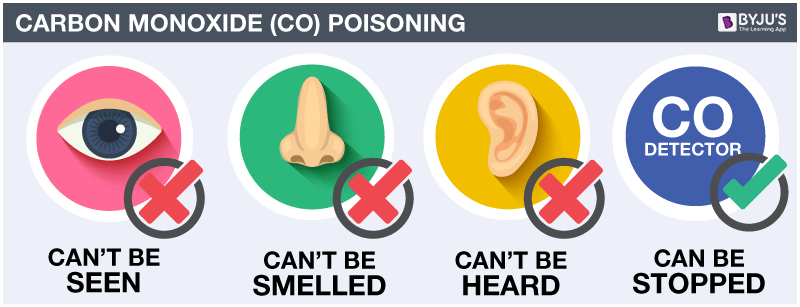
Imagine a gas you can't see. You can't smell it. You can't even taste it! That's carbon monoxide, or CO for short. It's often called the "silent killer."
This gas comes from things burning. Think of cars, furnaces, or gas stoves. When these don't work right, CO can build up. It becomes a real danger in enclosed spaces.
Must Read
Burning wood, charcoal, or propane can also produce it. Even small engines produce this deadly gas. It's everywhere, yet invisible.
So, About That Fever...
Now, to our big question! Does CO poisoning cause a fever? Most people think of fever as a sign of illness. It's often your body fighting off a germ or infection.
But with carbon monoxide, the situation is a bit different. A fever isn't usually a direct symptom. It's not what doctors expect to see first.
In fact, direct causation is extremely rare. The body's reaction to CO is unique. It's a chemical disruption, not typically an infection.
What Does CO Poisoning Feel Like?
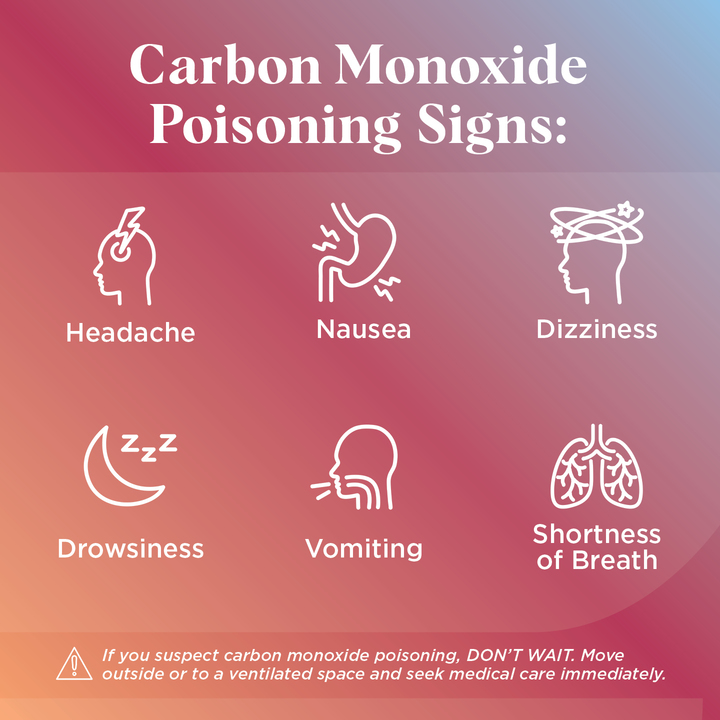
Instead of a fever, CO poisoning has its own set of clues. These are important to know. Symptoms can often feel a lot like the flu.
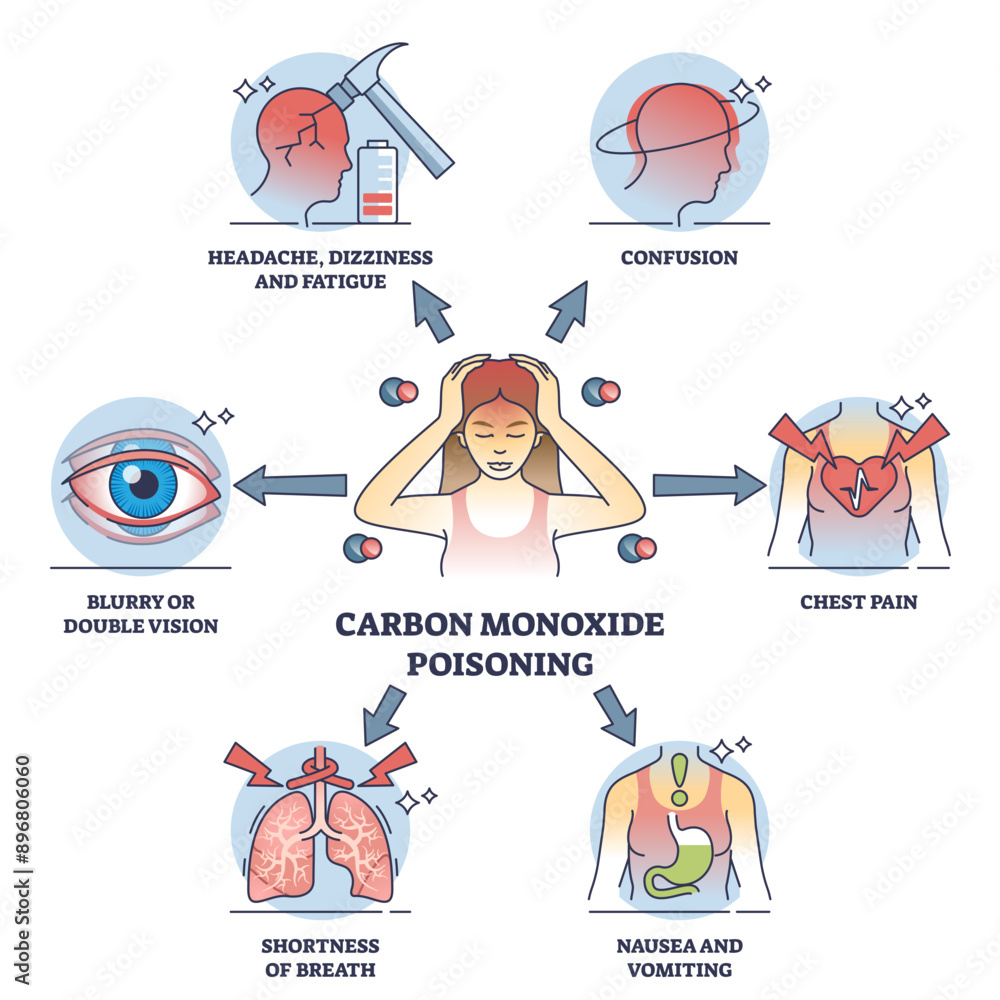
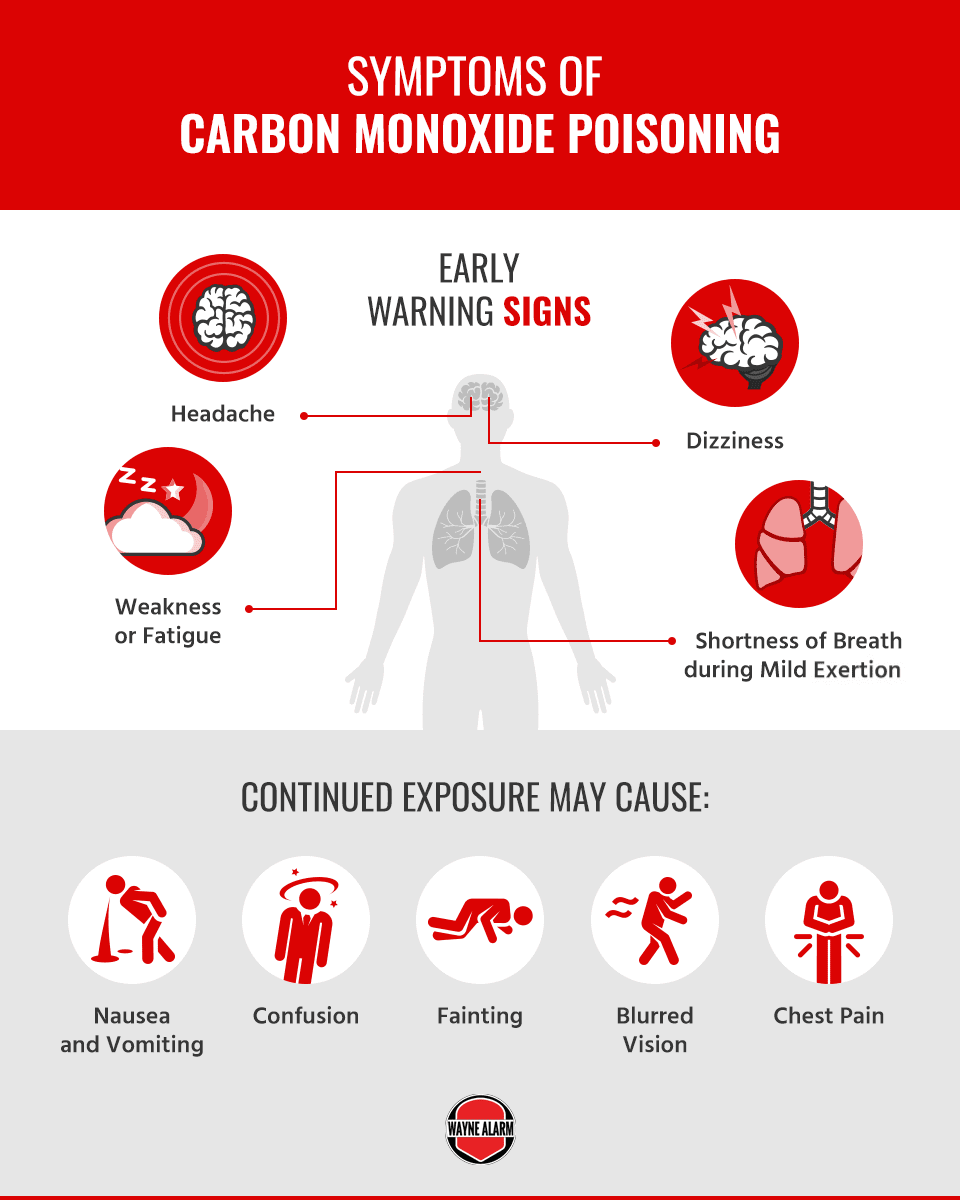
You might get a headache. This is a very common sign. Feeling dizzy is also typical. Some people feel nauseous or might even vomit.
Weakness is another big indicator. You might feel very tired without a clear reason. Confusion can also set in, making things even scarier.
Other signs include shortness of breath. You might also experience chest pain. Vision problems can occur in severe cases.
"The subtle signs of carbon monoxide can easily be mistaken for something else. Always be aware!"
Why Not a Fever? Understanding the Body's Reaction
Let's dive deeper into why fever isn't usually present. When you breathe in carbon monoxide, it enters your bloodstream. It loves to attach to your red blood cells.
In fact, CO loves them more than oxygen does! This means oxygen can't get to your organs. Your brain and heart suffer most.
A fever, on the other hand, is usually a specific immune response. Your body heats up to kill invaders. CO isn't an invader in that sense; it's a gas displacing oxygen.
So, your body doesn't trigger the "heat up and fight" mechanism. It's dealing with a different kind of crisis. It's struggling for vital oxygen.
The body's core temperature regulation system focuses on other threats. It's not designed to see CO as a fever-inducing pathogen. This is a key distinction to remember.
What About Feeling Chilly or Cold?
Interestingly, some severe cases of CO poisoning can actually lead to the opposite. Instead of a fever, body temperature might drop. This is called hypothermia.
If someone has been unconscious in a cold place due to CO, this is more likely. Their body simply can't regulate its temperature well. It's a very serious complication.
Lack of oxygen affects many bodily functions. Maintaining a stable body temperature is one of them. Thus, a drop in core temperature can occur.
Could There Be a Misunderstanding?
Sometimes, symptoms can be tricky. Flu-like symptoms often include feeling chilly and then hot. You might feel aches all over your body.
These feelings might seem like a fever is coming on. But when measured, your temperature might be normal. Or it could even be lower than usual.
It's easy to confuse these sensations. That's why a thermometer is key. Don't just guess; measure your temperature!
Imagine you're feeling really sick. You have a headache and feel weak. It's easy to assume you have the flu.
But if there's a CO source nearby, it could be CO poisoning. This is why awareness is so crucial. Always consider the environment.
Are others in your household feeling sick too? This is a big clue for CO exposure. Often, multiple people get sick at once.
Rare Cases and Secondary Issues
Could a fever ever happen? Perhaps, but it's very rare as a direct symptom. If a fever does appear, it's usually for another reason. It might be a secondary infection.
For instance, being weakened by CO poisoning could make you more prone to illness. Your immune system might not be at its best. Then, a common cold or flu could set in later.
Also, sometimes medical complications can arise. These might involve inflammation in the body. But again, this is not the typical immediate response.
It's important to differentiate. Is it the carbon monoxide causing the fever? Or is something else going on at the same time?
Never assume it's just a regular cold. Always consider CO exposure if symptoms appear rapidly. Especially if they improve when you leave the building.
"When in doubt about any unusual symptoms, especially concerning a potential CO exposure, always seek medical help immediately."
The Importance of Knowing the Right Symptoms
So, we've learned that fever isn't a primary sign. This knowledge is very powerful. It helps us look for the real danger signs.
Recognizing headaches, dizziness, and weakness is vital. These are the true red flags. They tell us something is seriously wrong.
Knowing what to look for can save lives. It means getting help fast. Every second counts with carbon monoxide.

Being informed is your first line of defense. Don't let the silent killer catch you off guard. Your proactive knowledge makes a difference.
Protecting Yourself and Your Loved Ones
This fascinating dive into body reactions has a serious takeaway. Prevention is always best. You can protect yourself from CO poisoning.
Install carbon monoxide detectors in your home. These are like smoke detectors, but for CO. They are truly life-savers.
Place them near sleeping areas. Also, install one on each floor of your home. Test them regularly, just like smoke alarms.
Check your fuel-burning appliances regularly. Have a professional inspect your furnace and water heater. Make sure they are vented correctly.
Never use a grill indoors. Don't run a car in an enclosed garage. These seem obvious, but mistakes can happen.
Ensure proper ventilation for all appliances. Clear snow from outdoor vents. Small steps can prevent big tragedies.
"Safety first! A CO detector is your home's best friend against the invisible threat."
Wrapping Up Our Curious Case
So, to recap our investigation: Does carbon monoxide poisoning cause a fever? Generally, no, it doesn't directly.
Instead, it causes symptoms like headaches and dizziness. Sometimes, it can even lower body temperature. Fever is usually a sign of something else.
Isn't it amazing how our bodies work? And how knowing the specifics can be so important? It helps us understand dangers better.
Stay curious! Keep asking questions about health. And always prioritize safety. Your well-being is precious.
This journey into CO symptoms has shown us something vital. The body's signals are complex. But with a little learning, we can decode them.
So next time you hear about strange symptoms, remember this. Always seek accurate information. It can make all the difference.
Keep those CO detectors beeping. Stay safe and informed. And keep exploring the wonders of human health!
Our body is a marvel. It sends us signals. Learning to read them is key.
Carbon monoxide is a serious topic. But understanding its effects doesn't have to be scary. It can be an empowering journey of knowledge.
You are now a little more informed. You know what to watch out for. And that is a wonderful thing!
Share this knowledge with friends and family. Spread awareness. It could help someone else stay safe too.
Never underestimate the power of knowledge. Especially when it comes to health. It's truly priceless.
So, no, typically no fever with CO poisoning. But plenty of other serious signs. And now you know!