
Can Ac Units Produce Carbon Monoxide

Ah, summer! That glorious season of sunshine, popsicles, and — let's be real — the sweet, sweet hum of the air conditioner. There's nothing quite like stepping into a perfectly chilled sanctuary after battling the sweltering heat. But amidst all that cool comfort, a little whisper of worry sometimes creeps in: “Can my AC unit produce carbon monoxide?” It’s a valid question, especially given how much we rely on these modern marvels for our indoor climate control. Let’s unravel this mystery with a dash of info and a sprinkle of peace of mind.
The Big Chill vs. The Silent Killer: Are They Connected?
First things first, let's cut to the chase: your standard, run-of-the-mill air conditioning unit, whether it's a window unit, a portable one, or a central AC system, does not produce carbon monoxide. Phew! That's a huge sigh of relief, right? Your AC's job is to cool your space by moving heat and humidity out, using refrigerants and electricity. It’s a purely physical process, not a chemical one involving combustion.
Think of it like this: your refrigerator keeps your food cool, but you wouldn’t expect it to emit exhaust fumes. Similarly, an AC unit is all about chilling things out, not burning fuel.
Must Read
So, Where Does Carbon Monoxide Come From Then?
This is where things get a tiny bit nuanced. Carbon monoxide (CO) is a colorless, odorless, and tasteless gas. It's often dubbed the “silent killer” because you can't detect it with your senses. CO is a byproduct of incomplete combustion. What does that mean? Basically, anything that burns fuel – like natural gas, propane, gasoline, charcoal, or wood – has the potential to produce CO if it's not burning efficiently or if its exhaust isn't properly vented.
Here are the usual suspects when it comes to CO production in and around your home:
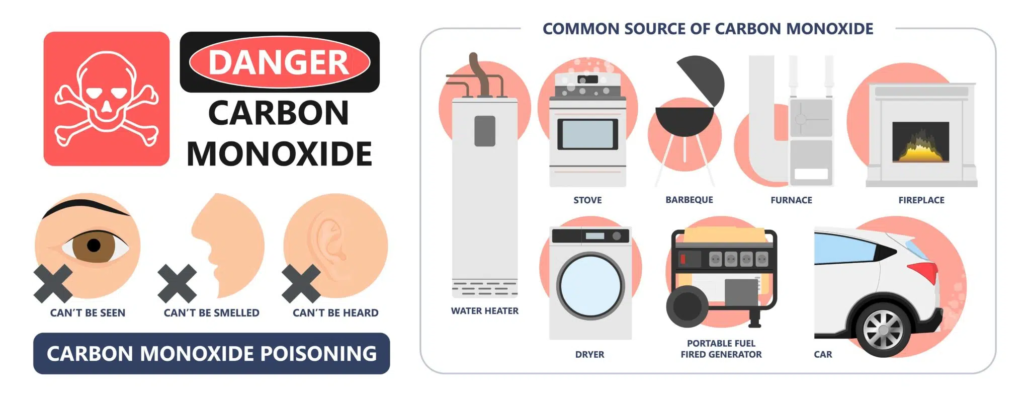
- Furnaces or Boilers: Especially if they're older, poorly maintained, or have a cracked heat exchanger.
- Gas Water Heaters: Again, maintenance is key.
- Gas Stoves and Ovens: Ensure proper ventilation.
- Fireplaces and Wood Stoves: Always use proper flues and make sure they're clear.
- Gas Clothes Dryers.
- Automobiles: Never run a car in an enclosed garage.
- Portable Generators: A big one, especially during power outages. These should always be operated outdoors and far away from windows and doors.
- Charcoal Grills or Hibachis: For outdoor use only, folks!
Notice a common thread? They all involve some form of fuel burning. Your AC unit, however, runs on electricity and circulates refrigerant. No flames, no combustion, no CO production from the unit itself.
The HVAC Connection: A Little Clarification
Okay, but what about "HVAC systems"? Sometimes, AC units and furnaces are part of the same central HVAC (Heating, Ventilation, and Air Conditioning) system. While they share ductwork and a thermostat, they are distinct components. The heating part of your HVAC — the furnace or boiler — is the one that uses combustion (usually natural gas or oil) and can produce CO. The cooling part, the AC, still doesn't. It’s like having a car with both heating and AC; the engine (combustion) is separate from the AC compressor (cooling).

Practical Tips for a CO-Safe and Chill Home
Even though your AC is innocent in the CO game, a CO-safe home is a happy home. Here are some quick, actionable tips:
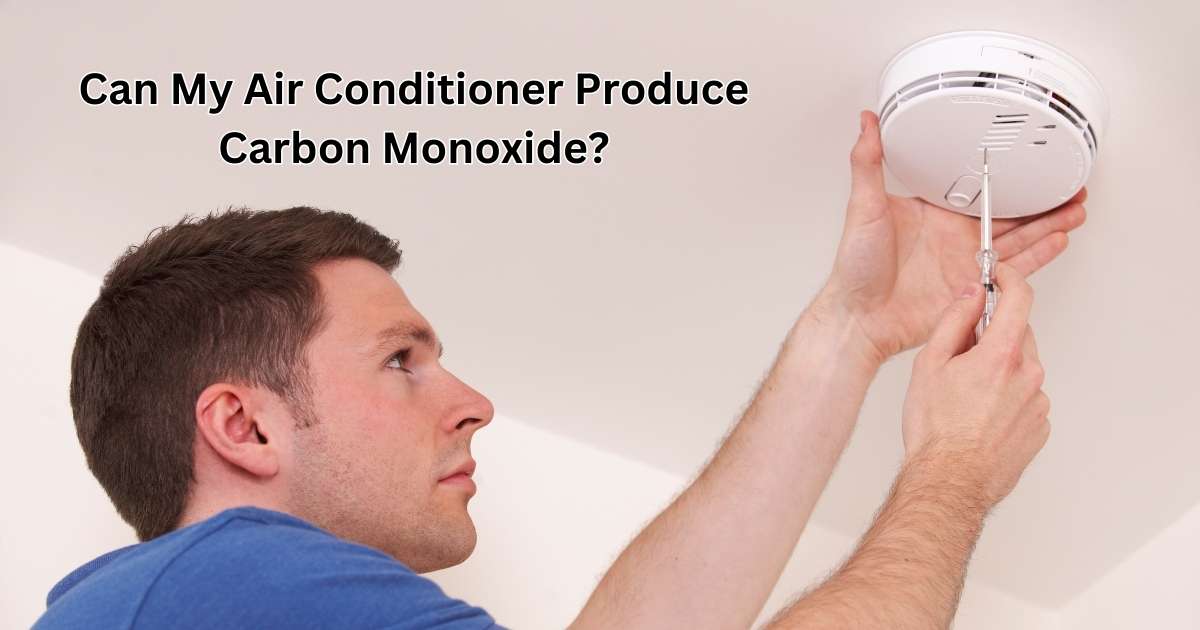
1. Install Carbon Monoxide Detectors: This is non-negotiable, folks! Think of them as the superheroes of home safety. Place them near sleeping areas and on every level of your home. Test them monthly, just like your smoke detectors, and replace batteries annually (or follow manufacturer guidelines for unit replacement, typically every 5-7 years).
2. Get Annual Maintenance: Have a qualified HVAC technician inspect your furnace, water heater, and other fuel-burning appliances every year. They'll check for proper ventilation, cracks, and efficient operation. This is crucial not just for safety but also for efficiency – saving you money!
3. Use Generators Safely: Power outage? Generators are lifesavers, but they're also major CO producers. Always operate them outdoors, at least 20 feet away from your home, and never near windows, doors, or vents.
4. Clear Vents and Chimneys: Make sure vents for your dryer, furnace, and water heater aren't blocked by snow, leaves, or anything else. Keep your fireplace chimney clean too.
5. Never Use Gas Appliances for Heat: Do not use a gas oven or range top to heat your home. It’s incredibly dangerous and a common cause of CO poisoning.
A Little History Nugget!
Did you know that modern air conditioning as we know it was invented by Willis Carrier in 1902? Originally, it was for industrial purposes to control humidity in a printing plant, not for human comfort. The idea of widespread residential AC only really took off after World War II, completely revolutionizing architecture and allowing cities to boom in warmer climates. Talk about a cool innovation!
Breathe Easy, Live Comfortably
So, the next time you're luxuriating in the crisp, cool air provided by your trusty AC, you can breathe a little easier knowing it's not secretly cooking up carbon monoxide. Your AC is simply doing its job: making your home a comfortable oasis. The key to true peace of mind lies in being proactive about all your home's systems, especially those that involve combustion. A little vigilance, a few detectors, and regular maintenance go a long way in ensuring your dwelling remains a safe, chill, and happy place for you and your loved ones. Stay cool, stay safe!