Can A Woman Be A Pararescue

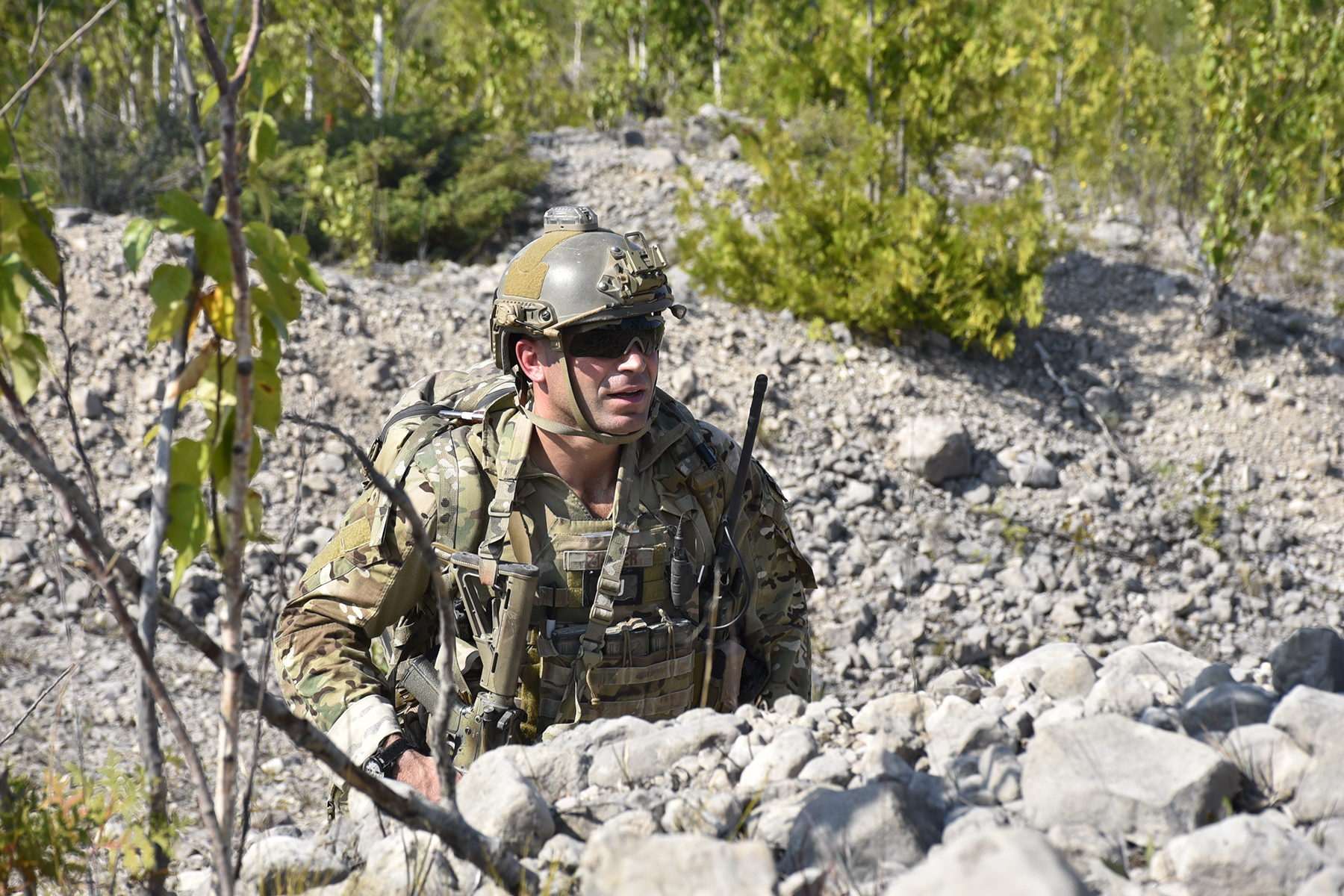
Okay, let's talk about something seriously cool: Pararescue. You know, those brave souls who jump out of helicopters, rappel down cliffs, and swim through raging rivers to rescue people in the stickiest situations? The ones who make you go, "Wow, I hope I never need them, but if I do, I'm glad they exist!"
And the question on the table is: Can a woman be a Pararescueman (PJ)?
The answer? A resounding, full-throated YES!
Must Read
Think of it this way. Remember that time you helped your friend move, and you were carrying that ridiculously heavy box labeled "Books"? It took teamwork, right? Strength, strategy, and a whole lot of "Okay, on three!" Pararescue is the same principle, just amped up to eleven. It's about skills, training, and unwavering dedication, not just sheer muscle mass.
Skills Matter, Not Just Stereotypes
For years, certain military roles were closed off to women, often based on outdated assumptions about physical capabilities. But let's be real. Those assumptions are… well, like thinking dial-up internet is still a viable option. Things have changed!
Pararescue is incredibly demanding. It requires a unique blend of:
- Physical prowess: Yes, PJs need to be strong, able to swim long distances, and endure tough conditions. But it's not just about bench-pressing a car.
- Medical expertise: These folks are often the first on the scene, providing life-saving medical care under pressure.
- Mental fortitude: Imagine staying calm and focused while dangling from a helicopter, treating an injured climber in a blizzard. That's mental toughness!
- Problem-solving skills: Every rescue is different, requiring quick thinking and adaptability.
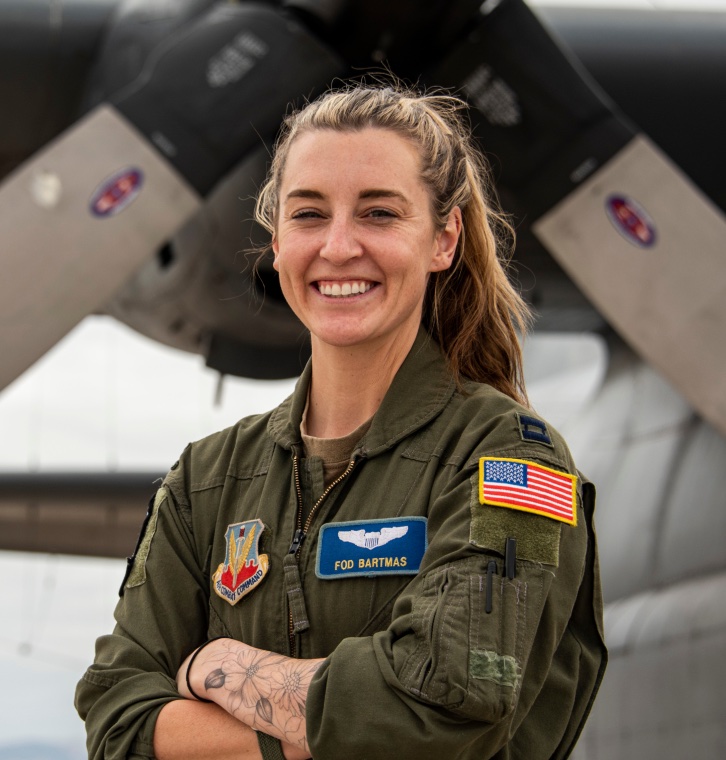
Women are proving they have all of these qualities, and then some. They train hard, push their limits, and demonstrate the same dedication and competence as their male counterparts. Think of it like a marathon. It’s not about who looks like a marathon runner; it’s about who puts in the training and finishes the race.
There have been women that have served in Pararescue, blazing the trail for future generations. These are not exceptions to the rule; these are the new standard.

Why Should You Care?
Okay, maybe you're not planning on joining the Air Force anytime soon. But why should you care about whether women can be PJs? Here’s why:
- Fairness: It’s about giving everyone a fair shot. If someone meets the standards, they should have the opportunity, regardless of their gender. Imagine being told you can't pursue your dream job just because of who you are. That's not cool.
- Better Outcomes: A diverse team brings different perspectives and strengths to the table. More perspectives means more creative solutions, and ultimately, more lives saved. Think of it like baking a cake. Everyone has a different recipe or technique to bring to the table. All of them contribute in the final product.
- Inspiration: Seeing women excel in traditionally male-dominated fields inspires future generations. It tells young girls (and boys!) that anything is possible.
Think of the emergency room. Would you care if the doctor saving your life was a man or a woman? Of course not! You just want someone competent and skilled. Pararescue is the same principle.

A woman's ability to serve in the Pararescue community has long been questioned, but the times have changed. Gender has no weight on the potential to be a high-performing individual. Women can serve as Pararescue personnel and the performance will continue to prove that they can.
So, the next time you hear about Pararescue, remember it's not just about strength and brawn. It’s about skill, dedication, and a whole lot of heart. And women have proven time and time again that they have what it takes.
It's a win-win for everyone.