
Business Ethics Meaning And Importance
Okay, gather 'round, folks! Let's talk about business ethics. Now, I know what you're thinking: "Ethics? Sounds boring! Like a mandatory seminar where you learn how to properly fold fitted sheets." But trust me, it's way more exciting (and arguably more useful) than that. Think of it as the superhero cape for your company, but instead of flying, it helps you avoid lawsuits and keeps your reputation squeaky clean.
So, what is business ethics, anyway? Simply put, it's a set of moral principles that guide how a company operates. It's about doing the right thing, even when nobody's looking. It's about not selling exploding staplers just because they're cheap to make (yes, that's an exaggeration...mostly).
The "Golden Rule" and Other Deep Thoughts
Remember the Golden Rule from kindergarten? "Do unto others as you would have them do unto you." Turns out, it applies to business too! Who knew? Treat your customers, employees, and even your competitors with respect. Don't cheat them, lie to them, or secretly replace their coffee with decaf (unless they really deserve it, I'm kidding… mostly).
Must Read
Business ethics also involves things like being honest in your advertising (no claiming your energy drink gives you the power to fly), paying your taxes (unless you find a really good loophole... just kidding... mostly!), and treating your employees fairly (benefits, decent pay, and maybe a casual Friday or two).
Why Bother? The "Karma's a B..." Factor
Okay, so why should companies even bother with this whole "ethics" thing? Why not just cut corners, maximize profits, and leave a trail of disgruntled customers in their wake? Well, for starters, it's good for business! Believe it or not, ethical companies tend to be more successful in the long run. Who would have thought that being a decent human being could actually pay off?

Think about it: customers are more likely to buy from companies they trust. Employees are more likely to be loyal to companies that treat them well. And investors are more likely to invest in companies with a strong ethical reputation. It's a win-win-win! Or, as they say in business school, a "synergistic triple-threat of ethical awesomeness."
Plus, there's the whole karma thing. If you treat people badly, it's going to come back to bite you. Maybe not today, maybe not tomorrow, but eventually, you'll end up with a PR disaster, a class-action lawsuit, or worse... your competitors will start selling non-exploding staplers!
Ethics in Action: Real-World Examples (and near misses)
Let’s talk practical: Say you discover a flaw in your product that could potentially cause minor inconveniences, like making someone's socks slightly damp on a rainy day. Do you:
- Ignore it and hope nobody notices?
- Quietly fix it without informing anyone?
- Issue a recall, offer a full refund, and maybe throw in a free pair of fuzzy slippers for the inconvenience?
The ethical choice is, obviously, option three. Sure, it'll cost you some money, but it'll also earn you customer loyalty and a reputation for being a company that cares. Option one? That's a one-way ticket to lawsuit city. Option two? Ethical grey area, still risky, plus you deprive someone of the joy of fuzzy slippers.

On the flip side, consider a company that drastically overcharges for life-saving medication, knowing people will pay whatever it takes. Unethical, right? Absolutely! And eventually, the public backlash will be fierce. Remember, transparency is key. Hidden wrongdoings almost always surface eventually.
Building an Ethical Culture: From the Top Down
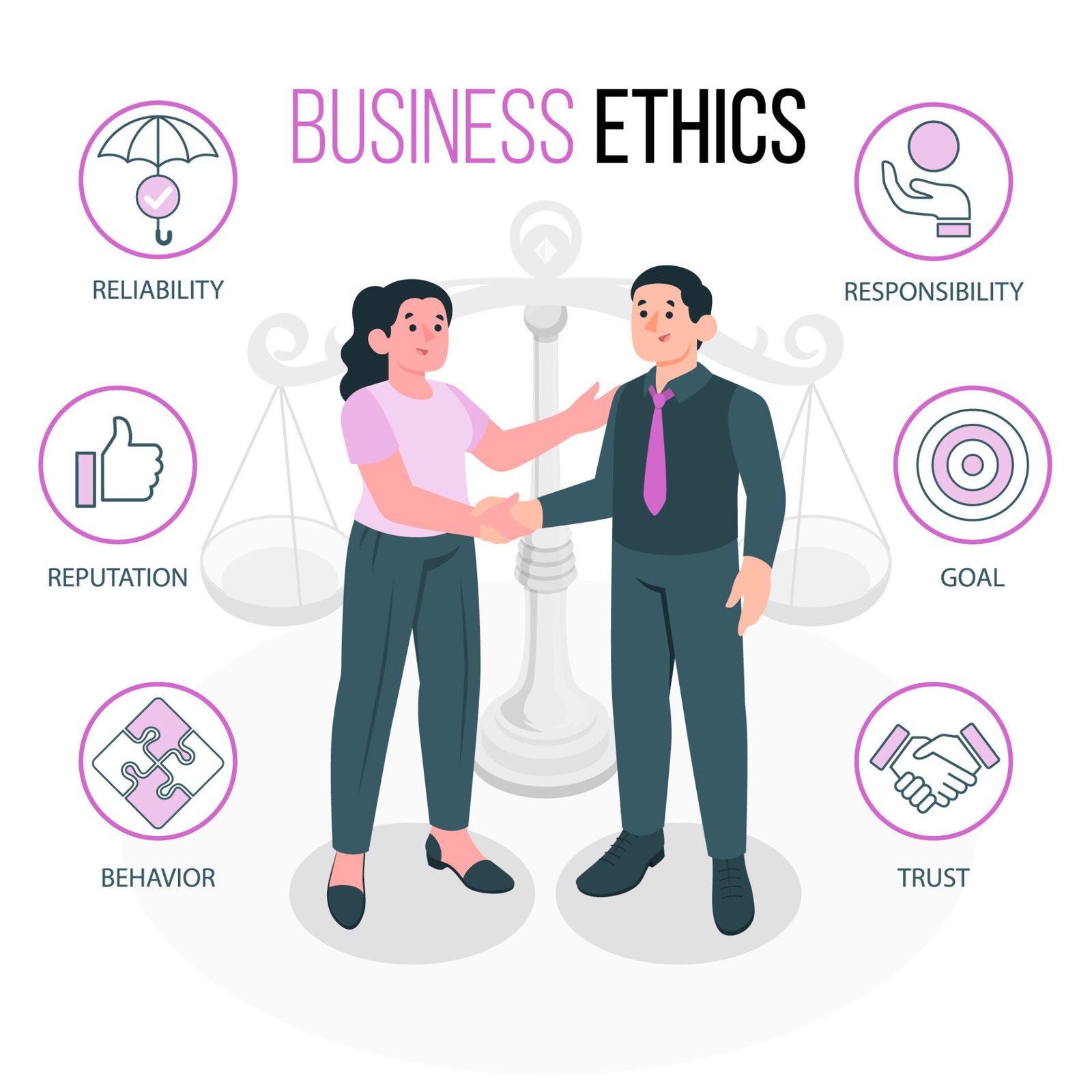
Ethical behavior starts at the top. If the CEO is constantly cutting corners and engaging in shady dealings, that sends a message to the rest of the company. On the other hand, if the CEO is committed to ethical behavior, that sets a positive example for everyone else.

It's important to have a clear code of ethics, training programs, and reporting mechanisms so that employees know what's expected of them and have a way to report wrongdoing. And it's equally important to take those reports seriously. Don't just brush them under the rug and hope they go away. Investigate them thoroughly and take appropriate action.
Think of it like this: ethical business practices are like brushing your teeth. It might seem like a chore at the time, but it prevents cavities, bad breath, and expensive dental bills down the road. And nobody wants to deal with those, right? So, be ethical, be awesome, and keep those business practices sparkling!
So next time you're faced with an ethical dilemma, ask yourself: "What would Captain America do?" Okay, maybe not. But definitely think about the consequences of your actions and choose the path that's fair, honest, and responsible. Your company (and your conscience) will thank you for it.