
Bundle Of Nerve Processes Inside The Cns

Ever wondered how you can instantly pull your hand away from a hot stove? Or how you manage to walk and chew gum at the same time (though, let’s be honest, sometimes that gum ends up on the sidewalk!)? A big part of that magic is thanks to these incredibly important things inside your Central Nervous System (CNS) called nerve processes. Think of them as super-efficient messengers, constantly buzzing back and forth to keep you functioning.
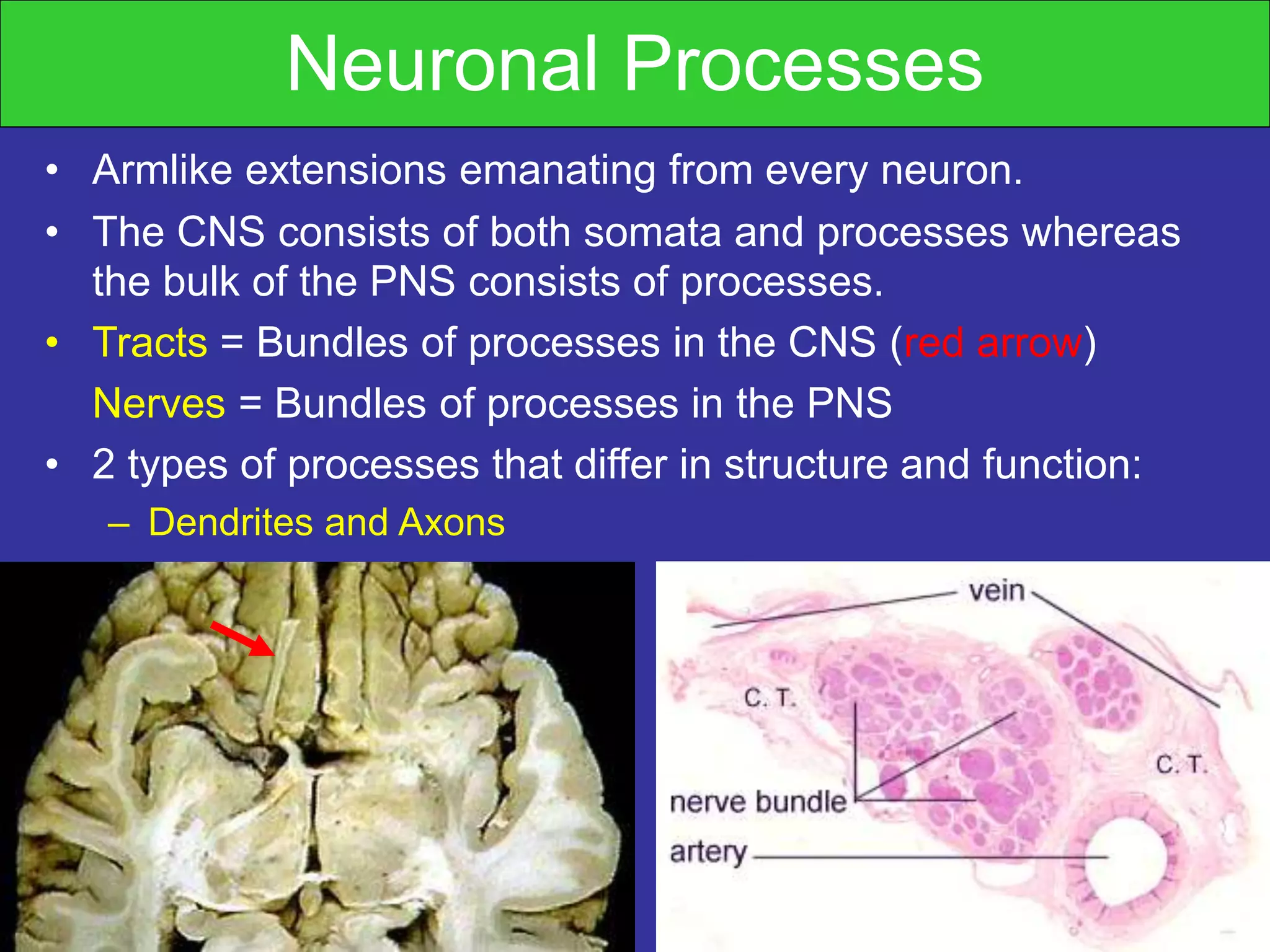
Now, "nerve processes" sounds pretty technical, right? Let's break it down. Imagine your CNS – that's your brain and spinal cord – as Grand Central Station, a bustling hub of activity. The nerve processes are like the train tracks and the trains themselves, carrying vital information all over the place. They're the physical pathways and the method of transport for electrical and chemical signals that allow your brain to communicate with the rest of your body.
What Exactly Are These Nerve Processes?
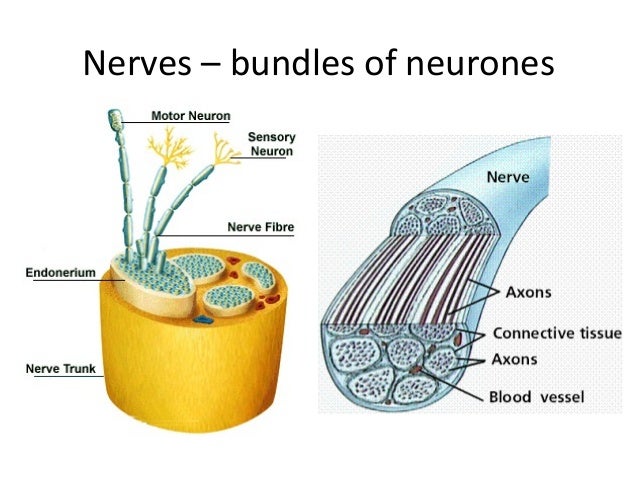
In simple terms, nerve processes are extensions from nerve cells (also known as neurons). There are two main types: axons and dendrites. Think of dendrites as the “listeners.” They receive messages from other nerve cells. They are like the antennae of a radio, constantly picking up signals. Axons, on the other hand, are the “talkers.” They transmit messages to other nerve cells, muscles, or glands. Imagine them as the loudspeaker, broadcasting the important information.
Must Read
So, a nerve cell receives information through its dendrites, processes it, and then sends a message along its axon to the next nerve cell (or muscle, or gland, etc.). This chain reaction, happening millions of times per second, is what allows us to do everything from wiggling our toes to solving complex math problems.
Why Should You Care? (It's Actually Pretty Cool!)
Okay, you might be thinking, "That's interesting, but why does this matter to me?" Well, these nerve processes are fundamental to everything you do. Seriously, everything! Let's look at a few examples:

Feeling Pain: Remember that hot stove? When your skin senses the heat, special sensory receptors send a message along nerve processes to your spinal cord and then to your brain. Your brain interprets this signal as "Ouch! That's hot!" and sends a message back down through other nerve processes to tell your muscles to pull your hand away. It all happens in a fraction of a second – all thanks to these amazing nerve processes!
Learning New Skills: When you're learning to play the piano, ride a bike, or even just type on a keyboard, your brain is constantly creating new connections between nerve cells. The more you practice, the stronger these connections become, and the faster and more efficient your nerve processes become at transmitting the necessary signals. That's why practice makes perfect!
Controlling Movement: Whether you're running a marathon or simply reaching for a cup of coffee, your nerve processes are constantly firing, sending instructions to your muscles. They coordinate the complex sequences of muscle contractions that allow you to move smoothly and efficiently. It's a symphony of signals, orchestrated by your nervous system.
Taking Care of Your Nerve Processes
So, how do you keep these vital messengers healthy and happy? Luckily, the answer is pretty straightforward. A healthy lifestyle is key!
Eat Well: Just like any other part of your body, your nervous system needs proper nutrition to function optimally. A balanced diet rich in fruits, vegetables, and healthy fats provides the essential nutrients that nerve cells need to thrive.
Get Enough Sleep: Sleep is crucial for allowing your brain to repair and rejuvenate itself. When you sleep, your brain clears out toxins and strengthens the connections between nerve cells.
Manage Stress: Chronic stress can damage nerve cells and impair their ability to function properly. Find healthy ways to manage stress, such as exercise, meditation, or spending time in nature. Think of it as giving your "Grand Central Station" a little downtime to avoid a system overload.
Exercise Regularly: Exercise not only improves your physical health but also benefits your brain. It increases blood flow to the brain and stimulates the growth of new nerve cells.
In conclusion, nerve processes within the CNS are the unsung heroes of our daily lives. They allow us to experience the world, learn new things, and move with grace and precision. By taking care of our overall health, we can ensure that these vital messengers continue to function optimally, keeping us healthy, happy, and fully engaged in life. Now go forth and appreciate the amazing network buzzing within you!