Both Liver Cells And Lens Cells
Have you ever stopped to think about the unsung heroes working tirelessly within you, keeping you alive and able to read this very sentence? Probably not! We tend to take our bodies for granted, focusing on what we can see and feel. But let's take a fascinating detour into the microscopic world, exploring two remarkable cell types: liver cells and lens cells. While vastly different in their roles, they’re both essential for a healthy and functional life.
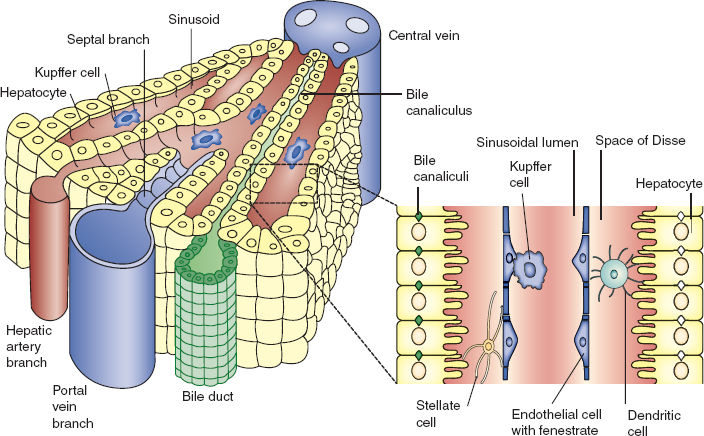
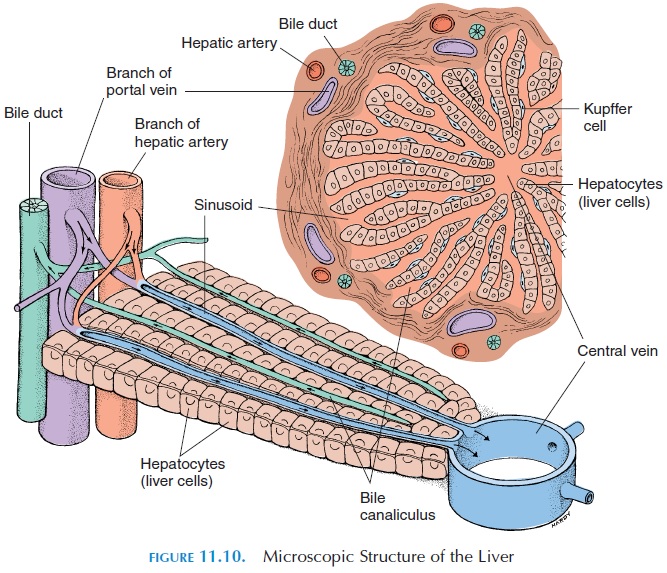
Think about it: enjoying a delicious meal, processing medications, seeing the vibrant colors of a sunset – all these experiences depend on the proper functioning of these cells. The liver, a powerhouse organ, relies on its cells (hepatocytes) to perform hundreds of crucial functions. They filter toxins from your blood, produce bile for digestion, store energy, and synthesize proteins. Without healthy liver cells, we'd be in serious trouble! And the lens in your eye, a marvel of biological engineering, is made up of specialized lens cells that are perfectly transparent and precisely shaped to focus light onto your retina. This allows you to see clearly, enabling you to navigate the world, read your favorite books, and recognize loved ones.
So, how do these cells impact our everyday lives? Well, when your liver cells are working optimally, you feel energetic, digest food properly, and your body effectively eliminates harmful substances. Issues with liver function can manifest as fatigue, jaundice, and digestive problems. On the other hand, healthy lens cells mean clear vision. As we age, lens cells can become damaged, leading to cataracts, a common condition where the lens becomes cloudy, blurring vision. Think of situations where clear vision is paramount: driving a car, playing sports, or even just reading a recipe while cooking.
Must Read
You might be wondering, "What can I do to appreciate and support these amazing cells?" For your liver cells, the key is a healthy lifestyle. This means:
- Moderating alcohol consumption: Excessive alcohol can damage liver cells.
- Eating a balanced diet: Focus on fruits, vegetables, and whole grains. Avoid processed foods and excessive sugar.
- Staying hydrated: Water helps flush out toxins and supports liver function.
- Maintaining a healthy weight: Obesity can lead to non-alcoholic fatty liver disease.

For your lens cells, protection is crucial:
- Wear sunglasses: UV radiation can damage lens cells and increase the risk of cataracts.
- Get regular eye exams: Early detection of eye problems allows for timely treatment.
- Maintain a healthy lifestyle: Conditions like diabetes can increase the risk of cataracts.
- Consider a diet rich in antioxidants: Foods like leafy green vegetables and berries may help protect against oxidative stress that can damage lens cells.
By understanding the crucial roles of liver and lens cells, and by adopting healthy habits, we can actively support their function and enjoy a healthier, more vibrant life. So, the next time you savor a delicious meal or admire a beautiful view, remember the tiny but mighty cells working hard to make it all possible! It's a microscopic symphony playing within us, deserving of our attention and care.