
Blood-brain Barrier Closes At What Age

Okay, so picture this: I’m at my local coffee shop, drowning my sorrows in a lukewarm latte (don’t judge, they were out of oat milk again). Suddenly, my friend Brenda, bless her heart, starts going on about the blood-brain barrier. Now, Brenda isn't a neuroscientist. She sells artisanal dog sweaters. But hey, everyone's gotta have a hobby, right?
“It’s like, a bouncer for your brain, man!” she exclaims, nearly knocking over my latte. “And it closes at some age, and then BAM! You’re extra susceptible to brain farts and…and… dementia!”
Naturally, I choked on my latte. Dementia? At my age? I’m too young to be geriatric! (Even if I do occasionally forget where I parked my car… or what my own address is…). So, being the diligent friend (and slightly panicked human being) that I am, I decided to investigate this whole blood-brain barrier business. Get ready for some surprisingly funny science, folks!
Must Read
The Blood-Brain Barrier: Your Brain’s Personal VIP Security
Think of your brain as the ultimate VIP lounge, where only the coolest, most essential nutrients are allowed entry. The blood-brain barrier (BBB) is the burly bouncer standing at the velvet rope, deciding who gets past. It’s not a single wall, mind you, but a complex network of tightly packed cells lining the blood vessels in your brain. These cells are so close together, they practically hold hands and gossip about who’s trying to sneak in.
Its main job? To protect your precious gray matter from all the nasty things floating around in your bloodstream: toxins, bacteria, viruses… and Brenda’s questionable fashion advice. (Okay, maybe not that last one, but you get the idea).
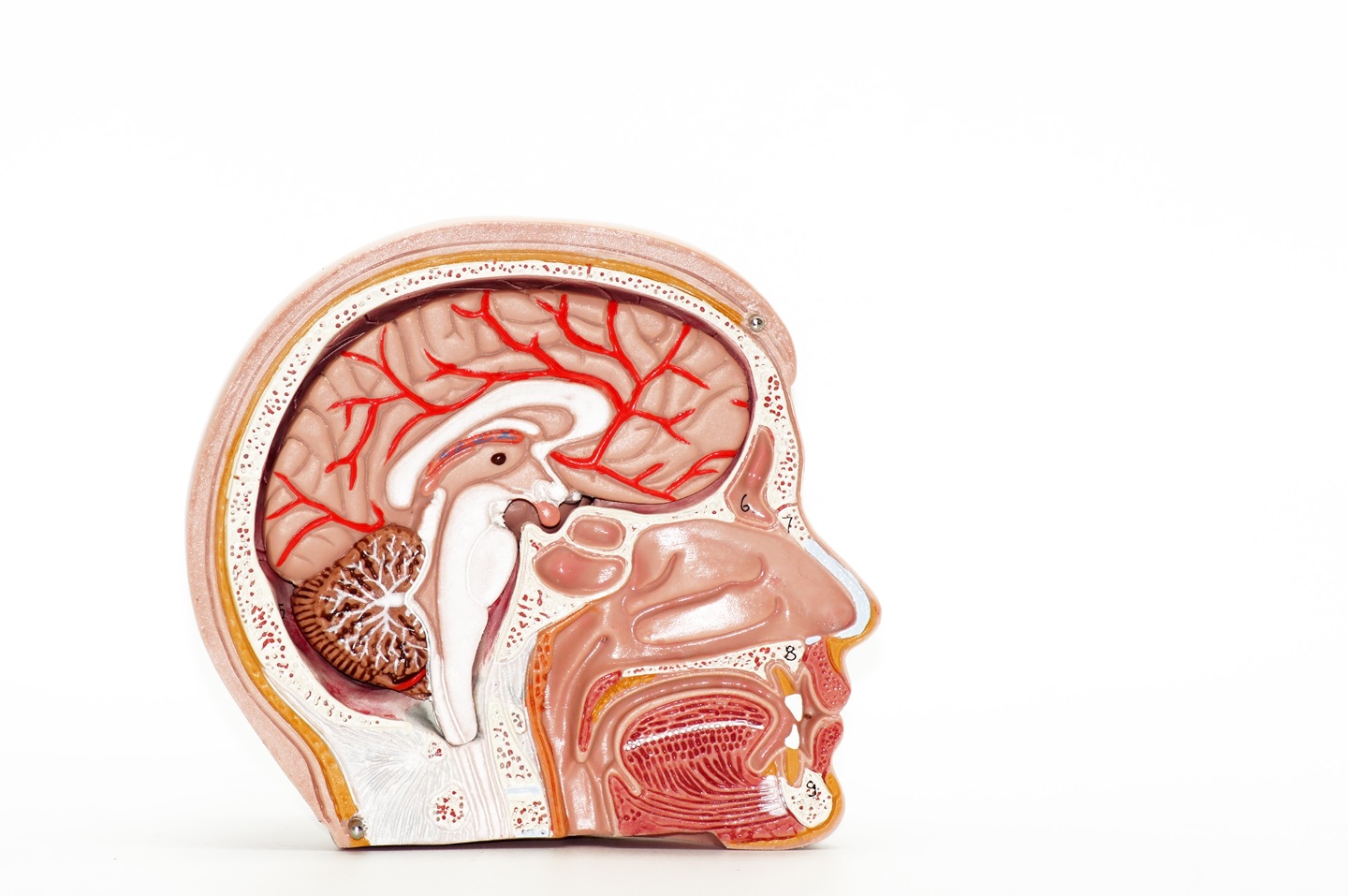
Basically, it’s the reason you don’t get brain infections every time you eat a questionable gas station hot dog. You’re welcome.
So, When Does This Bouncer Clock Out for the Night? (Or, Does the BBB Actually "Close"?)
This is where things get interesting. And by "interesting," I mean "slightly less terrifying than Brenda made it sound." The blood-brain barrier doesn't exactly "close" at a certain age like a poorly run nightclub. It's not like you hit 60 and suddenly the barrier bursts open, and every rogue molecule throws a rave in your brain.

Instead, it’s more accurate to say that the efficiency of the blood-brain barrier can change with age and due to various health conditions. It's like the bouncer has been working double shifts for 50 years and is starting to get a little lax about checking IDs. He might let in a few unsavory characters he wouldn't have allowed in his prime.
This decline in efficiency can make the brain more vulnerable to inflammation, oxidative stress, and the accumulation of harmful substances. All of which, in turn, can contribute to the development of age-related neurological disorders like Alzheimer's and Parkinson's disease. But, deep breaths, it's not a guarantee!
Think of it this way: Your car's air filter. It works great when new, but after a few years, it gets clogged with dust and debris. It's still there, but it's not doing its job as effectively. The BBB is similar; it's still functioning, but its protective abilities might be diminished.

Factors That Can Affect the BBB: It's Not Just About Age, Baby!
Age is definitely a factor, but it’s not the only one. Many other things can influence the integrity of your blood-brain barrier, including:
- Inflammation: Chronic inflammation, whether from autoimmune diseases, infections, or a diet heavy in processed foods (looking at you, Brenda's deep-fried dog treats!), can weaken the BBB.
- High Blood Pressure: Hypertension can damage the blood vessels in the brain, making them more leaky.
- Diabetes: Uncontrolled blood sugar levels can also harm the BBB.
- Traumatic Brain Injury (TBI): Concussions and other brain injuries can disrupt the BBB.
- Stroke: A stroke can cause significant damage to the BBB.
So, if you're worried about your brain's VIP lounge, focus on maintaining a healthy lifestyle: eat well, exercise regularly, manage your stress, and wear a helmet when skateboarding (or, you know, doing whatever it is that makes you prone to head injuries).

The Good News: You're Not Helpless! (Unless You're Actually a Dog Wearing a Sweater)
The great thing is, there’s a lot you can do to protect your blood-brain barrier and keep that bouncer in tip-top shape. Some promising research is exploring ways to strengthen the BBB through diet, lifestyle changes, and even targeted therapies. For example, certain nutrients like omega-3 fatty acids and antioxidants may help support BBB function.
So, while Brenda's initial statement was… a tad dramatic… it did get me thinking. We should all be more aware of our brain health, and the blood-brain barrier is a crucial part of that. Just remember, it's not a door that slams shut; it's more like a sophisticated security system that requires regular maintenance.
Now, if you'll excuse me, I'm off to buy some omega-3 supplements and maybe invest in a helmet. You know, just in case Brenda's dog sweater fashion show gets out of hand.