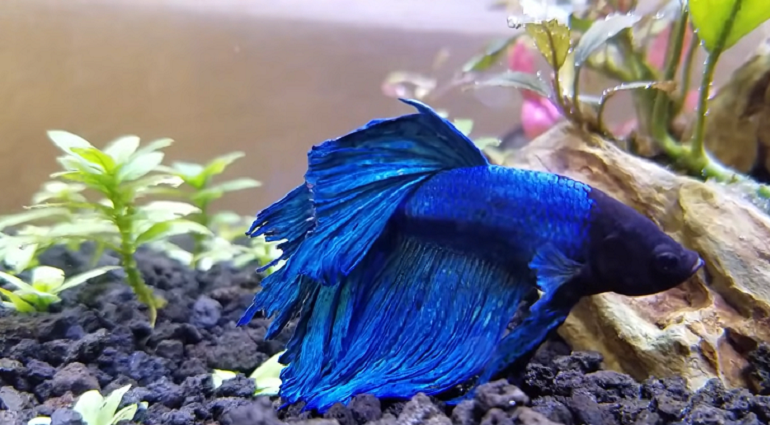
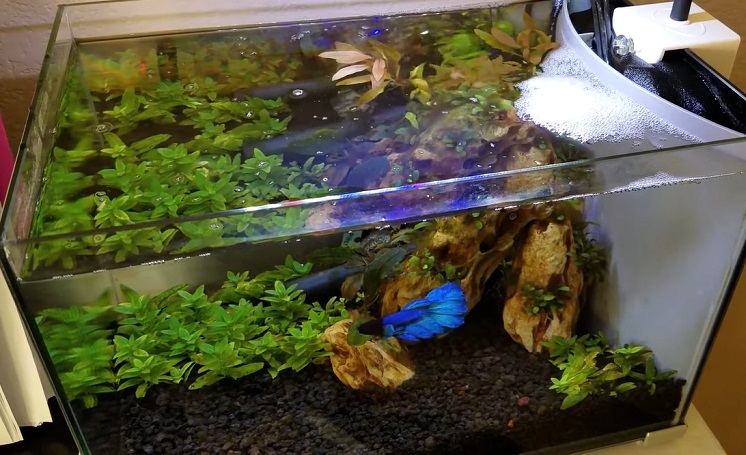
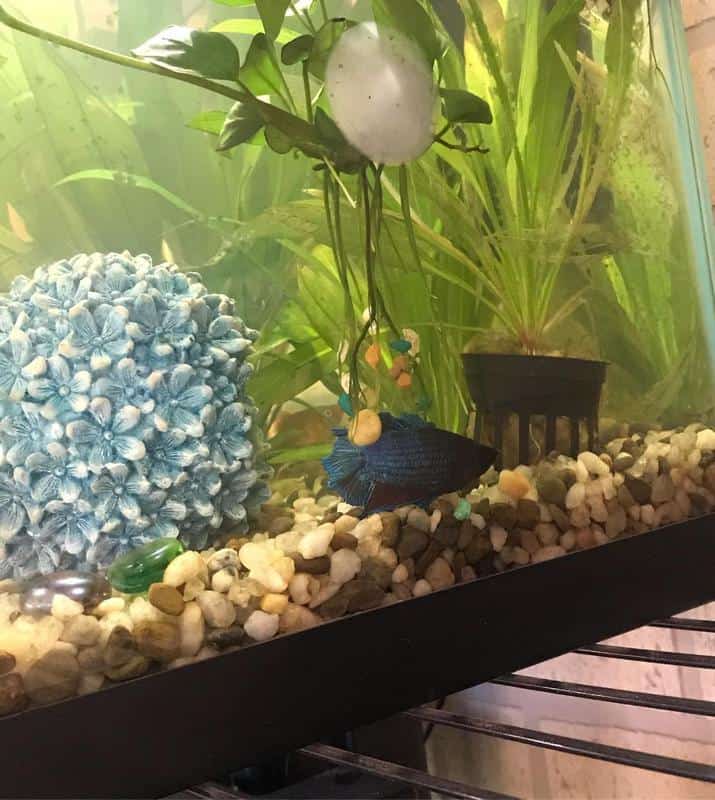
Betta Laying On Bottom Of Tank
Have you ever kept a Betta fish, those shimmering jewels of the aquarium world? They're captivating to watch, flitting around with their flowing fins. But what happens when your Betta, usually so active, starts spending a lot of time laying on the bottom of the tank? It's a sight that can trigger instant worry in any fish owner. Understanding why this happens is crucial for keeping your Betta happy and healthy, and it’s surprisingly fascinating to learn about the potential reasons behind this behavior. Let's dive in!
A Betta lounging on the substrate isn't always a cause for alarm. Think of it as a quick nap, a way for them to conserve energy. In the wild, Bettas inhabit shallow, often stagnant waters, where finding food and battling currents can be tiring. Lying low allows them to rest and recharge. However, if the behavior becomes excessive or is accompanied by other symptoms, it's a sign that something might be wrong. The purpose of understanding the potential causes is to distinguish between normal resting behavior and a potential health issue, ultimately ensuring your Betta lives a long and comfortable life.
So, what could be causing your Betta to become a bottom-dweller? The most common culprit is poor water quality. Bettas, like all fish, are sensitive to ammonia and nitrite buildup. Imagine living in a cramped apartment where the garbage never gets taken out – that's essentially what it's like for a Betta swimming in dirty water. Water testing kits are readily available and easy to use. Knowing the ammonia, nitrite, and nitrate levels in your tank is like giving your Betta a vital health check-up. Another possibility is temperature. Bettas are tropical fish and thrive in warmer waters (around 78-82°F). If the water is too cold, their metabolism slows down, making them lethargic and prone to staying at the bottom. A reliable aquarium heater is essential for maintaining a stable and comfortable environment.
Must Read
Beyond water quality and temperature, other factors can contribute to this behavior. Stress, illness (like swim bladder disorder, which affects buoyancy), and even old age can all cause a Betta to rest more frequently. In education, observing a Betta's behavior can be a great way to teach about animal care, the importance of water quality, and the impact of environmental factors on living organisms. In daily life, understanding your Betta's behavior strengthens the bond between you and your pet, allowing you to provide the best possible care and quickly identify potential problems. It's a practical application of observation and problem-solving skills.
Ready to explore this further? Start by testing your water and checking the temperature. Make sure your tank is properly filtered and that you're performing regular water changes (25% weekly is a good starting point). Observe your Betta closely for any other signs of illness, such as clamped fins, bloating, or unusual swimming patterns. Try offering your Betta a variety of food. A varied diet provides essential nutrients and keeps them engaged. Finally, spend some time simply observing your fish. Become familiar with their normal behavior so you can quickly recognize when something is amiss. By paying attention and taking proactive steps, you can help your Betta thrive and enjoy a long and happy life.