Best Wok For Electric Stove
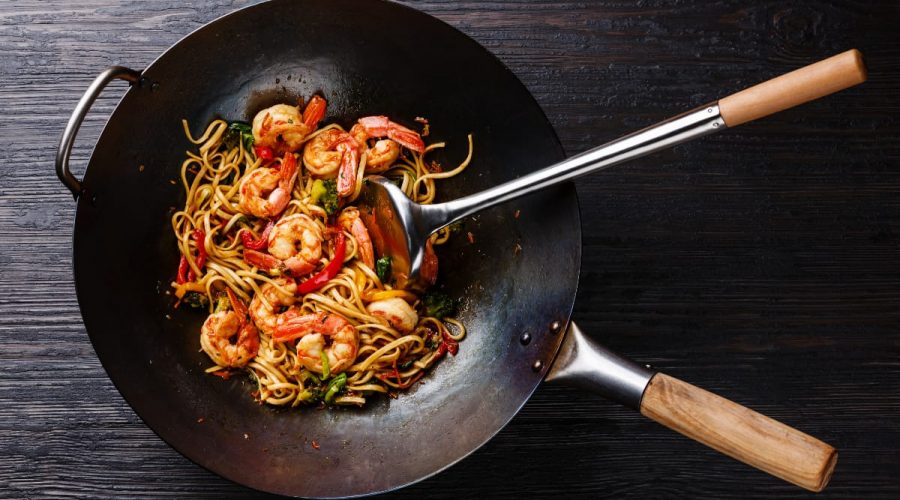
Okay, so picture this: me, attempting to recreate my favorite takeout Kung Pao Chicken. I’ve got all the ingredients prepped, YouTube open on my laptop, feeling like a culinary ninja. Except… the wok. My poor, rounded-bottom wok was just rocking precariously on my electric stove, radiating heat mostly into the air and barely touching the food. Let’s just say, the chicken was…let’s be kind and call it "unevenly cooked." (Spoiler alert: It wasn't edible). That’s when the epic quest for the best wok for an electric stove began. Because let’s be real, nobody wants sad, unevenly cooked Kung Pao Chicken.
The struggle is real, my friends. Using a traditional, round-bottom wok on a flat electric stove is like trying to balance a beach ball on a pancake. It just doesn't work. The heat distribution is terrible, and you're basically fighting a losing battle against physics. But fear not! There are solutions. Wok hei – that smoky, slightly charred flavor that makes stir-fries amazing – is still within your reach!
The Flat-Bottom Wok: Your Electric Stove Savior
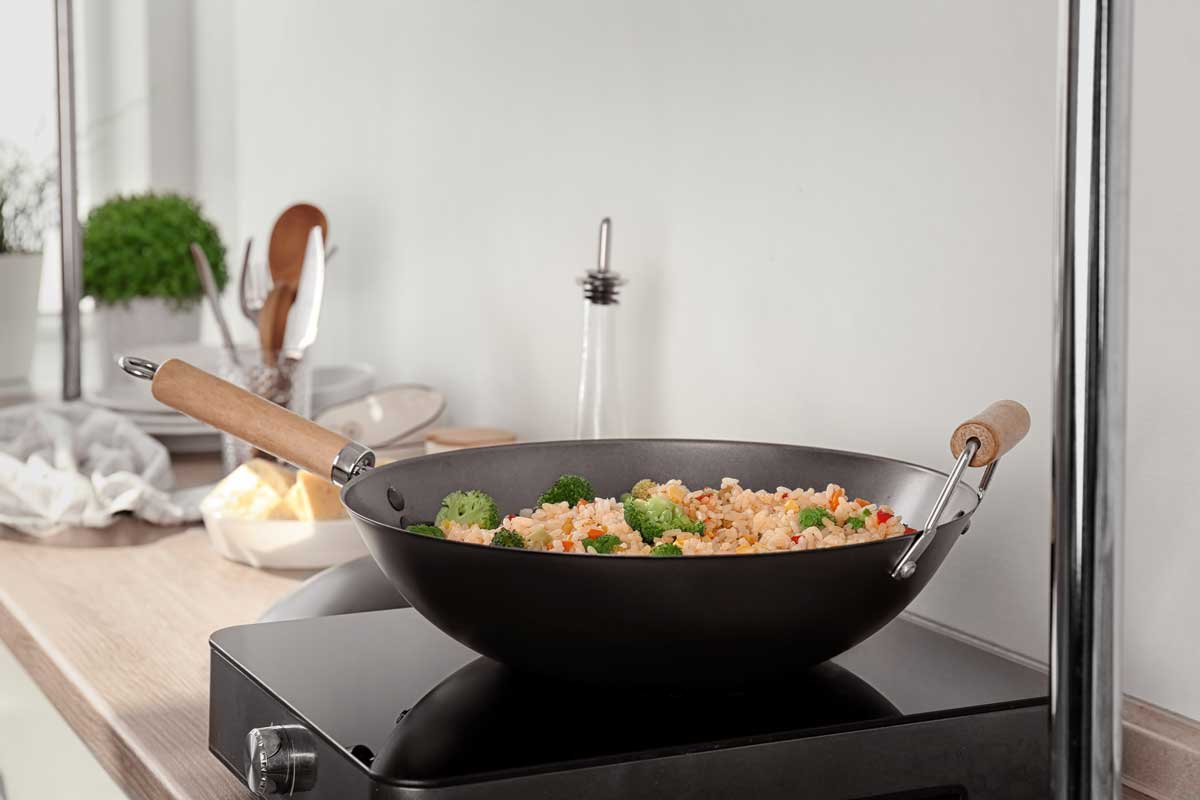
The first and most obvious answer? A flat-bottom wok. I know, I know, it sounds… sacrilegious. But trust me, it's a game-changer. A flat bottom provides maximum contact with the heating element, ensuring even and efficient heat distribution. Think of it as the responsible, practical older sibling of the round-bottom wok. Less flashy, but way more reliable. (And less likely to cause a kitchen disaster.)
Must Read
Now, don't just grab any old flat-bottom wok off the shelf. There are a few things to consider:
- Material: Carbon steel is the gold standard for woks because it heats up quickly, distributes heat evenly, and can withstand high temperatures. Plus, it develops a beautiful, non-stick patina over time, just like a well-seasoned cast iron skillet. Stainless steel is another option, but it doesn't heat up quite as quickly and can be a bit trickier to season.
- Thickness: You want a wok that’s thick enough to retain heat, but not so thick that it takes forever to heat up. Aim for a thickness of around 14-16 gauge for carbon steel.
- Size: This depends on how much you typically cook. A 14-inch wok is a good all-around size for most home cooks.
- Handle: Look for a wok with a long, heat-resistant handle for easy maneuvering. A helper handle on the opposite side is also a nice bonus for lifting a full wok.
Seriously, think about the handle. You don't want to be wielding a wok like a medieval weapon, fearing for your safety every time you stir-fry. (Been there, done that, got the slightly-burned-hand t-shirt.)
Induction Woks: Leveling Up Your Electric Game
Okay, so you're serious about your stir-fries? Then it might be time to consider an induction wok. Induction cooktops are electric stoves on steroids. They use electromagnetism to heat the cookware directly, which means they're incredibly efficient and responsive. And yes, they can get screaming hot – perfect for achieving that coveted wok hei.
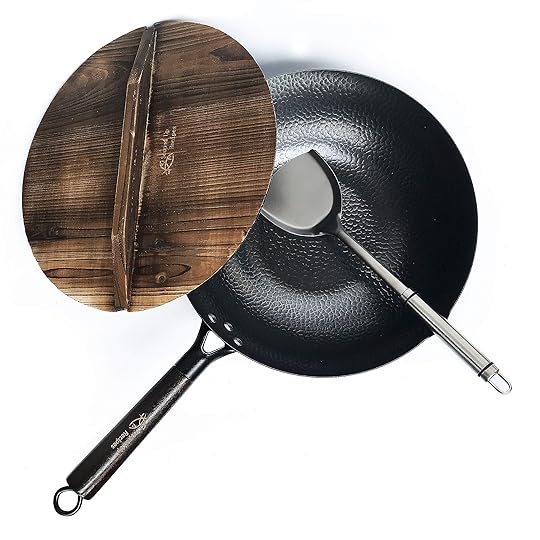
To use a wok on an induction cooktop, you'll need a wok that's made from a ferrous metal, like cast iron or carbon steel. Some induction woks have a slightly rounded bottom to allow for better contact with the curved induction element, but many flat-bottomed woks work just fine.
Pro Tip: Check your cooktop's manual to see what kind of cookware it supports. You don't want to invest in a fancy new wok only to discover it doesn't work with your stove. (Trust me, that's a very sad day.)
Wok Rings: A Potential (But Risky) Solution
Ah, the wok ring. The tempting promise of using your beloved round-bottom wok on your electric stove. It’s basically a metal ring that supports the wok above the burner. While it can work, it's not ideal. It still doesn't provide as much contact as a flat-bottom wok, and it can be unstable. Plus, it can be a pain to clean.
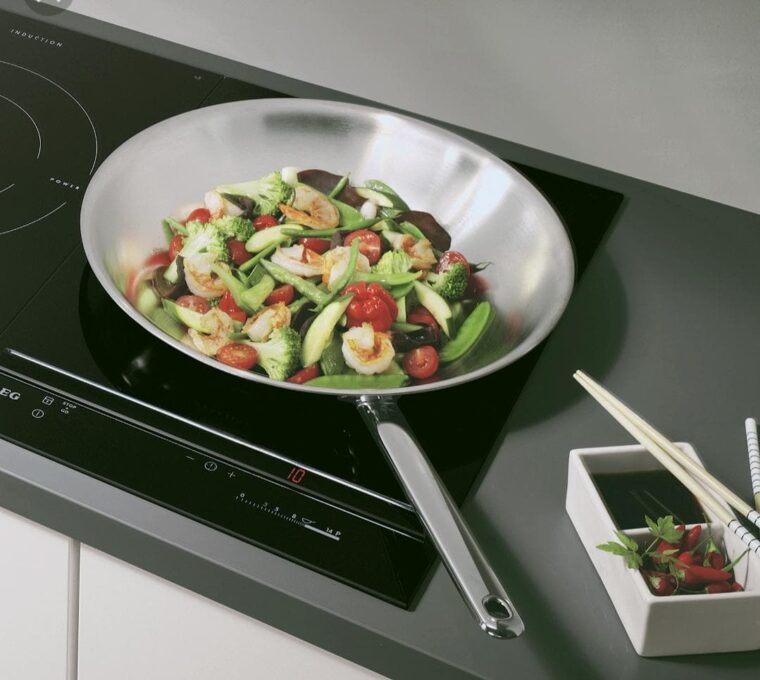
Honestly, I'd only recommend a wok ring as a last resort. If you're dead-set on using your round-bottom wok, give it a try. But be prepared for uneven heating and potentially wobbly cooking. And maybe keep a fire extinguisher handy, just in case. (Okay, maybe I'm exaggerating a little. But safety first, people!)
So, what's the verdict? If you have an electric stove, a flat-bottom carbon steel wok is your best bet for achieving delicious, restaurant-quality stir-fries. If you're ready to upgrade, an induction wok on an induction cooktop is the ultimate setup. And as for wok rings? Well, they're better than nothing, but not by much. Now go forth and conquer your kitchen, armed with the knowledge of the best woks for electric stoves! And may your Kung Pao Chicken be evenly cooked and deliciously flavorful.