
Best Way To Hook Up Generator To House
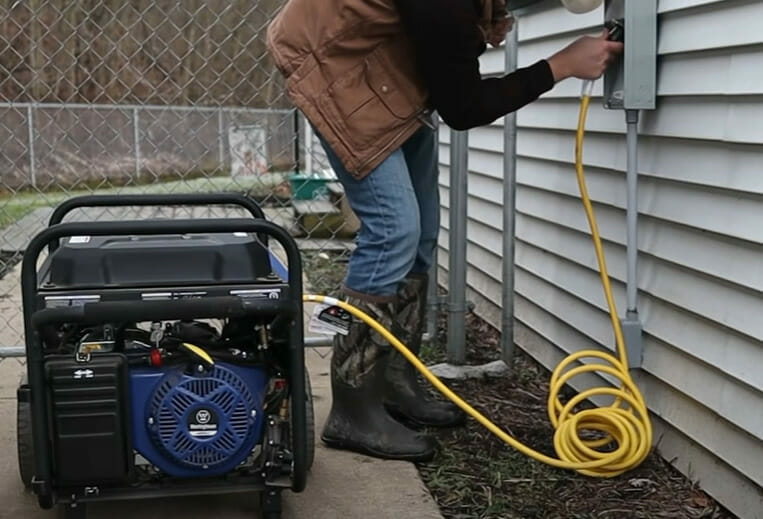
The Great Blackout Begins
The lights flicker. Then, a shudder. Utter darkness descends, swallowing your carefully curated living room in one gulp.
Suddenly, the hum of life goes silent. No TV, no fridge, not even the comforting drone of your neighbor's leaf blower. Just the eerie quiet of a world paused.
Your phone, ever so helpfully, proclaims "No Service." The internet is a distant memory. This, my friends, is the moment when a certain beast awakens within us all.
Must Read
It's the primal urge to restore. To conquer the dark. To reclaim your Wi-Fi, come what may.
The Generator Awakens
Ah, but wait! A beacon of hope rests in your garage, a mechanical beast slumbering. It's your trusty generator, a symbol of preparedness and glorious, glorious power.
You wheel it out, pull the cord, and with a guttural roar, it springs to life. The air fills with the smell of gasoline and the promise of restored normalcy. But then, the big question hits you.
How do you get that beautiful, life-giving electricity from the grumpy machine outside to your expectant appliances inside? This, dear reader, is where the fun begins.
This is where our shared, slightly "unpopular" opinion about the best way to hook up a generator comes into play. Forget the rulebook for a moment.
The Temptation of the "Easy" Way
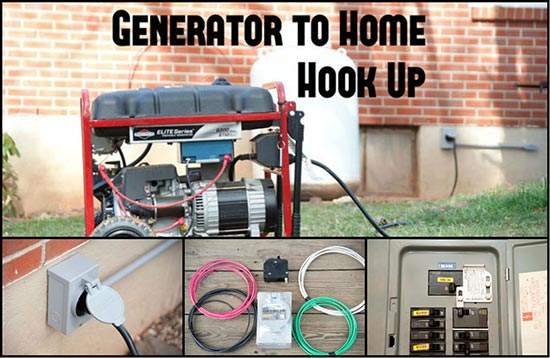
Your mind, in its desperate, power-starved state, might first wander to the simplest, most immediate solution. It's a classic, a tale as old as time. The extension cord solution.
Picture it: A spaghetti of bright orange wires snaking through every door and window. One for the fridge, one for the TV, another for the coffee maker. It's a beautiful, chaotic tapestry of pure willpower.
"This is it!" you might exclaim, triumphantly. It's quick, it's dirty, and it immediately brings some light back into your dark abode. Your neighbors might stare, but your toast is toasting!
This method, while undeniably effective for individual items, gives your house a certain "Frankenstein's monster" aesthetic. Your living room becomes a trip hazard wonderland, but who cares when the lights are on?
For sheer, unadulterated instant gratification, the extension cord safari through your house is truly a contender. It scratches that immediate itch like nothing else.
The Forbidden Dance: Backfeeding (Just Kidding, Mostly)
Now, let's delve into a truly spicy thought, one that whispers from the dark corners of the internet. It's the legend of backfeeding, the idea of plugging your generator directly into a wall outlet.
Imagine the sheer elegance! One plug, one outlet, and suddenly your whole house is powered up. No messy cords, no fuss. Just pure, unadulterated, glorious simplicity.
This, my friends, is the siren song of the truly lazy, the desperate, and the utterly misinformed. It sounds so easy, so effortless. It's the "just one more scoop" of terrible ideas.
Of course, we all know this is a terribly, horribly dangerous idea. It's like trying to pet a dragon because it looks cute. But the thought of its simplicity is undeniably alluring, isn't it?
The true "unpopular opinion" isn't to actually do these things, but to admit that, in the darkest hour, the idea of them flashes through our minds with tempting brilliance.
It's the fantasy of effortless power. The dream of bypassing all the safety rigmarole with a single, rebellious act. The quick fix that never quite works out.

The "Proper" Way: A Humorous Nod to Reality
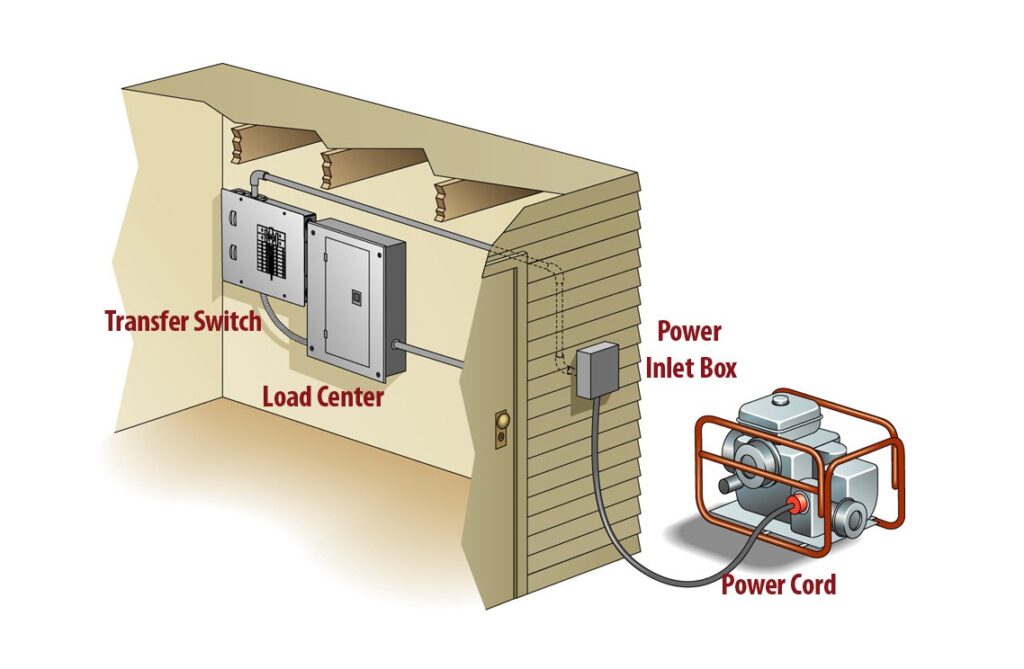
Alright, alright, enough with the dangerous daydreams. Let's talk about the actual best way, which, while sensible, is far less dramatic. It involves a magical device called a transfer switch.
A transfer switch is like a bouncer at a very exclusive club. It makes sure only one power source is invited in at a time: either the utility grid or your generator. No fighting over the microphone, please.
It gets installed by a licensed electrician, which immediately takes all the fun out of it for the DIY enthusiast. Suddenly, it's not a thrilling adventure; it's an appointment.
You plug your generator into a special outdoor inlet. Then, with a satisfying flip of a switch inside, power flows safely into your house. No cords through windows, no rogue currents trying to electrify linemen.
It's responsible, it's safe, and it's terribly, wonderfully boring. It lacks the seat-of-your-pants excitement of a precarious extension cord network. It removes the delicious tension.
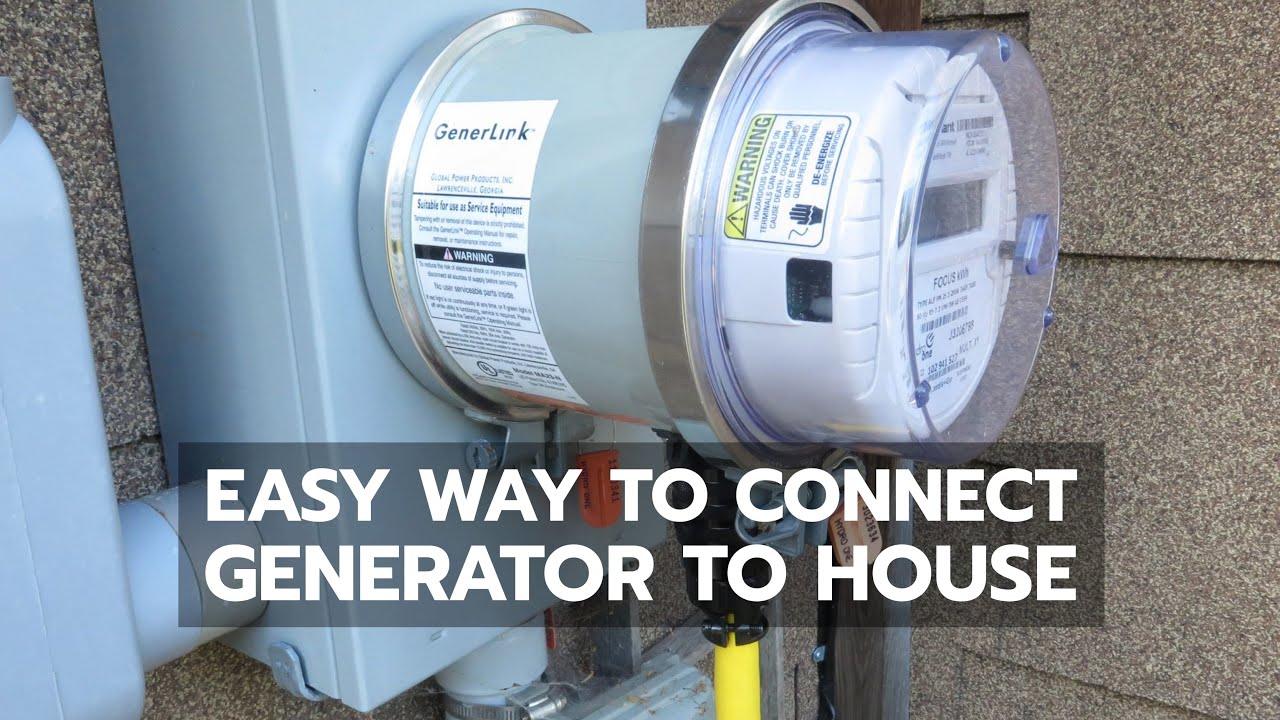
But here's the kicker: it actually works. Safely. Reliably. And without the risk of accidentally turning your house into a giant toaster oven or shocking a poor utility worker.
Embracing the Unpopular, and Then the Smart
So, our "unpopular" opinion? It's that the idea of the easy, quick, slightly madcap hook-up is far more entertaining than the reality of the proper one. It's the story we tell ourselves when the power goes out.
We all secretly wish for a magic button. A simple clap of the hands to make the generator power up the whole house. But reality, as it often does, requires a bit more effort.
The best way to hook up a generator to your house is the way that keeps you, your family, and your friendly utility workers safe. It's the way that involves a professional and a transfer switch.
It might not make for a thrilling story around the campfire, but it ensures you'll have many more campfires to tell stories around. And that, my friends, is the true power move.
So, next time the lights go out, feel free to muse about the wild, untamed possibilities. Just make sure you eventually opt for the safe, sensible, and utterly unglamorous solution. Your future self will thank you for it.