Best Thermostat Temperature For Summer
Ah, summer! The season of sunshine, popsicles, and... the inevitable battle with your thermostat. We all know the drill: outside, the heat is relentlessly trying to invade our homes, while inside, our air conditioners are heroically fighting back. But this isn't just a simple on-and-off switch; it's a fascinating dance between staying cool, saving money, and being kind to the planet. Figuring out the best thermostat temperature for summer is a fun, practical puzzle that can bring real relief to your wallet and your comfort levels!
So, why bother with this "best temperature" quest? The purpose is simple: to find that elusive sweet spot where you're comfortably cool without your electricity meter spinning like a top. The benefits are huge! You'll enjoy significantly lower electricity bills, reduce your home's carbon footprint by consuming less energy, and even prolong the life of your precious HVAC system by not overworking it. It's all about intelligent cooling and embracing energy efficiency without sacrificing your summer serenity.
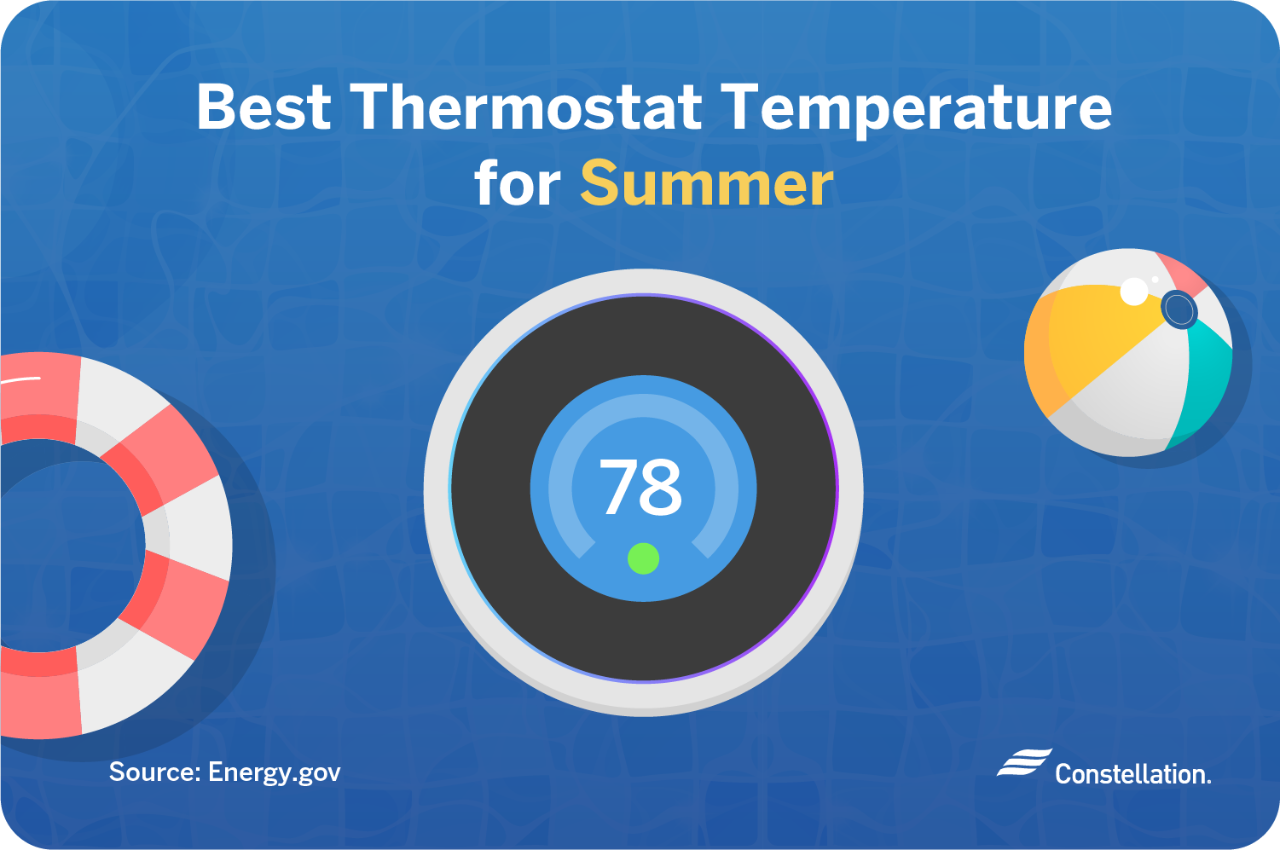
Forget the myth that cranking your AC down to arctic temperatures will cool your house faster – it simply makes your unit work harder for longer, wasting energy. Instead, the general consensus and expert recommendation for the summer months is to set your thermostat to a comfortable yet efficient 78°F (25.5°C) when you're home. This temperature isn't just a random pick; it's a strategically chosen point that provides adequate comfort while significantly reducing the strain on your AC unit and, crucially, your energy bill. The smaller the difference between the indoor and outdoor temperatures, the less energy your system needs to expend to maintain that internal cool.
Must Read
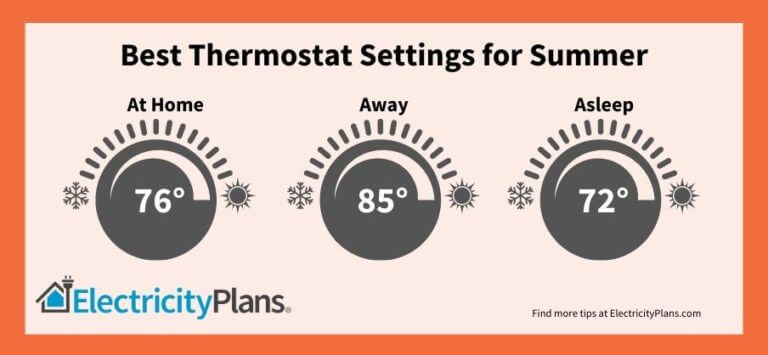
Now, 78°F might sound a tad warm to some, but here's where the smart strategies come in. Utilising a programmable thermostat or, even better, a smart thermostat is a game-changer. You can set it to a higher temperature, say 82-85°F, when no one is home or when you're asleep (many find sleeping with a fan quite comfortable at slightly warmer temps). Then, program it to drop back to 78°F about 30 minutes before you expect to arrive home or wake up. Your home will be perfectly comfortable as you walk in, without having wasted energy cooling an empty space.

Another fantastic helper for feeling cooler at 78°F is your trusty ceiling fan. A fan doesn't cool the air itself, but it creates a wind-chill effect on your skin, making you feel 3-4 degrees cooler without actually changing the thermostat setting. Make sure your ceiling fan blades are rotating counter-clockwise in the summer to push air down. Additionally, managing humidity plays a big role; your AC unit acts as a dehumidifier, and drier air at 78°F feels much more pleasant than humid air at the same temperature. Don't forget simple tricks like keeping blinds and curtains closed during the hottest parts of the day to block sun and heat, and regular AC maintenance to keep your system running optimally.
Ultimately, 78°F is a fantastic starting point, but personal comfort varies. Experiment a little to find what works best for your household, always keeping the balance of comfort, cost savings, and energy efficiency in mind. By making a few smart adjustments, you can enjoy a delightfully cool summer without sweating over your utility bills!