
Best Shoes For Running On Concrete
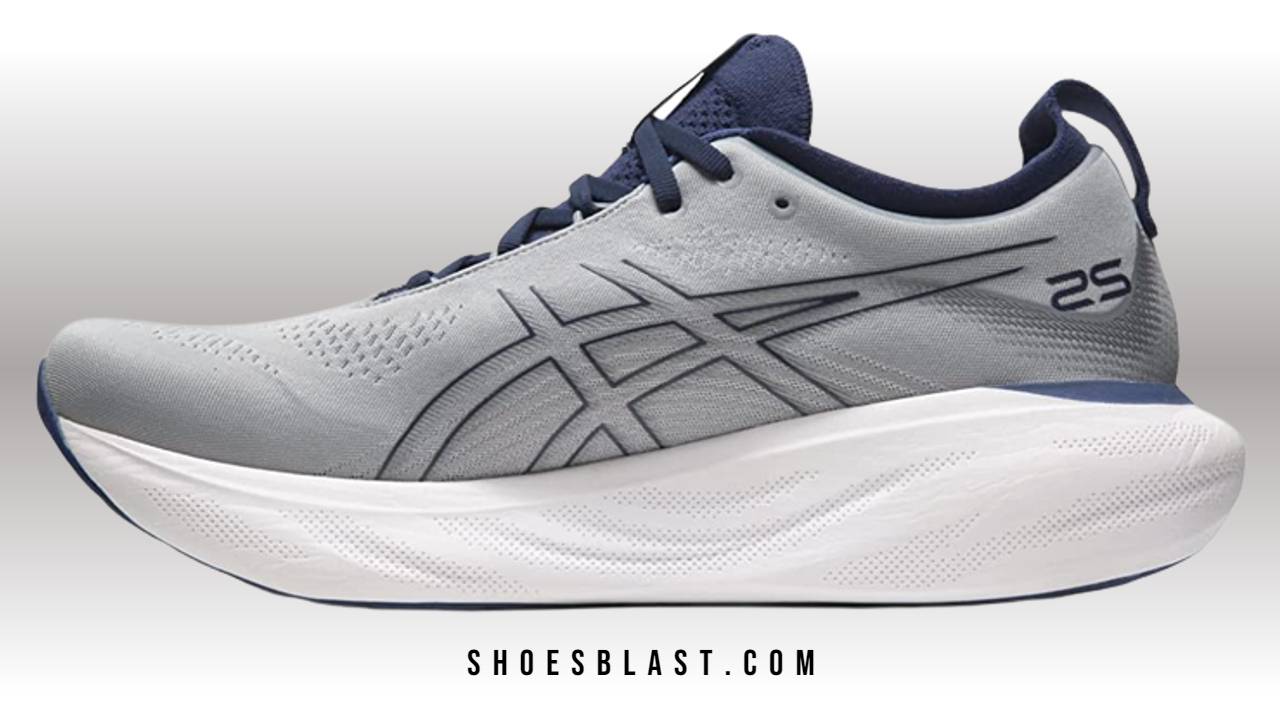
So, you're a concrete conqueror, a sidewalk samurai? That's awesome! But let's talk about your feet, those unsung heroes pounding the pavement. They deserve some serious TLC.
We all know running on concrete is like that one friend who always suggests the hardest hiking trail. It's relentless! But don't worry, we're about to arm you with the knowledge to pick the perfect footwear and make your concrete jungle runs a little less... brutal.
Why Your Shoes Matter (More Than You Think!)
Imagine running a marathon in flip-flops. Ouch! Your shoes are the buffer between your body and the unforgiving world of concrete. They're not just a fashion statement (though, let's be honest, style matters too!).
Must Read
Good running shoes can be the difference between a joyful jog and a week spent icing your knees. They absorb impact, support your arches, and generally keep your feet happy. Happy feet, happy runner, right?
Think of your shoes as tiny, highly specialized shock absorbers. They work tirelessly so you don't have to. Choosing the right ones is like hiring a personal bodyguard for your feet.
The Quest for Cushion: Your Concrete BFF
When it comes to concrete, cushioning is king. The more squish, the better! Think of it like running on a bouncy castle… but one that fits snugly on your feet.
Look for shoes with terms like "maximum cushioning," "plush ride," or even just a description that sounds like a cloud. Seriously, cloud-like is a good thing here.
Brands are constantly innovating with new foams and technologies. Words like Boost, Fresh Foam, and Gel often indicate a high level of cushioning. Keep an eye out for these.
A Few Highly Cushioned Heroes:
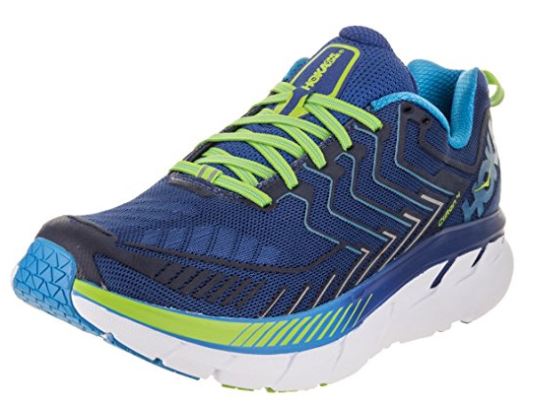
The Hoka Clifton series is a classic for a reason. These shoes are known for their generous cushioning and lightweight feel.
The Brooks Glycerin is another fan favorite. It provides a super-soft and smooth ride, perfect for long concrete runs.
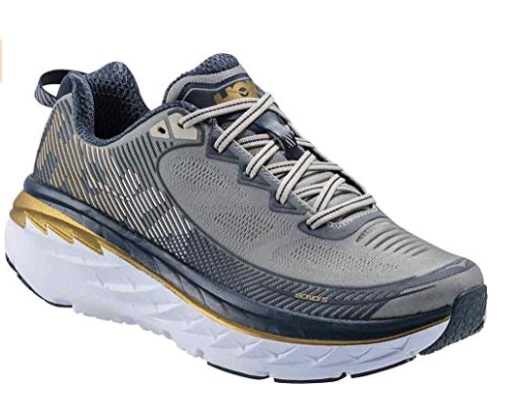
Consider the ASICS GEL-Nimbus. This shoe is known for its GEL cushioning system, which provides excellent shock absorption.
Beyond Cushion: Other Important Considerations
Cushioning isn't the only factor, though. It's like having a super-comfortable bed in a haunted house. You need more than just comfort!
Consider stability. If you tend to overpronate (your foot rolls inward too much), look for shoes with stability features. These can help prevent injuries and keep you running strong.
Also think about the drop (the difference in height between the heel and the toe). Some runners prefer a higher drop, while others prefer a lower drop. Experiment to find what feels best for you.
Don't Forget the Upper!
The upper is the part of the shoe that wraps around your foot. A comfortable and breathable upper is essential for preventing blisters and keeping your feet cool.
Look for uppers made of breathable mesh or knit materials. Avoid uppers that are too stiff or constricting.
Also, pay attention to the lacing system. Make sure the laces are comfortable and don't dig into your foot.
![11 Best Running Shoes For Concrete Floors [FAQ & Buying Guide]](https://footwearhiker.com/wp-content/uploads/2023/12/Best-Running-Shoes-For-Concrete-Floor.png)
The Art of the Shoe Store Visit (It's More Fun Than You Think!)
Okay, so you've done your research. Now it's time to hit the shoe store! This is where the real fun begins.
Don't be afraid to ask for help from the store employees. They're (usually) experts and can help you find the perfect shoe for your needs. Tell them you run on concrete, and what you are experiencing when you run. That information can help them help you.
Try on several different pairs of shoes. Walk around the store in them. Even jog a little if they'll let you! You need to get a feel for how the shoes will perform on the road.
The Sock Situation
Don't forget your socks! Wear the socks you typically wear when running. This will ensure that you get an accurate fit.
Also, consider bringing your old running shoes with you. The store employees can analyze your wear patterns and give you recommendations based on your running style.
It's like bringing your car to the mechanic. They can tell a lot just by looking at the tires. Except in this case, the tires are your shoes, and the engine is your feet!
The Break-In Period: Patience, Young Padawan
So, you've found the perfect shoes. Congratulations! But don't expect them to feel amazing right out of the box. There's usually a break-in period.
Start with shorter runs and gradually increase the distance. This will give your feet time to adjust to the new shoes. Your foot will feel so good in your shoes.
If you experience any pain or discomfort, stop running and try a different pair of shoes. Don't force it! Your feet will thank you.
When to Say Goodbye: The Shoe Retirement Ceremony
Even the best running shoes eventually wear out. Knowing when to retire them is crucial for preventing injuries.
A good rule of thumb is to replace your running shoes every 300-500 miles. Keep track of your mileage! There are apps for that.
Also, pay attention to the wear patterns on the soles of your shoes. If the cushioning is worn down or the soles are cracked, it's time for a new pair. It is a sad day, but it is a necessary day.
The Signs of Shoe Aging:
Increased aches and pains after running. This is a sign that the cushioning is no longer providing adequate support.
Visible wear and tear on the soles of the shoes. This includes cracks, worn spots, and compressed cushioning.

A feeling that the shoes are no longer as responsive or comfortable as they once were.
Concrete Running: It's All About the Right Gear (and a Good Attitude!)
Running on concrete can be tough, but it doesn't have to be miserable. With the right shoes and a positive attitude, you can conquer those sidewalks and enjoy the ride.
Remember to listen to your body, take rest days when you need them, and most importantly, have fun! Running should be a joy, not a chore.
So go out there, lace up those shoes, and show that concrete who's boss! Just remember to thank your feet afterwards. They deserve it.
Running on concrete can be tough on your joints, so don't underestimate the importance of stretching and strengthening exercises. Consider adding some yoga or Pilates to your routine to improve your flexibility and stability.
And finally, remember to stay hydrated! Running on concrete can be dehydrating, so drink plenty of water before, during, and after your runs. Your body will thank you for it.
So, there you have it! Everything you need to know about choosing the best shoes for running on concrete. Now get out there and conquer those sidewalks!