
Best Probiotic To Prevent C Diff
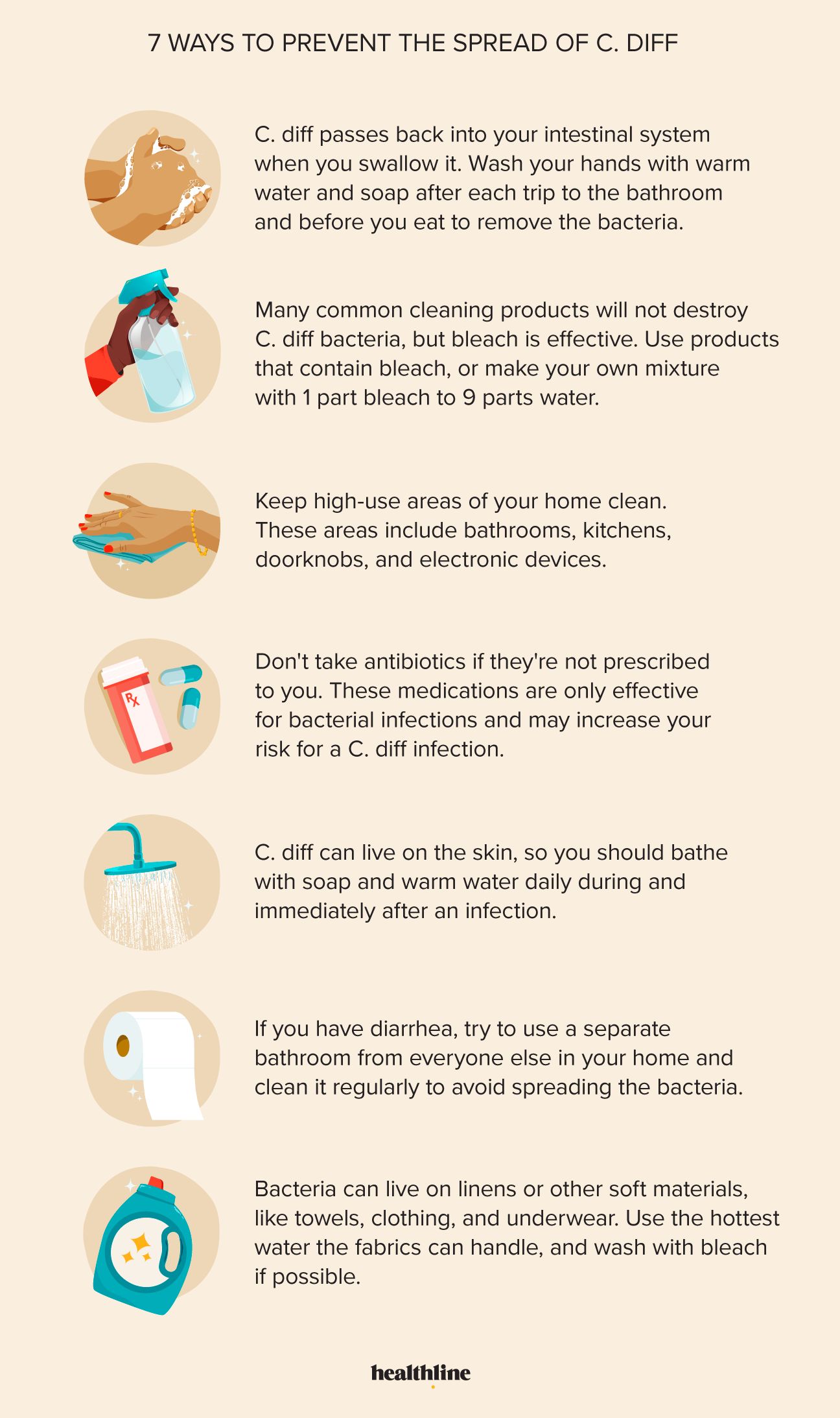
Okay, let's talk about gut health, but in a way that doesn't make you want to run screaming for the nearest antacid commercial. We're diving into the world of probiotics, specifically how they can help ward off something called C. diff. Think of it like this: your gut is a bustling city, and we're hiring tiny security guards to keep the peace.
What's the C. Diff Drama?
C. diff, short for Clostridioides difficile, is a bacteria that can cause some serious tummy troubles. Imagine a rogue biker gang rolling into your peaceful gut city and causing chaos – that's C. diff in a nutshell. Symptoms range from mild discomfort to, well, let’s just say frequent and urgent bathroom trips.
This is especially common after you've taken antibiotics, which, ironically, are supposed to help you. Antibiotics are like a bomb squad: effective at taking out the bad guys, but they also inadvertently wipe out the good bacteria in your gut city. This creates an opportunity for C. diff to move in and throw a party you definitely weren't invited to.
Must Read
Probiotics: The Tiny Gut Guardians
Enter probiotics: the tiny, friendly bacteria that can help restore order in your gut. They're like reinforcements arriving to reclaim the city from the biker gang. But not all probiotics are created equal; some are better equipped for this particular battle than others.
Think of it like this: sending a group of accountants to fight off a biker gang wouldn't be very effective, would it? You need the right kind of muscle – in this case, specific strains of bacteria known for their C. diff-fighting prowess.
So, Which Probiotic Strain is the Hero?
The probiotic strain that gets the most buzz for preventing C. diff is Saccharomyces boulardii. That’s a mouthful, I know! You can just call it S. boulardii, or even "S. bou" if you're feeling chummy.
Unlike most probiotics which are bacteria, S. boulardii is a yeast. It's like the special forces unit of the probiotic world, uniquely equipped to handle the C. diff threat. It doesn't get wiped out by antibiotics, which is a major advantage.
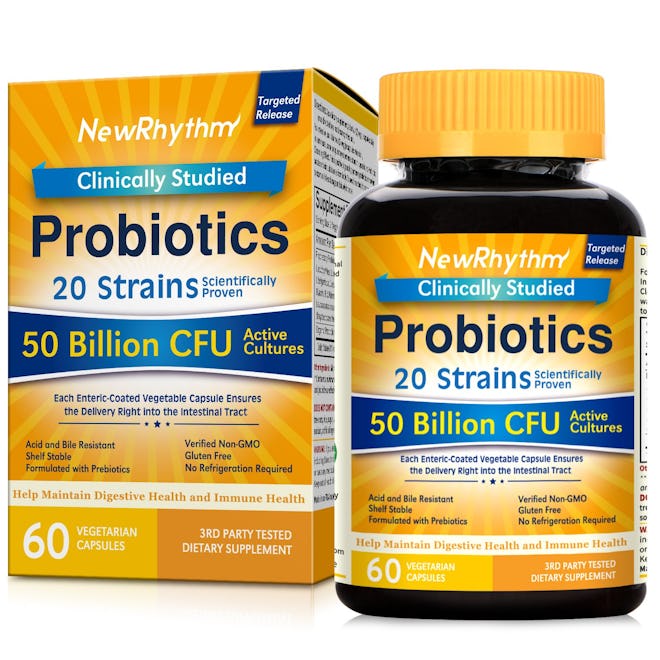
There's another strong contender: a mix of Lactobacillus strains, particularly Lactobacillus acidophilus, Lactobacillus casei, and Lactobacillus rhamnosus. These guys are like the well-organized police force, working together to maintain order and prevent C. diff from gaining a foothold.
Why S. Boulardii is a Rockstar
S. boulardii works through a few different mechanisms. It helps neutralize the toxins produced by C. diff, essentially disarming the biker gang's weapons. It also helps restore the balance of the gut microbiome, making it harder for C. diff to thrive.
Imagine S. boulardii as a bouncer at the entrance to your gut, checking IDs and turning away anyone who looks like they're going to cause trouble. Pretty cool, right?
Studies have shown that S. boulardii can significantly reduce the risk of C. diff-associated diarrhea (CDAD), especially when taken alongside antibiotics. It's like having a bodyguard for your gut during a vulnerable time.
The Lactobacillus Legion: Strength in Numbers
While S. boulardii gets a lot of the spotlight, the Lactobacillus strains are also important players. They work by producing lactic acid, which lowers the pH in the gut, creating an environment that's unfavorable for C. diff.
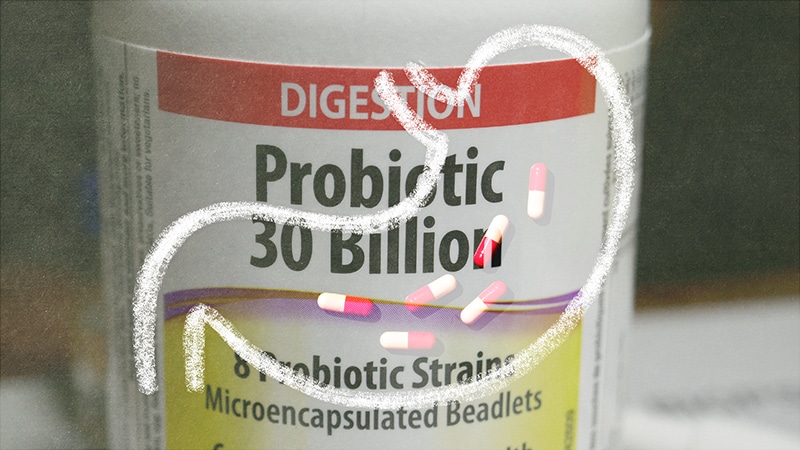
Think of them as the city planners, designing the gut in a way that naturally discourages the biker gang from setting up shop. A well-designed gut is a happy gut!
Some research suggests that a combination of S. boulardii and specific Lactobacillus strains may be even more effective than either one alone. It's like having the special forces working in tandem with the local police – a powerful combination for maintaining law and order.
Finding Your Gut's Dream Team
So, how do you choose the right probiotic to prevent C. diff? First, talk to your doctor or a registered dietitian. They can assess your individual risk factors and recommend the best approach for you.
Look for probiotics that specifically list S. boulardii or a combination of Lactobacillus strains on the label. Make sure the product is from a reputable manufacturer and that it contains a sufficient number of CFUs (colony-forming units) – generally, at least a few billion.

It's also important to start taking probiotics at the same time you start taking antibiotics, and to continue taking them for at least a week or two after you finish the antibiotics. This helps to replenish the good bacteria that have been wiped out and prevent C. diff from taking over.
Real-Life Probiotic Adventures
Let me tell you about my Aunt Mildred. Mildred, a woman who fears nothing except maybe running out of yarn, had a terrible bout of C. diff after a surgery. She was miserable!
Her doctor recommended S. boulardii, and within a few days, Mildred was back to her old self, knitting up a storm and scolding the squirrels for eating her birdseed. She now swears by probiotics and tells everyone she meets about the miracle of "S. Bou," as she affectionately calls it.
These stories of gut health triumph are more common than you might think. People often shy away from discussing digestive issues, but there's no shame in wanting to keep your gut happy and healthy. It’s like having a well-tuned engine for your body!
Beyond Probiotics: Gut-Friendly Lifestyle Tips
While probiotics can be a powerful tool for preventing C. diff, they're not the only solution. A healthy diet, rich in fiber and fermented foods, can also help to support a balanced gut microbiome. Think yogurt, kefir, sauerkraut, and kimchi – all delicious ways to boost your gut health.

Also, try to avoid unnecessary antibiotic use. Antibiotics are life-saving medications, but they should only be used when absolutely necessary. Every time you take an antibiotic, you're essentially hitting the reset button on your gut microbiome.
And don’t forget to manage stress! Stress can wreak havoc on your gut, making it more susceptible to C. diff and other digestive problems. Find healthy ways to manage stress, such as exercise, meditation, or spending time in nature.
The Takeaway: A Happy Gut is a Happy You
Preventing C. diff is all about creating a gut environment that's inhospitable to the bad bacteria and supportive of the good bacteria. Probiotics, especially S. boulardii and specific Lactobacillus strains, can be valuable allies in this fight.
But remember, probiotics are just one piece of the puzzle. A healthy diet, responsible antibiotic use, and stress management are also essential for maintaining a happy and healthy gut. So, give your gut some love, and it will thank you for it!
So, go forth and conquer your gut health! With the right knowledge and a little bit of probiotic power, you can keep your gut city peaceful and thriving.