
Best Place To Put Carbon Monoxide Alarm
Oh, the humble carbon monoxide alarm! It’s one of those unsung heroes of our homes, quietly standing guard while we're busy living our lives. You probably have one, or maybe even a few, tucked away somewhere. But have you ever really stopped to think about where its superhero duties are best performed?
It’s not quite as simple as "just anywhere." Think of it like inviting a super-spy into your home – you want them in the perfect vantage point, ready to spring into action. And trust us, this little guardian deserves the best seat in the house.
The Great Home Safety Adventure Begins
Let's embark on a little adventure, shall we? Our mission: to find the optimal hideouts for these tiny, life-saving devices. It’s less about complicated wiring diagrams and more about common sense, a dash of family protection, and maybe a chuckle or two. Because who said home safety can't be a bit whimsical?
Must Read
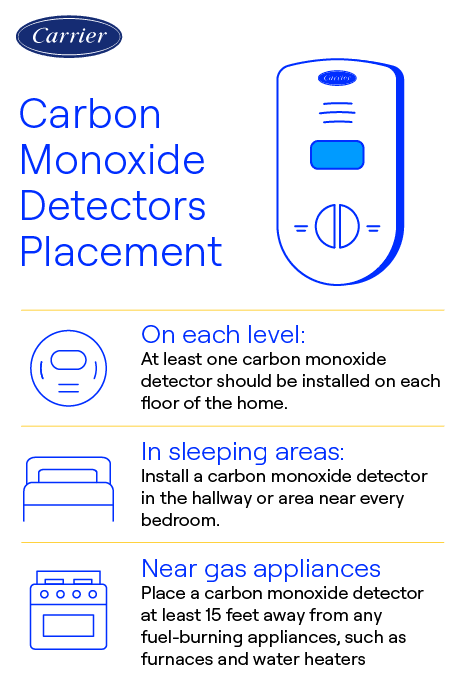
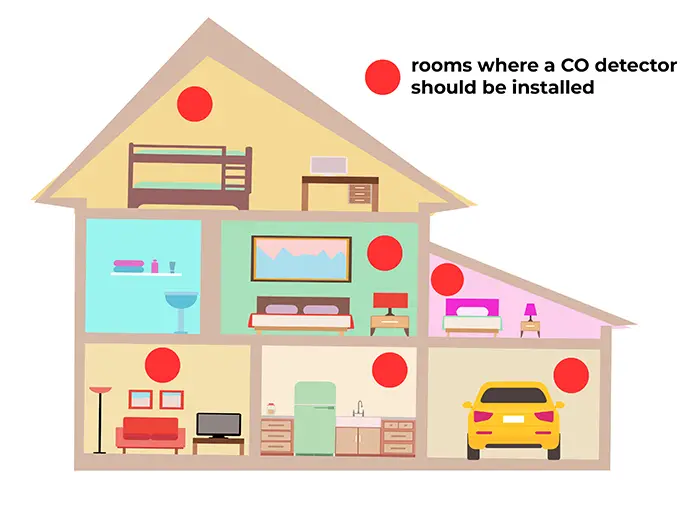
First things first, let’s talk about the absolute bedrock rule, the grand strategy, the undeniable truth: you need an alarm on every single level of your home. Yes, every one! From the cozy basement where movie nights happen, to the main floor bustling with dinner prep, all the way up to the quiet havens of your bedrooms.
Think of each floor as its own little kingdom, and each kingdom needs its own watchful protector. Neglecting a level is like leaving one of your kingdoms unguarded. And nobody wants that!
Sweet Dreams and Silent Guardians
Near the Sleepytime Zones
Now, for the prime real estate: anywhere people sleep. This is arguably the most critical spot. Imagine your family, tucked snugly into bed, dreaming sweet dreams. You want a guardian angel (or alarm) nearby, ready to whisper a warning should trouble arise.
Placement here is key. You should always have a carbon monoxide alarm outside each separate sleeping area. So, if you have three bedrooms grouped together, one alarm in the hallway serving all three is a fantastic start.
For homes with more spread-out sleeping quarters, like a guest room on a different floor or a master suite tucked away, consider an alarm inside those specific rooms too. It's like having a personal bodyguard for each sleeping zone. Because peace of mind during those precious overnight hours is truly priceless.

"There's nothing quite like the feeling of knowing your loved ones are safe while they sleep. It’s a quiet reassurance, a gentle lullaby for the responsible homeowner."
The Not-So-Obvious Nooks and Crannies
The Garage Door Dilemma
Here’s one that might surprise you, but makes perfect sense when you think about it. If your home has an attached garage, you absolutely, positively need a CO alarm nearby. Where exactly? Not inside the garage itself, but rather on the wall inside your home, right next to the door that leads from the garage into your living space.
Why this specific spot? Because cars, even for short bursts, can produce carbon monoxide. You don't want any stray fumes making their way into your cozy kitchen or living room unnoticed. This alarm acts as your diligent bouncer, ensuring no unwanted guests sneak in from the garage.
It’s especially important if someone occasionally warms up the car or forgets to turn it off before unloading groceries. We’ve all been there, distracted and juggling a million things. This alarm is your forgiving friend.
The Utility Closet Chronicles
What about the utility areas, the quiet workhorses of your home? Think about your furnace, water heater, or any other fuel-burning appliance. These are the usual suspects when it comes to CO production. And yes, they deserve their own sentinels.
Place an alarm in the general vicinity of these appliances, but not right on top of them. Give it a little breathing room. This hero is monitoring the general air quality, not just the immediate exhaust. It’s like having a general patrolling the perimeter, not just the specific barracks.
This spot is often overlooked, tucked away in a basement corner or a laundry room. But these hardworking machines need just as much oversight as your bedroom. After all, they’re brewing the warmth and hot water that make your home so comfortable.
Where Not To Put Your Tiny Hero
Just like a real superhero, our CO alarm has its weaknesses – not to danger, but to confusion! There are a few places where placing an alarm might lead to more frustration than safety. We want genuine alerts, not false alarms that make you jump out of your skin.
Avoid putting alarms directly next to fuel-burning appliances. This includes your stove or oven. Cooking fumes, even harmless ones, can sometimes confuse a CO alarm, leading to a loud, unnecessary "false alarm." No one wants their delicious dinner interrupted by an angry beep!
Similarly, steer clear of bathrooms with showers. The steam and humidity can also cause false alerts. Your alarm isn't interested in your hot shower; it's looking for a much more sinister gas. So, give it some space, maybe just outside the bathroom door.
Also, avoid extremely dusty areas, damp spots, or directly in front of vents. These can interfere with its delicate sensors. Your alarm prefers a nice, clean, unobstructed view of the air.
The Nitty-Gritty (Without Getting Too Gritty)
Wall or Ceiling? And How High?
This is where some folks get tangled up. But let's keep it simple. Carbon monoxide is slightly lighter than air, or at least it mixes with air quite readily. So, it doesn’t just sink to the floor like a villain in a cartoon. It actually disperses throughout the room.
The sweet spot for placement is usually on the wall, about eye-level, or higher up near the ceiling. If you’re mounting it on the ceiling, make sure it’s at least six inches away from any wall. If on the wall, aim for roughly five feet from the floor.
Don't put it directly on the floor. While CO mixes, the higher placement ensures it can detect the gas before it becomes too concentrated at lower levels where children and pets might be. It’s like having a guard tower with a clear view of the entire landscape.
The Heartwarming Payoff: Peace of Mind
So, why go through all this delightful strategizing for a little gadget? Because it’s about more than just a beep. It’s about the peace of mind that washes over you when you know you've done everything to protect your nest. It’s about that quiet confidence when you tuck your children into bed.
It's a testament to your love for your home and the people (and pets!) within it. This tiny, silent hero asks for so little, yet gives so much: the ultimate safety net against an invisible threat. It's truly a small investment for such a giant return.

Imagine a chilly evening, everyone is cozied up, and the furnace is humming along. Knowing your CO alarms are strategically placed and diligently working allows you to fully relax and enjoy those moments. That’s the real magic of a well-placed alarm.
Keeping Your Heroes Ready for Action
Our little heroes need a check-up now and then. Don't forget to test your carbon monoxide alarms regularly – usually once a month – by simply pressing the "test" button. It's a quick, loud reminder that they're still on duty.
And just like any hero, they need to be replaced. Most CO alarms have a lifespan of about five to seven years. Check the manufacturer's date on the back of your alarm. When their retirement date comes around, celebrate their service and get them a fresh, younger replacement.
It's a small task, a simple routine, but it ensures your silent guardians remain vigilant and effective. They're part of your home's safety team, and teamwork makes the dream work – the dream of a safe, healthy, and happy home.
So, next time you glance at that little box on the wall or ceiling, give it a nod. It’s more than just an alarm; it’s a silent promise, a faithful sentinel, and a tiny hero making your home a safer, happier place to live. And that, dear friends, is a truly wonderful thing.