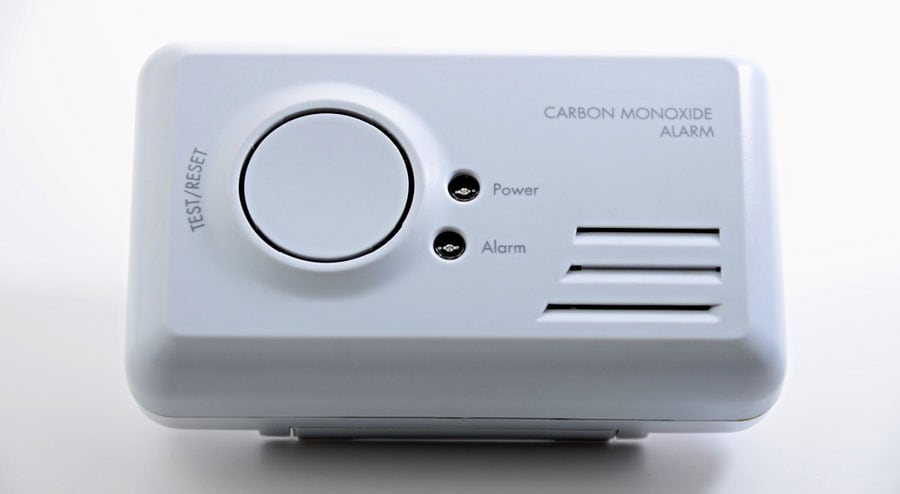
Best Place To Install Carbon Monoxide Detector
/Carbon-Monoxide-Detector-GettyImages-200551076-001-58bcddec3df78c353ca5c22e.jpg)
Hey there! Grab a cuppa, pull up a chair. We need to chat about something super important, but don't worry, we're keeping it casual. Today, we're tackling the whole "where to put your carbon monoxide detector" puzzle. Because, let's be honest, nobody wants a sneaky, invisible killer hanging out in their home, right?
Yep, I'm talking about carbon monoxide. The silent, odorless, colorless ninja of toxic gases. Super unfriendly. It’s like the ultimate party crasher you never invited and can’t even see. And the best way to fight a ninja? Be prepared, my friend! Which means knowing exactly where to place those little life-saving gadgets.
First Things First: Where NOT to Stick It (Seriously!)
Before we dive into the good spots, let's clear up some no-go zones. Think of these as the detector's personal pet peeves:
Must Read
- Too close to fuel-burning appliances: Your furnace, water heater, oven? They produce tiny, harmless puffs of CO when they first start up. Put a detector right next to them, and you'll get nuisance alarms. Annoying, right? Give it some breathing room—at least 5-20 feet away.
- In super dusty or humid spots: Garages, laundry rooms, bathrooms? Not ideal. Dust can clog the sensor, and humidity can trigger false alarms. Your detector needs a clean, dry environment, just like you prefer your coffee mug.
- Direct sunlight or air vents: Extreme temperatures can mess with the sensor. Plus, you don't want CO blowing away from the detector before it can do its job. Think of it like trying to catch a whisper in a wind tunnel.
- Behind furniture or curtains: Obvious, but worth saying! Don't block it. It needs clear air access to sniff out trouble.
Okay, Now for the PRIME Real Estate!
Alright, now that we've cleared out the riff-raff, let's talk about the VIP locations. This is where your detector can shine, literally (with a little blinking light, hopefully only for testing!).
1. On Every Single Level of Your Home. Period.
This isn't a suggestion, it's a golden rule. Got a basement? A main floor? An upstairs? Each one needs its own CO detector. Why? Because CO spreads, but not always evenly or quickly throughout a multi-story home. If it’s pooling in the basement from a furnace issue, you want an alarm there first, not when it finally creeps upstairs hours later. Think of it as having eyes on every floor!
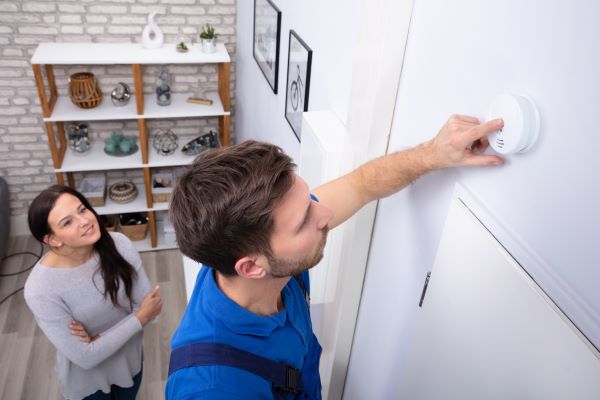
2. Near Sleeping Areas (Especially Bedrooms!)
This is probably the most critical spot. Why? Because when you're asleep, you're vulnerable. CO can sneak in and poison you while you’re catching Zs, and you won't even know it's happening. No smell, no taste, just... sleepy, then sicker. Scary, I know! So, place a detector within 15 feet of each bedroom door. Better yet, inside each bedroom if you want maximum peace of mind. Imagine it like a little guardian for your dreams.
3. Near or Over Attached Garages
Got an attached garage? This one’s a biggie. Running a car (even for a "quick minute") or a gas-powered generator in there is a huge CO risk. That CO can then seep into your living space. So, place a detector just inside the door leading from the garage into your house. It’s like building a little CO checkpoint.
4. Near Fuel-Burning Appliances (But Not TOO Close!)
Remember our earlier chat about not putting it right on the furnace? Well, you still want it in the vicinity of where CO might be produced. So, if you have a gas furnace, water heater, or even a gas fireplace, place a detector in the same room, but observing that 5-20 feet distance rule. It’s about being close enough to catch trouble early, but far enough to avoid false alarms from normal operation.
What About Height? Low, High, or In Between?
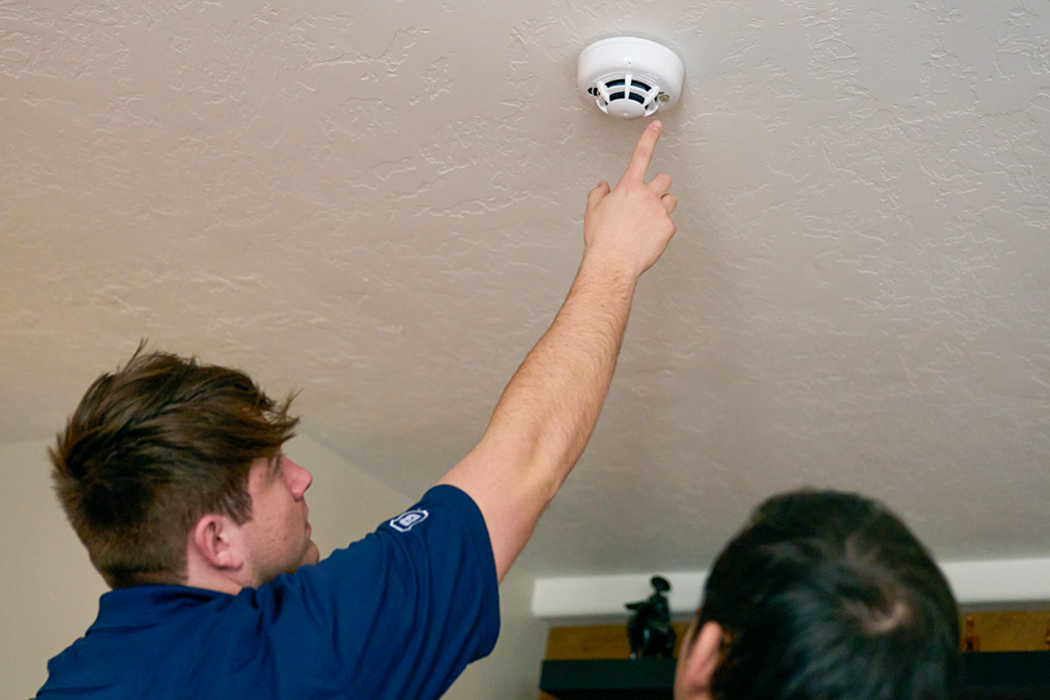
Ah, the age-old debate! Does CO rise or fall? The truth is, it mixes with air. It's not like smoke that definitely rises. So, while some older models said near the floor, modern consensus and detector technology mean it's less about exact height and more about strategic placement.
Most manufacturers recommend at eye level or on the wall about 5 feet off the ground. Why? It's easy to see, hear, and you're more likely to interact with it (like for testing). Some can go on the ceiling, but check your specific model's instructions. When in doubt, follow the instructions from the folks who made your specific gadget—they know their stuff!

More is ALWAYS Better, My Friend!
Seriously, don't skimp. If you have a large home, or just want extra peace of mind (who doesn't?!), consider adding more detectors. Maybe one in the living room, or even in a home office. These things are relatively inexpensive, especially when you consider what they're protecting. It’s like having extra eyes and ears throughout your home.
A Quick Nudge: Maintenance!
Just like your phone needs charging, your CO detector needs a little love. Test it monthly! There’s usually a "test" button for that. And if it's battery-operated, swap those batteries out at least once a year (hello, Daylight Saving time!). Most detectors also have an expiration date (usually 5-10 years), so mark that on your calendar too. They don't last forever, sadly.
So, There You Have It!
Placing a carbon monoxide detector isn’t rocket science, but it is super important to get right. Think of these tips as your personal guide to keeping your home safe and sound from that invisible troublemaker. Stay safe, stay healthy, and keep those detectors chirping (only when you test them, of course!). You got this!