
Best Place To Install A Co2 Detector
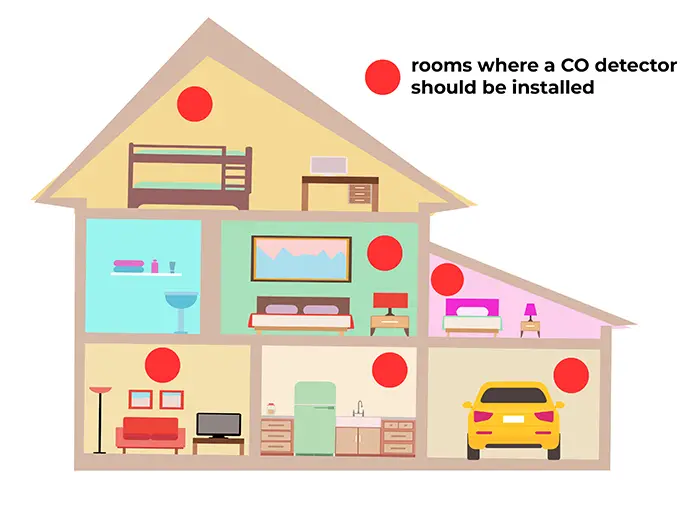
Alright, folks, let's talk about something that's usually as exciting as watching paint dry, but when you get it right, it's like winning the lottery… of safety! We’re diving into the thrilling world of where to install your CO2 detector. Because let's be honest, nobody wants a surprise visit from that sneaky, invisible villain: carbon monoxide. It's like that uninvited guest at a party who just shows up, silent and messing with everyone's good time.
You probably picked up a CO2 detector because you’re a responsible adult (or at least you play one on TV). But here’s the kicker: just having one isn't enough. It's not a magical talisman you can just toss in a junk drawer and expect it to work. Its superpower is directly linked to its placement. Think of it like a superhero – even Superman needs to be in the right city to save the day, right? He can't save Metropolis from a phone booth in Smallville.
The VIP Section: Near Bedrooms
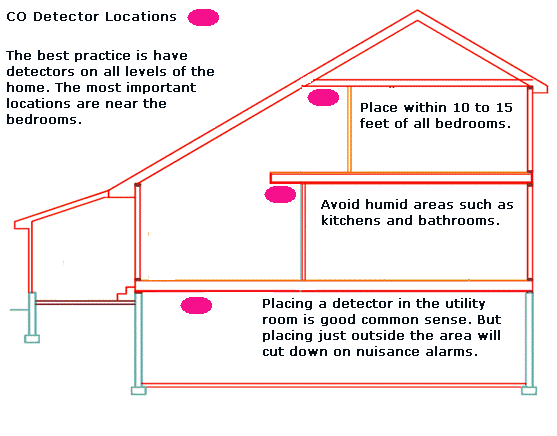
This is probably the most important rule, so let's shout it from the digital rooftops! Your CO2 detector needs to be near where people sleep. Why? Because you're most vulnerable when you're catching Zs. You won't smell it (because it’s odorless), you won't see it (because it's invisible), and you won't hear it (because it’s silent). It’s the ultimate stealth bomber. So, put a detector inside or just outside each sleeping area. For multi-story homes, one on each level with bedrooms. Think of it as a silent alarm clock for danger, but way less annoying than your actual alarm clock.
Must Read
The Social Hub: Common Areas
Next up, let’s hit the places where you actually, you know, live. The living room, the den, the family room – wherever your household gathers for movie nights, board games, or just scrolling. These spots are prime real estate for a CO2 detector. After all, if something’s amiss, you want to know about it while you’re fully awake and able to do something, not just when you're drifting off to dreamland. It's like having a lookout post in the main square, keeping an eye on things while everyone else is enjoying their metaphorical ice cream.
The "No-Fly Zones": Where NOT to Install It
Now, let's talk about the places that are just a big fat "nope." Installing a CO2 detector incorrectly can be as unhelpful as a "Don't Touch" sign on a cactus – it's too late once you've felt the prick!
Too Close to Fuel-Burning Appliances
This might sound counter-intuitive, right? "But that's where CO2 comes from!" Exactly. If you put it too close to your furnace, water heater, or fireplace, it's like putting a smoke detector inside your toaster. You'll get false alarms all day, and eventually, just ignore it. We're aiming for actual detection, not a constant symphony of beeps. Give these appliances a bit of breathing room; a detector should be at least 15-20 feet away.
Near Windows, Doors, or Vents
Imagine trying to have a serious conversation in the middle of a wind tunnel. That's what happens when you place a CO2 detector near a window or a vent. Fresh air circulating can dilute the CO2, giving you an inaccurate reading. It's like finding Waldo in a half-missing picture. You need a stable environment for it to do its job properly.
Behind Furniture or Curtains
Let's be real, your CO2 detector isn't a decorative piece meant to blend seamlessly into your decor. It needs to "breathe" and sample the air. Hiding it behind a giant sofa, a flowing curtain, or even in a dusty corner where it can't circulate air is like putting a blindfold on a guard dog. It can't sniff out trouble if its sensors are blocked. Keep it unobstructed, proudly displayed (in a functional way, of course!).
At Extreme High or Low Points
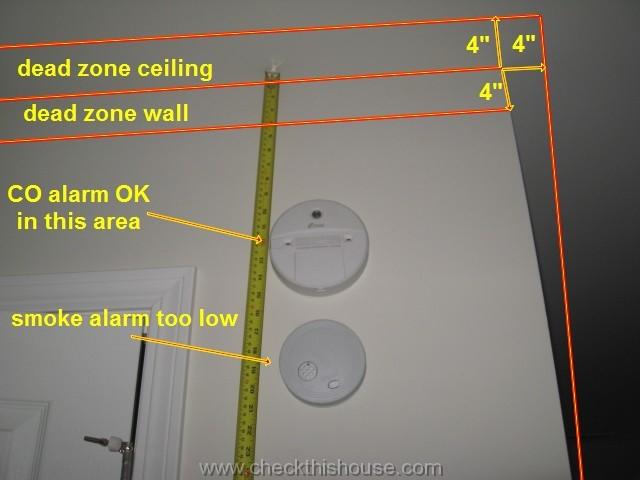
CO2 is sneaky because it mixes with the air. It's not like helium that goes straight up, or some super heavy gas that hugs the floor. So, don't put your detector way up near the ceiling with the spiders, or down near the floor with the dust bunnies. The sweet spot is usually about chest height, or slightly higher. Think about your breathing height – that's the air your detector needs to sample.
So, there you have it! A not-so-boring guide to keeping that invisible party crasher, carbon monoxide, at bay. Installing your CO2 detectors in the right places isn't just a smart move; it’s a peace-of-mind move. It's the difference between being prepared and, well, not being prepared, which isn't a good look. Go forth, check those detectors, and sleep soundly, knowing you’ve put your little guardian angels in all the right spots. Your future self (and your lungs) will thank you!

