
Best Place For Carbon Monoxide Alarm

Alright, let's chat about something that's probably not the first thing on your mind when you're scrolling through gorgeous home decor inspo or planning your next cozy night in. But trust me, this little detail is a true MVP for your peace of mind and, well, your very breath. We're talking about the carbon monoxide alarm.
Now, don't let the technical name scare you. Think of CO alarms as your home's silent, vigilant guardians, always on duty. Carbon monoxide, often dubbed the "silent killer," is an invisible, odorless, and tasteless gas. It's truly sneaky! It's produced when fuels like gas, oil, kerosene, wood, or charcoal burn incompletely. Your furnace, water heater, gas stove, fireplace – even your car running in an attached garage – can be sources.
Understanding Your Unseen Housemate (and How to Evict It)
The danger with CO is that it starves your body of oxygen, and you won't even realize it's happening until symptoms like headaches, dizziness, or nausea kick in. By then, it could be serious. But here's the good news: a properly placed CO alarm is your early warning system, giving you precious time to react.
Must Read
So, where's the sweet spot for these life-saving gadgets? It's not rocket science, but there are a few golden rules to follow.
The Prime Locations: Where Your CO Alarms Will Shine
The overarching theme here is simple: put them where they matter most.

1. Near Sleeping Areas (The Absolute Must-Do!)
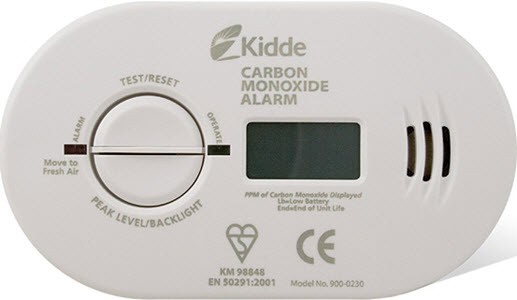
This is non-negotiable. You spend hours asleep, unaware of your surroundings. CO poisoning can happen rapidly, especially when you're unconscious. So, place an alarm inside or directly outside of every sleeping area or bedroom. If you have multiple bedrooms, aim for one within 15 feet of each. Think of it like this: you wouldn't drive without a seatbelt, right? Don't sleep without a CO alarm nearby.
2. On Every Level of Your Home (Including the Basement)
CO mixes evenly with air, meaning it doesn't necessarily rise or fall like smoke. Therefore, having an alarm on each floor ensures comprehensive coverage. Don't forget the basement, especially if it houses your furnace or water heater, or if it's a living space.
3. Near Fuel-Burning Appliances (But Not Too Close!)
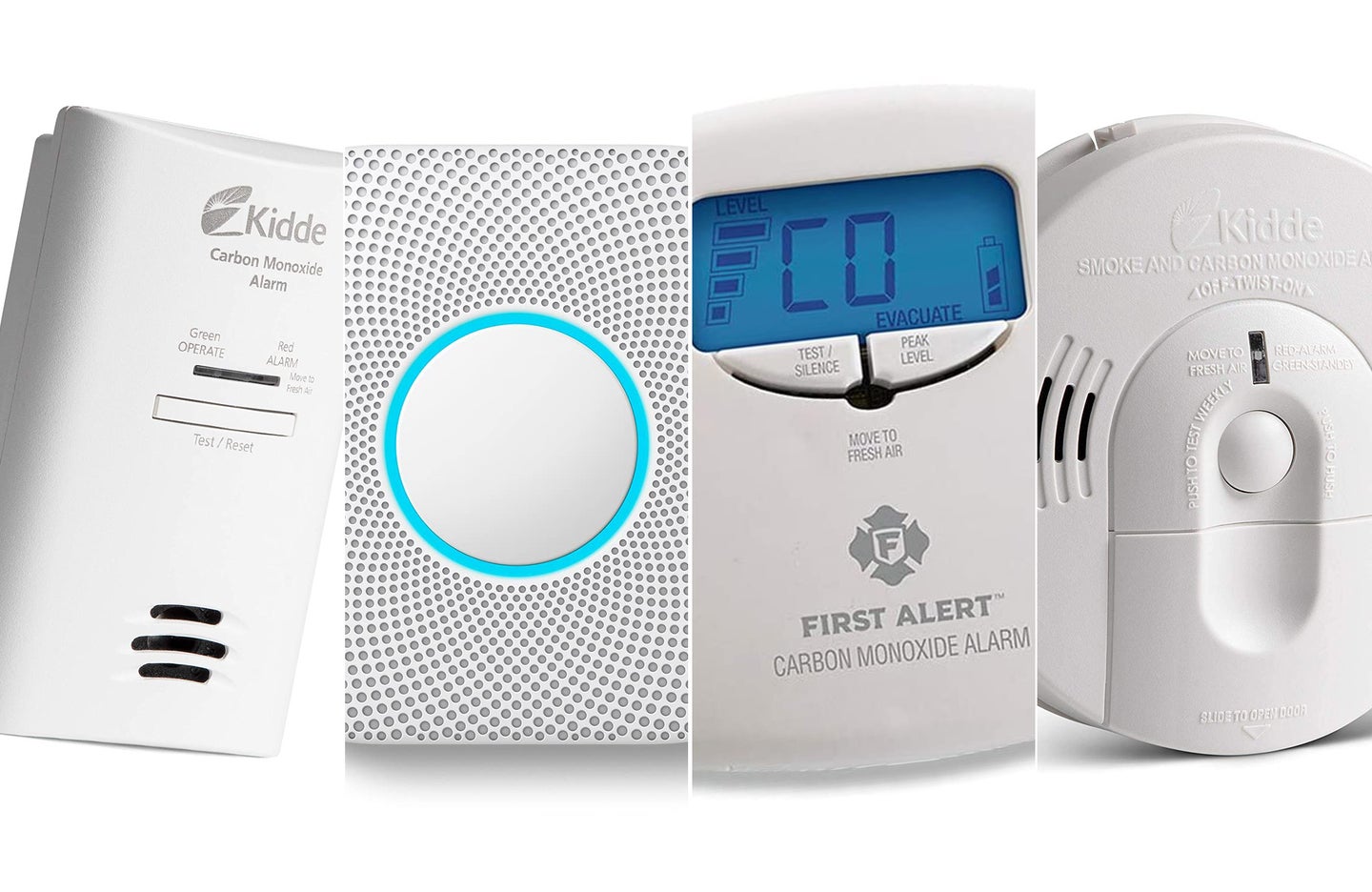
It makes sense to place an alarm near potential sources like your furnace, boiler, or fireplace. However, give them a little breathing room. Manufacturers typically recommend placing alarms at least 15-20 feet away from these appliances. Why? Because during normal operation, a tiny, harmless amount of CO might be produced, which could trigger a false alarm if the detector is right on top of it. Always check your alarm's specific manual for precise placement distances.
4. Wall or Ceiling? The Height Debate.

Since CO mixes with air, the exact height isn't as critical as with smoke detectors (which are best on ceilings). Most manufacturers recommend placing CO alarms on a wall, about 5 feet from the floor, or on the ceiling. The key is to ensure it's not obstructed by furniture or curtains. When in doubt, follow the instructions that came with your specific alarm model – they know best!
Where NOT to Put Them (Avoid These Spots!)
Just as important as knowing where to place them is knowing where not to:
- Directly above or next to fuel-burning appliances: Again, false alarms are a pain.
- In garages: Unless specifically designed for garage use and connected to living spaces, the exhaust from your car can easily trigger it.
- In direct sunlight or highly humid areas: Extreme temperatures or moisture can affect the sensor's performance.
- Behind curtains or furniture: They need a clear path to detect air.
- Next to fresh air vents: This can dilute the CO concentration reaching the sensor.
Bonus Tips for a Super Safe Home
- Test them regularly: Just like smoke alarms, hit that test button once a month. It's a satisfying little chirp of reassurance!
- Know when to replace: CO alarms don't last forever. Their sensors degrade over time. Most have a lifespan of 5-7 years, and many will chirp to tell you when it's time for a replacement. There's often a "replace by" date on the back.
- Consider combo units: Many alarms now combine smoke and CO detection, offering dual protection in one sleek device. Talk about efficiency!
- Portable power: For extra peace of mind, especially if you're traveling and staying in hotels or Airbnb rentals, a portable CO alarm is a smart addition to your packing list. Think of it as a little travel buddy for safety.
At the end of the day, installing and maintaining CO alarms is one of the simplest, most impactful things you can do for your home and family. It’s a small investment for a monumental return: undisturbed sleep, clear minds, and the invaluable gift of safety. So, go forth, place those alarms strategically, and enjoy your beautifully safe haven!