Best Medical Alert Device For Seniors

Ever feel that little flutter of independence when you tackle a task on your own, or the immense relief of knowing help is just a phone call away? For many seniors, maintaining that sense of freedom and security is paramount. We all want to live life to the fullest, exploring hobbies, spending time with loved ones, and simply enjoying the comfort of our own homes. But sometimes, life throws us a curveball – a surprise fall, a sudden dizzy spell, or an unexpected health scare. That's where a fantastic modern marvel steps in: the medical alert device.
Think of it as your personal superhero sidekick, always ready to spring into action. The primary benefit of these devices is providing an instant lifeline to help, 24/7. It’s not just about emergencies; it’s about the profound peace of mind it offers, both to the senior and their worried family members. This little gadget empowers seniors to continue living independently in their homes, knowing that if they ever need assistance, whether it's a minor stumble or a critical medical event, a trained professional is just a button press away. It’s about replacing anxiety with assurance, and isolation with connection.
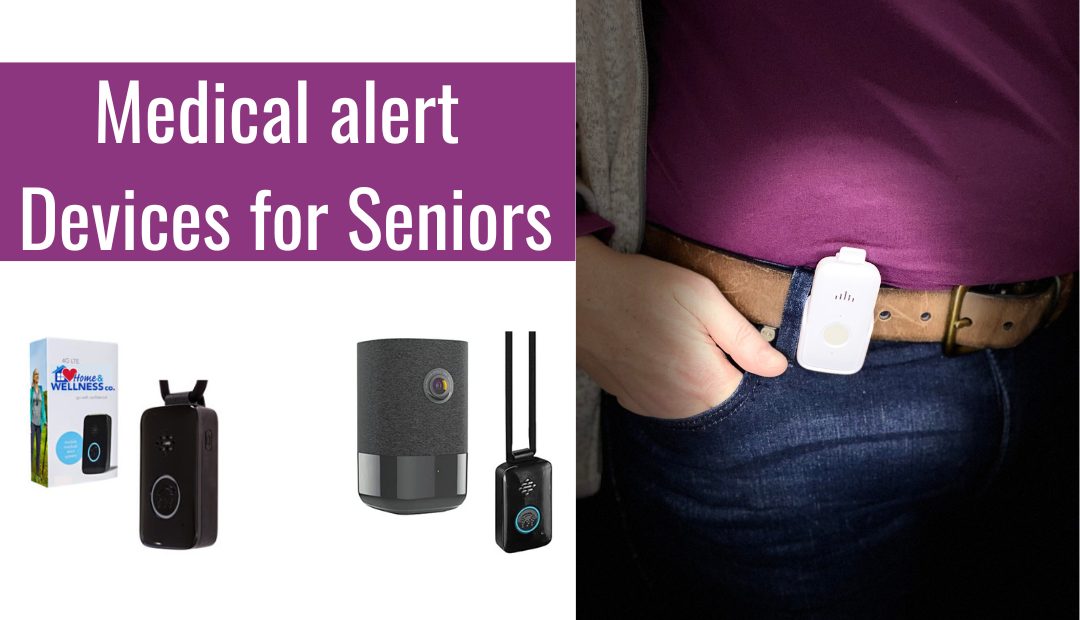
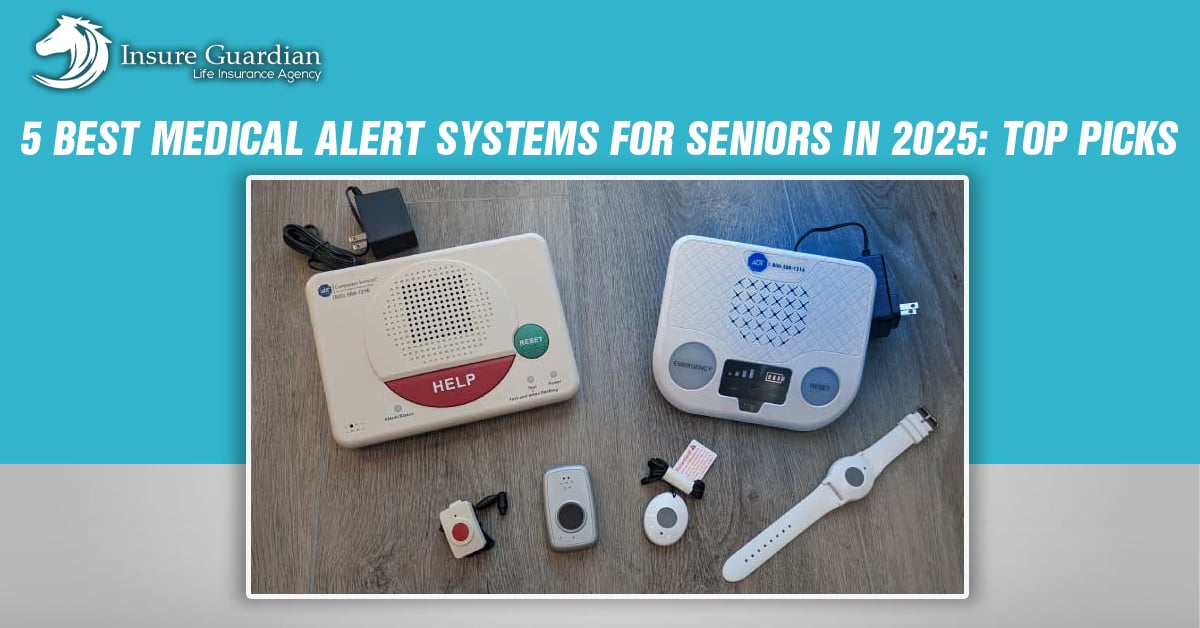
These aren't your grandpa's clunky alarm systems anymore! Today's medical alert devices come in a variety of discreet, user-friendly forms. You'll find them as elegant pendants worn around the neck, unassuming wristbands that blend in with everyday jewelry, or even subtle clips for clothing. Many include advanced features like automatic fall detection, which can sense a sudden impact and alert the monitoring center even if the wearer can't. For the more adventurous senior, there are mobile options with GPS tracking, perfect for walks in the park, trips to the store, or even vacations, ensuring help can find them anywhere, not just at home. Some even boast two-way communication directly through the device, allowing you to speak with the emergency operator without needing to reach a phone.
Must Read
To truly get the most out of your medical alert device, a little preparation goes a long way. First, assess your needs: Are you mostly home, or do you lead an active, on-the-go lifestyle? This will dictate whether an in-home system or a mobile one with GPS is best. Second, look for features that matter to you, like water resistance (essential for bathroom safety!), long battery life, and clear two-way communication. Third, and perhaps most crucially: wear it! A device left on the nightstand is no help in an emergency. Get into the habit of wearing it daily, just like glasses or a watch. Finally, involve your family in the setup process and ensure your emergency contacts are up-to-date. Discussing the device beforehand can alleviate any initial apprehension and ensure everyone understands how it works. With the right device and a little proactive thinking, you can embrace independence and enjoy every precious moment with confidence and security.