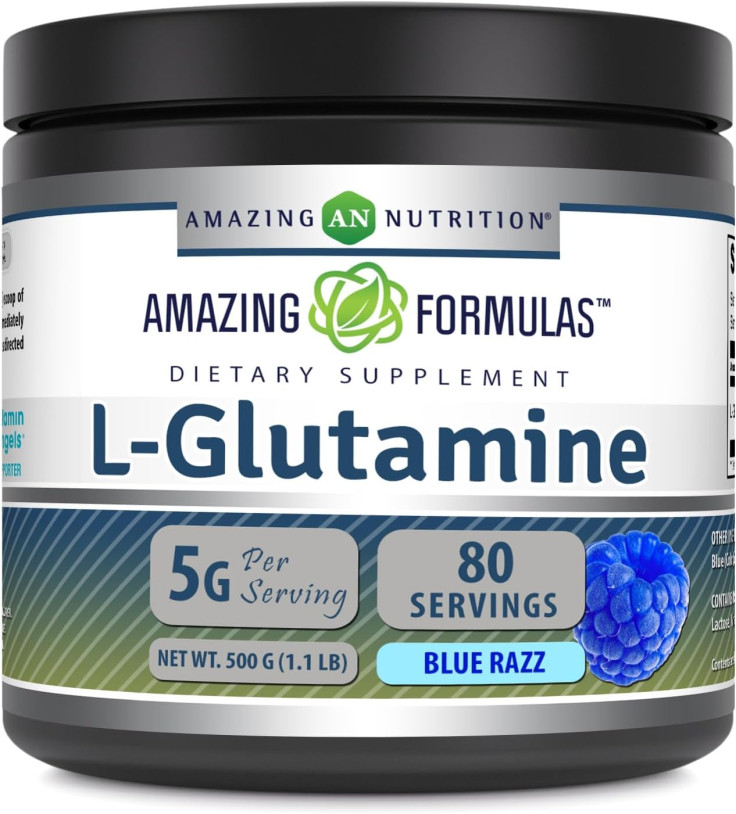
Best L Glutamine For Gut Health

Okay, so picture this: I’m on vacation, finally relaxing after months of deadlines. I'm sipping a fruity drink by the pool, feeling pretty darn good... until my stomach decides to stage a full-blown rebellion. We're talking cramps, bloating, the whole shebang. Vacation RUINED. After some desperate Googling (because who brings their GI specialist on holiday, right?), I stumbled upon the magical world of L-Glutamine. And let me tell you, it was a game-changer. But finding the right one? That's a whole other adventure.
So, what exactly is L-Glutamine, and why is everyone suddenly obsessed with it?
What's the Deal with L-Glutamine?
In a nutshell, L-Glutamine is an amino acid. Don't let the "amino acid" thing scare you. It's naturally produced by your body and plays a vital role in all sorts of processes, especially when it comes to your gut. Think of it as fuel for your intestinal cells. These cells create the lining of your gut, and a healthy lining is your first line of defense against, well, everything nasty that tries to get in!
Must Read
When your gut lining is compromised (think leaky gut – a real thing, despite what some skeptics might say!), L-Glutamine can swoop in and help repair it. Less leaky gut = fewer digestive issues. Makes sense, right?
Side note: Always talk to your doctor before starting any new supplement, especially if you have any existing health conditions. I’m just a friendly internet stranger, not a medical professional!
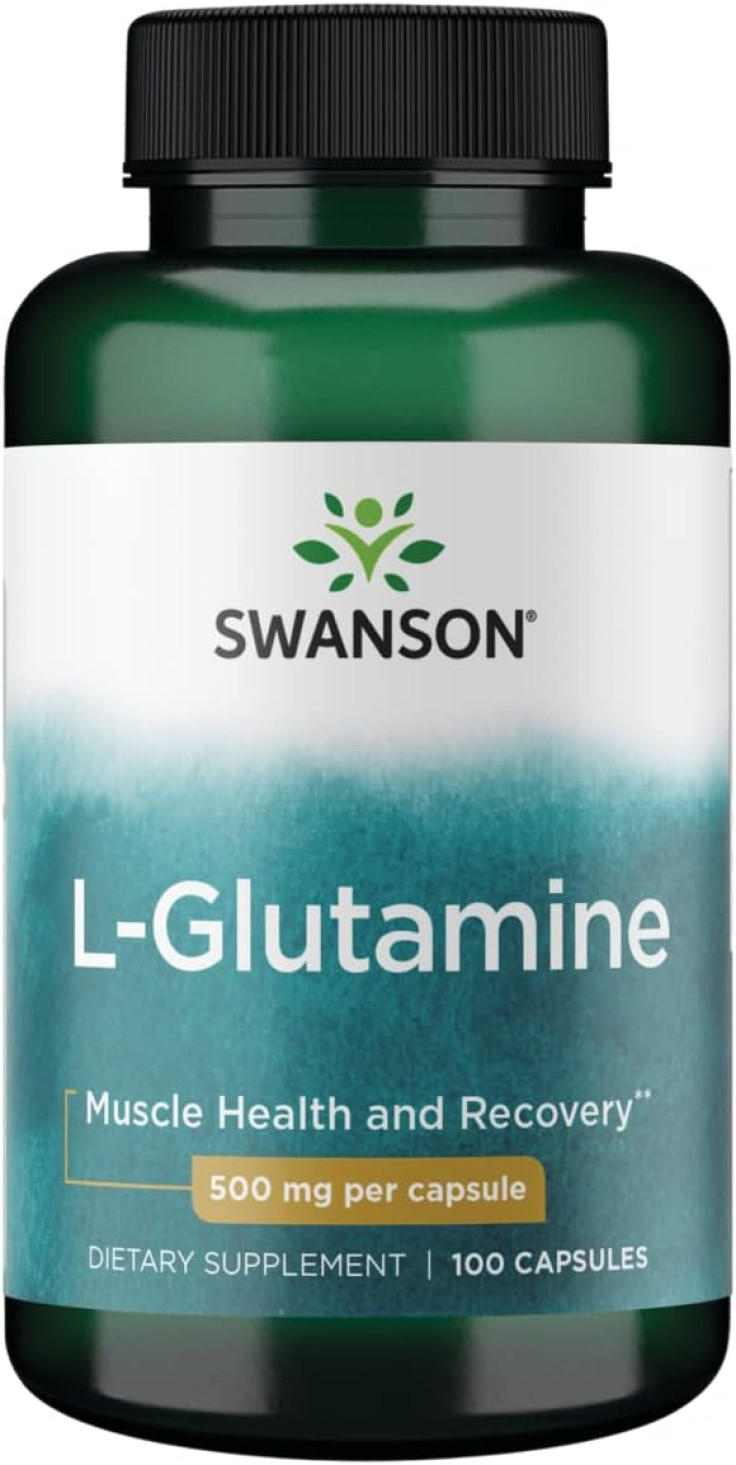
Why Your Gut Might Need a Little L-Glutamine Love
Life's tough on our guts. Stress, poor diet, infections, certain medications... they all can wreak havoc on that delicate lining. When your body is under stress (physical or emotional), it might not produce enough L-Glutamine on its own. This can lead to a deficiency, which can then contribute to gut problems. So, adding a supplement can be a real help, especially if you’re dealing with:
- IBS (Irritable Bowel Syndrome): Many people with IBS find that L-Glutamine helps reduce symptoms like bloating and diarrhea.
- Leaky Gut: As mentioned before, L-Glutamine can help repair the intestinal lining.
- Inflammatory Bowel Disease (IBD): While not a cure, L-Glutamine may help manage symptoms and reduce inflammation.
- Food Sensitivities: By strengthening the gut lining, it might help reduce reactions to certain foods. I said might! Don't go eating a whole pizza if you're lactose intolerant just because you took some L-Glutamine.
Basically, if your gut feels like it's staging its own personal drama, L-Glutamine might be worth considering.
Choosing the Best L-Glutamine: Not All Supplements Are Created Equal
Okay, so you're sold on the idea of L-Glutamine. Now comes the fun part: wading through the sea of supplements to find one that's actually good. Here's what to keep in mind:
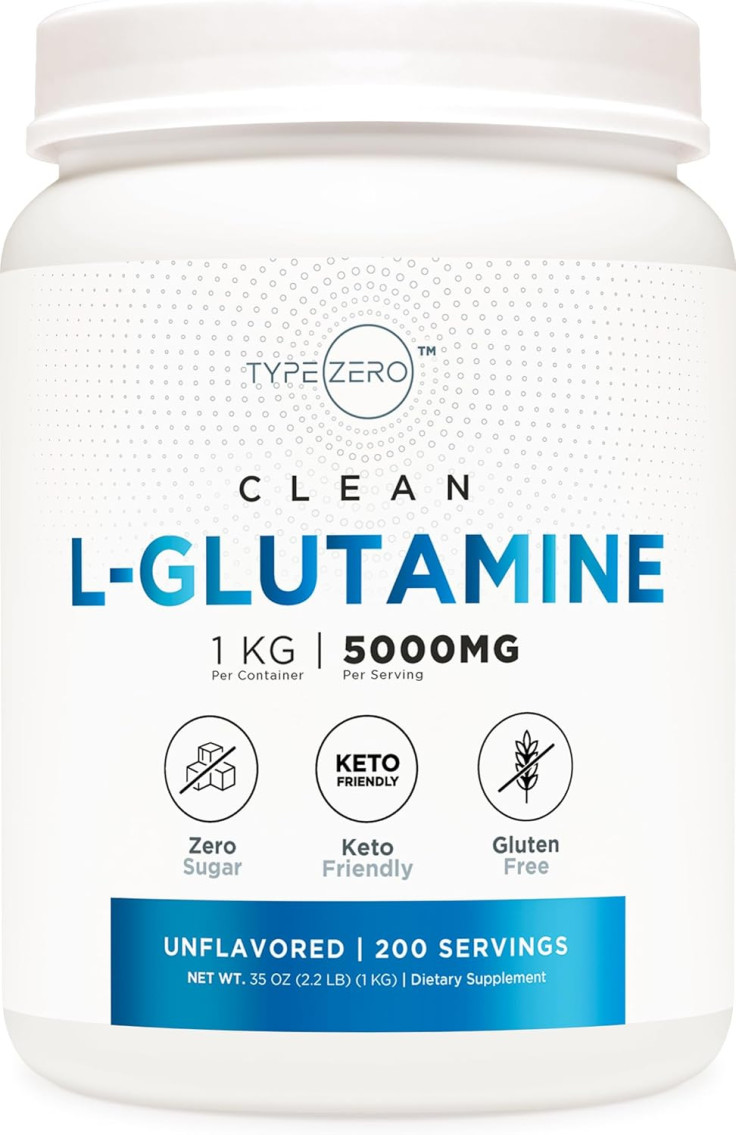
- Purity: Look for a brand that's been third-party tested. This means an independent lab has verified that the supplement contains what it says it does and is free from contaminants. No one wants extra surprises in their supplements, right?
- Form: L-Glutamine comes in powder and capsule form. Powder is generally cheaper and easier to take in larger doses. Capsules are more convenient if you're on the go. It's really a matter of personal preference.
- Ingredients: Check the label for any unnecessary fillers, artificial sweeteners, or allergens. Less is more, in my book.
- Reviews: Read what other people have to say about the product. Keep in mind that everyone's different, but a consistent stream of negative reviews is a red flag.
- Price: Don't necessarily go for the cheapest option. Quality often comes at a cost. But you also don't need to break the bank. Shop around and compare prices.
Pro tip: I often check out sites like Labdoor or ConsumerLab.com for independent supplement testing results. They do the research so you don’t have to!
How to Take L-Glutamine
Dosage can vary depending on your individual needs and the specific product you're using. A common starting point is 5 grams per day, taken in divided doses. Some people take it on an empty stomach, while others prefer to take it with food. Experiment and see what works best for you.
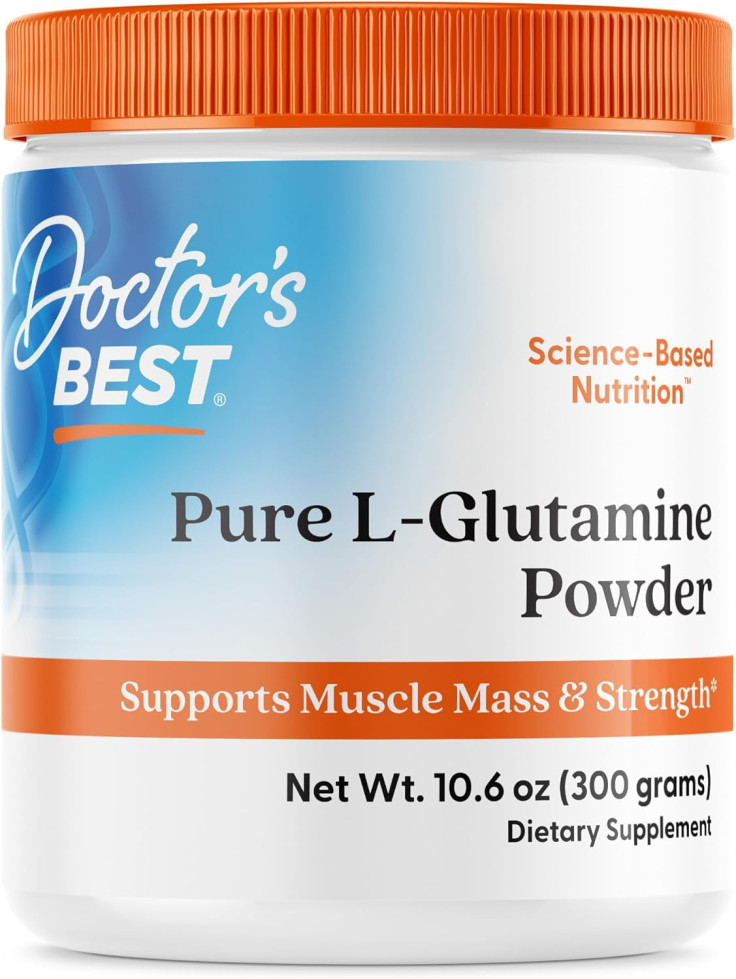
It's also a good idea to start with a lower dose and gradually increase it to avoid any potential side effects (which are generally mild but can include bloating or gas). And remember to drink plenty of water!
Is L-Glutamine Right For You?
Ultimately, the best L-Glutamine for you is the one that addresses your specific needs and helps you feel your best. It's a journey of experimentation and listening to your body. Don't be afraid to try different brands and dosages until you find what works. And, of course, always consult with your doctor or a registered dietitian before making any major changes to your supplement routine.
Now, if you’ll excuse me, I’m off to enjoy a non-bloated, vacation-level good day. Wish me luck!