Best Desktop For Photographers 2016
So, you're a photographer! That's fantastic. Whether you're snapping stunning landscapes, capturing precious family moments, or building a professional portfolio, you know that the camera is only half the battle. The other half? Post-processing. And that's where having the right desktop computer becomes absolutely crucial. Let's dive into what made a desktop the "best" for photographers back in 2016, and why these considerations are still relevant today.
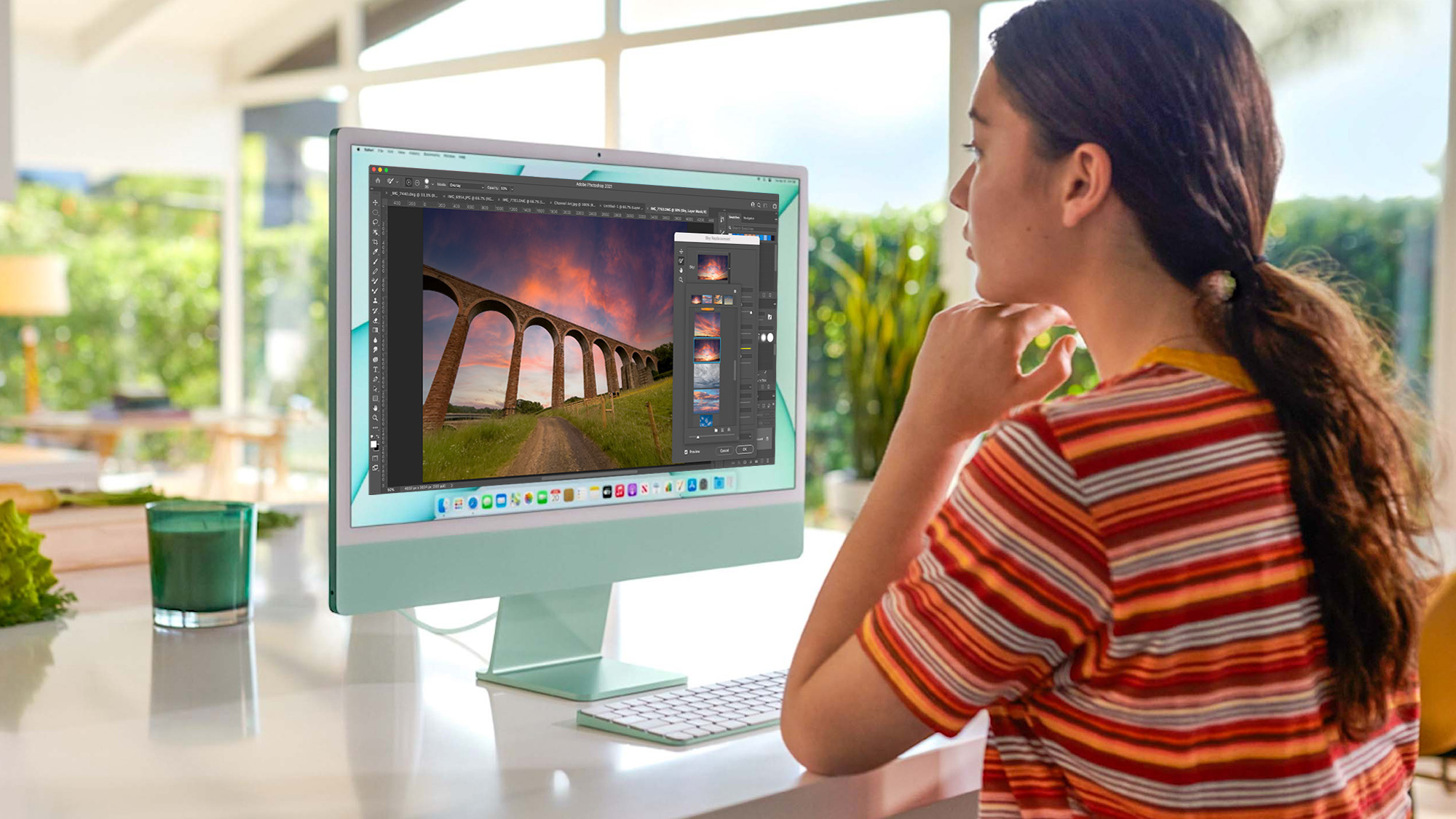
Why even bother thinking about a specific desktop for photography? Think of it this way: your computer is your digital darkroom. It's where your images go from raw potential to polished perfection. A slow, struggling computer can turn a creative passion into a frustrating chore. Imagine spending hours painstakingly editing a photo, only for the program to crash repeatedly, or to wait an eternity for each adjustment to render. Not fun! A powerful desktop, on the other hand, allows you to work smoothly and efficiently, unlocking your creative potential and letting you focus on what you love: photography.
In 2016, the key benefits of a top-tier photography desktop were primarily focused on raw processing power, ample storage, and accurate display capabilities. We're talking about things like:
Must Read
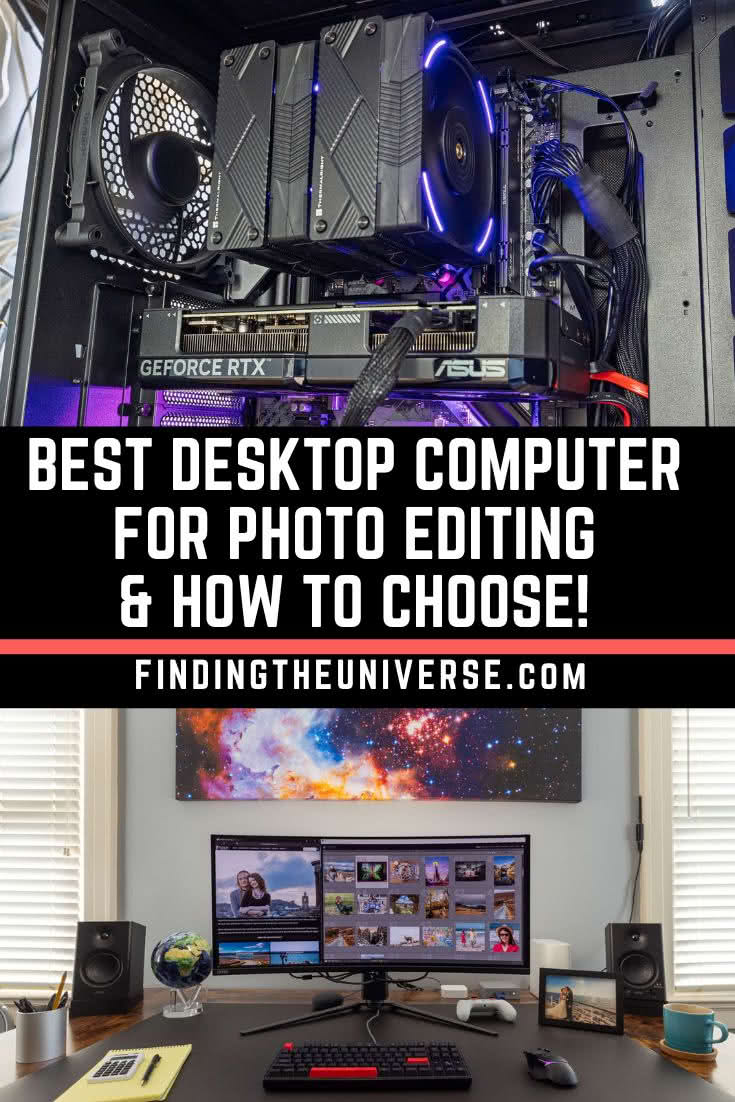
- Fast Processors: Intel Core i7 processors were king, allowing for quick rendering and processing of large RAW files. Think of it as the engine of your darkroom.
- Sufficient RAM: At least 16GB of RAM was considered essential, and 32GB was even better, allowing you to work with multiple images and layers in programs like Photoshop and Lightroom without slowdowns. RAM is like the workbench where you juggle all your tasks.
- Dedicated Graphics Card: While not always strictly necessary, a dedicated GPU (like an Nvidia GeForce or AMD Radeon card) significantly sped up certain tasks, especially those involving complex filters and effects. This is your power tool for specific tasks.
- Ample Storage: Fast storage was also a must. SSDs (Solid State Drives) were becoming increasingly popular for the operating system and editing software, offering much faster load times than traditional hard drives. A large secondary hard drive (HDD) was perfect for storing your ever-growing photo library. Consider this your storage cabinet for all your materials.
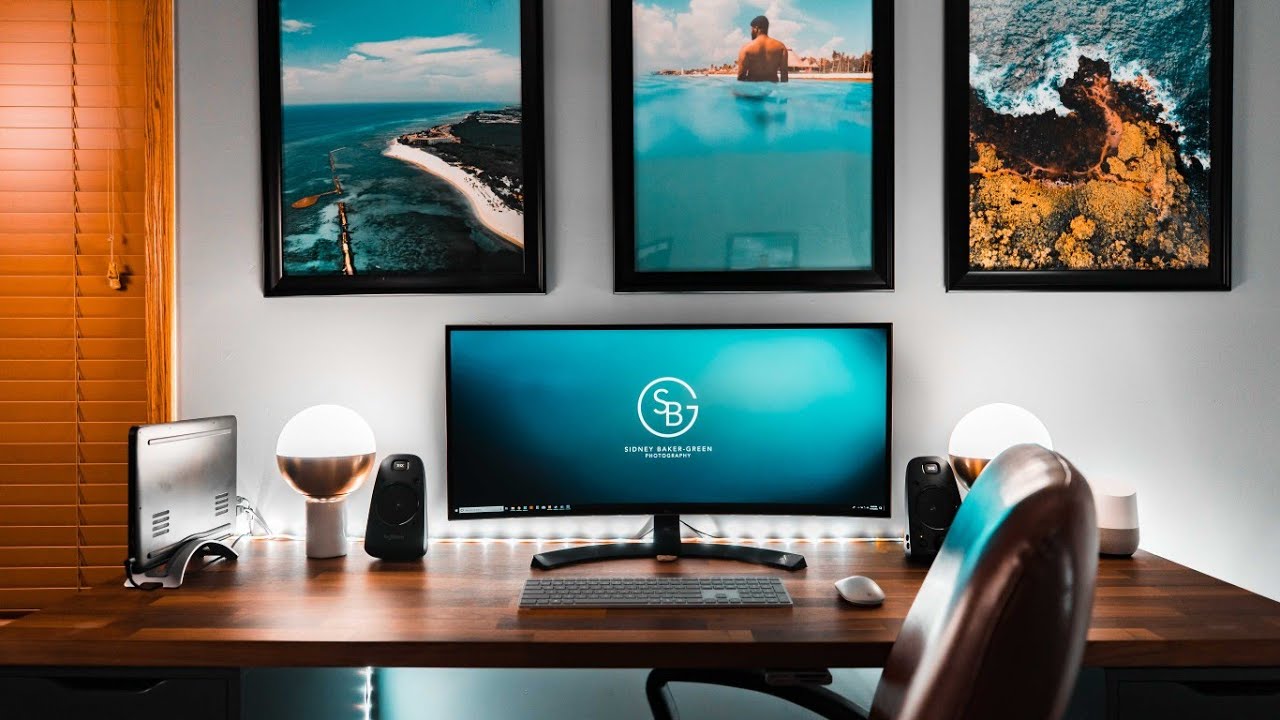
- Color-Accurate Monitor: This is arguably the most important component. A monitor that accurately displays colors is essential for making critical editing decisions. Look for monitors with wide color gamuts (like Adobe RGB) and the ability to be calibrated. This is your "eye" in the digital darkroom.
How did photographers use these powerful desktops? In educational settings, students could learn advanced editing techniques without being hampered by slow equipment. In professional studios, photographers could quickly process client images and meet deadlines. Even amateur photographers benefited from the ability to experiment with different editing styles and push their creative boundaries.
While the specific components may have evolved since 2016, the core principles remain the same. Consider the advice applicable to any photographer building or buying a machine today. What are some practical steps you can take to explore this further? Research processors and graphics cards to understand the performance differences. Learn how to calibrate your monitor for accurate color reproduction. And most importantly, experiment with different editing software and see what works best for your workflow. You don’t need to buy a whole new computer, necessarily. Start small! Consider upgrading your RAM or adding an SSD to your existing machine to see how much of a difference it makes. Happy editing!