
Best Brand Of Carbon Monoxide Detector
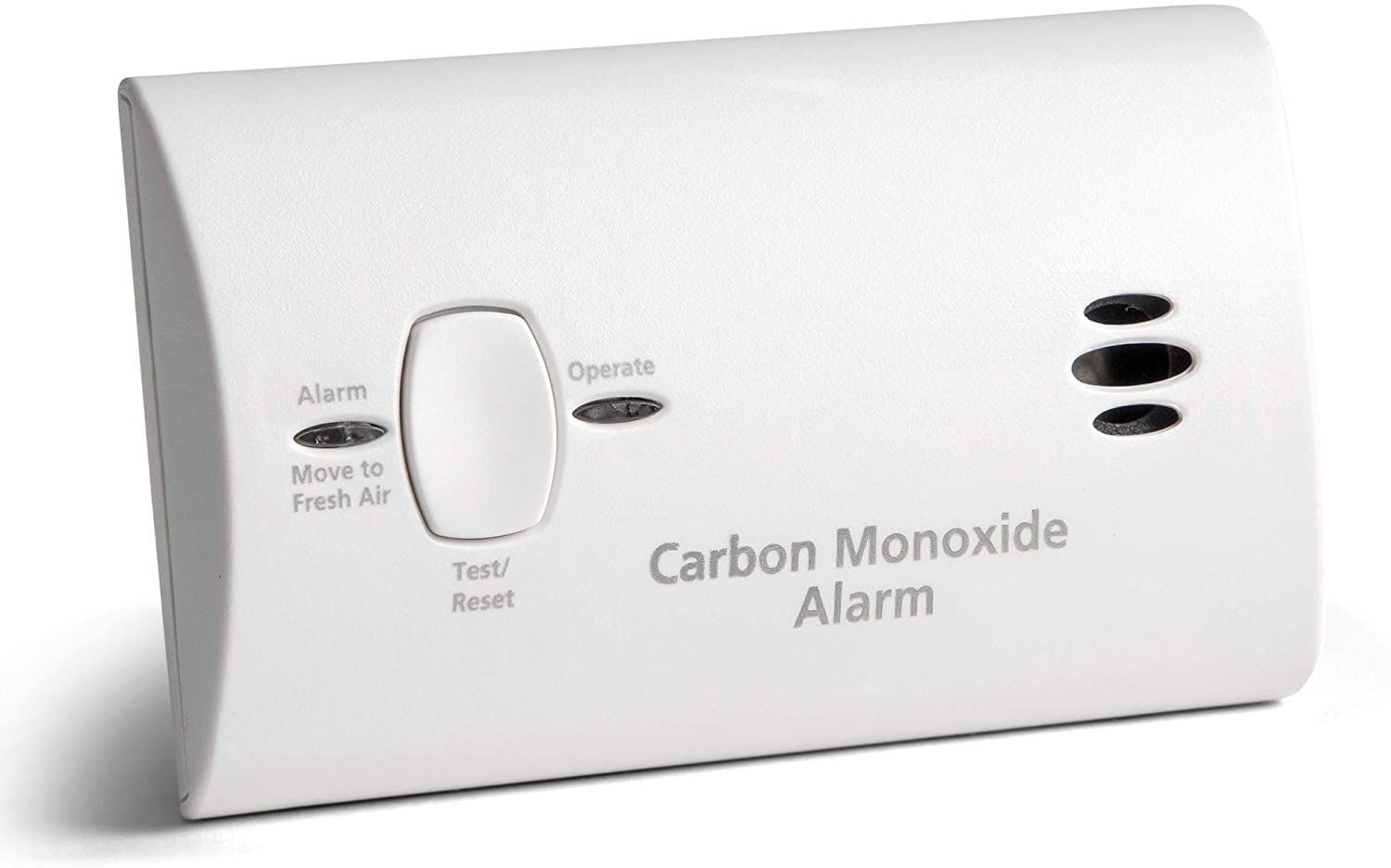
Hey there, friend! Let's chat about something super important, but usually about as exciting as watching paint dry: carbon monoxide detectors. Yawwwwn. I know, I know, not exactly "thrills and spills," but trust me, this little gadget is a silent superhero that deserves a standing ovation (or at least a place on your wall!).
We're talking about Carbon Monoxide (CO), often dubbed the "silent killer." Sounds dramatic, right? Well, it kinda is. It's a colorless, odorless, tasteless gas that can sneak into your home like an uninvited guest, but instead of just hogging the snacks, it can make you really, really sick... or worse. It's produced by everyday fuel-burning appliances like furnaces, water heaters, gas stoves, and even fireplaces if they're not working correctly. You can't see it, smell it, or taste it, which is why it's so incredibly dangerous. Think of it as the ultimate stealth ninja of household hazards.
So, having a trusty CO detector is like having a tiny, vigilant bodyguard for your lungs, working 24/7 without asking for overtime. And who doesn't want that kind of peace of mind? It's literally a lifesaver, and honestly, one of the easiest home safety decisions you'll ever make!
Must Read
"Which One Do I Even Pick?!" - The Great Detector Dilemma
Now, if you've ever tried to buy one, you've probably stood in the aisle, staring at a sea of identical-looking boxes thinking, "Which one do I even pick?" Kidde? First Alert? What's a 'Nest Protect' and why does it look like a fancy coaster? It can be a bit overwhelming, like trying to choose your favorite potato chip flavor when they all look equally delicious (but only one will actually deliver on that cheesy goodness). Fear not, my friend! I'm here to cut through the noise, skip the jargon, and help you find the best brand of CO detector that'll keep you safe without breaking the bank or your brain cells. Let's get cracking!
The Superpowers Every CO Detector Needs
Before we dive into specific brands, let's quickly chat about what makes a CO detector a good CO detector. Think of it like buying a car; you want good gas mileage and comfy seats, not just a flashy paint job.
-
Sensor Life: Most detectors have a lifespan, usually 5-7 years. After that, their internal sensors just aren't as accurate. They basically retire gracefully, even if they look perfectly fine. So, always check the expiration date! It's like milk, but for safety – nobody wants expired safety.
-
Battery Type: This is a big one for convenience! Some have sealed 10-year batteries (hooray, no more midnight chirping when the battery is low!). Others take regular AAs or 9Vs that you swap out. Both are fine, but the 10-year sealed ones are pretty sweet for ultimate peace of mind and less hassle. Imagine ten years of never hearing that dreaded low-battery chirp at 3 AM! Bliss!
7 Best Carbon Monoxide Detectors (2025 Reviews) | House Grail -
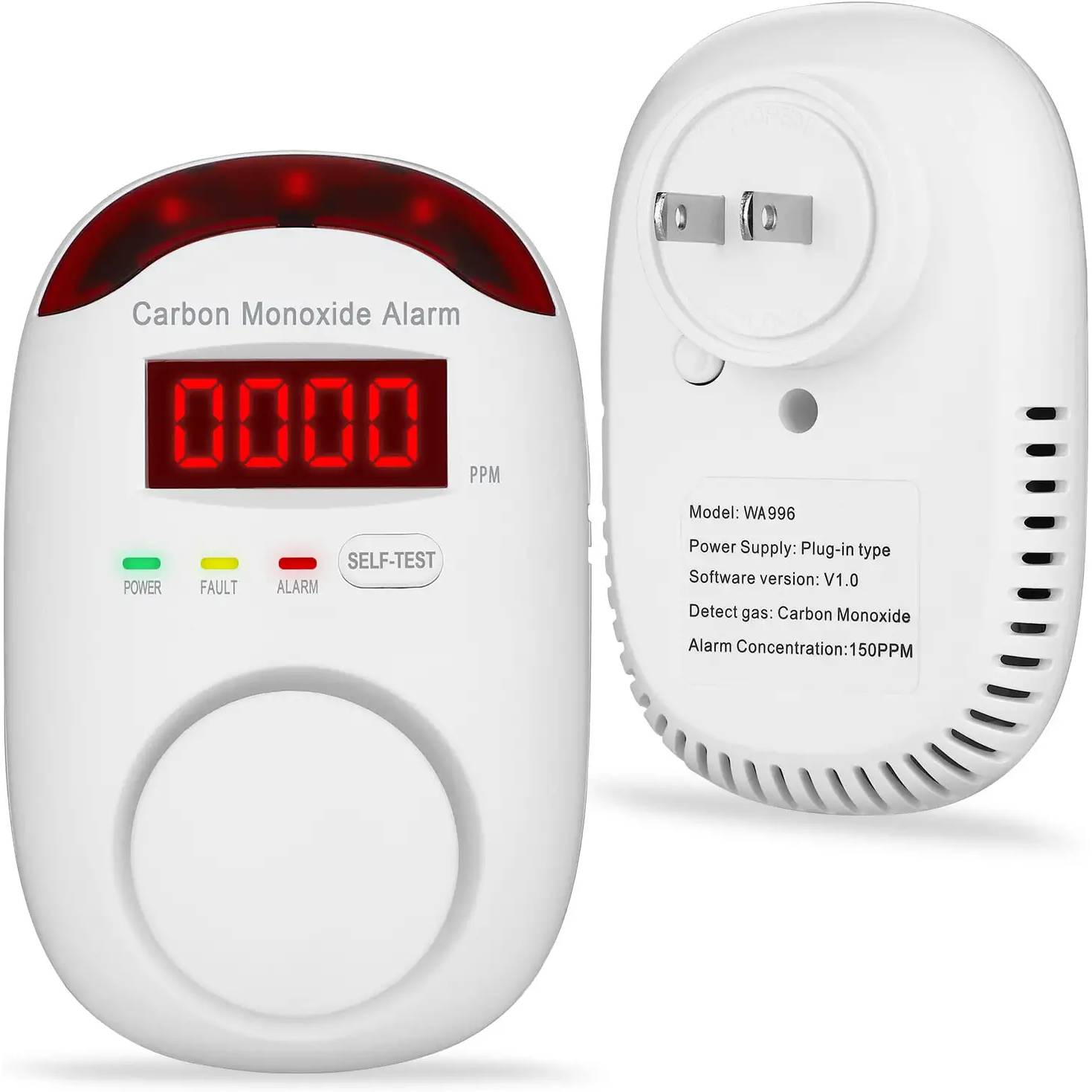
Digital Display: Not a deal-breaker, but super helpful! It shows you the CO levels in parts per million (PPM). It's like having a little thermometer, but for invisible gas. This can give you an early warning or help you understand if something is just a small hiccup or a serious issue.
-
Combination Units: Many detectors now come bundled with smoke alarms. Two birds, one stone! Less clutter, fewer batteries to fuss with, and more safety. It's like getting a two-for-one deal on your favorite snack, but for protecting your entire family!
-
UL Listing: This is the stamp of approval you absolutely want to see. It means the product meets strict safety standards set by Underwriters Laboratories. If it doesn't have it, well, walk away. Just like you wouldn't trust a hot dog stand without a health inspection sticker, right?
The Champions of Carbon Monoxide Detection
Okay, drumroll please! While there isn't one single "holy grail" brand that's going to win an Olympic gold medal, there are definitely a few champions that consistently deliver reliability and peace of mind.
Kidde: The Reliable Workhorse
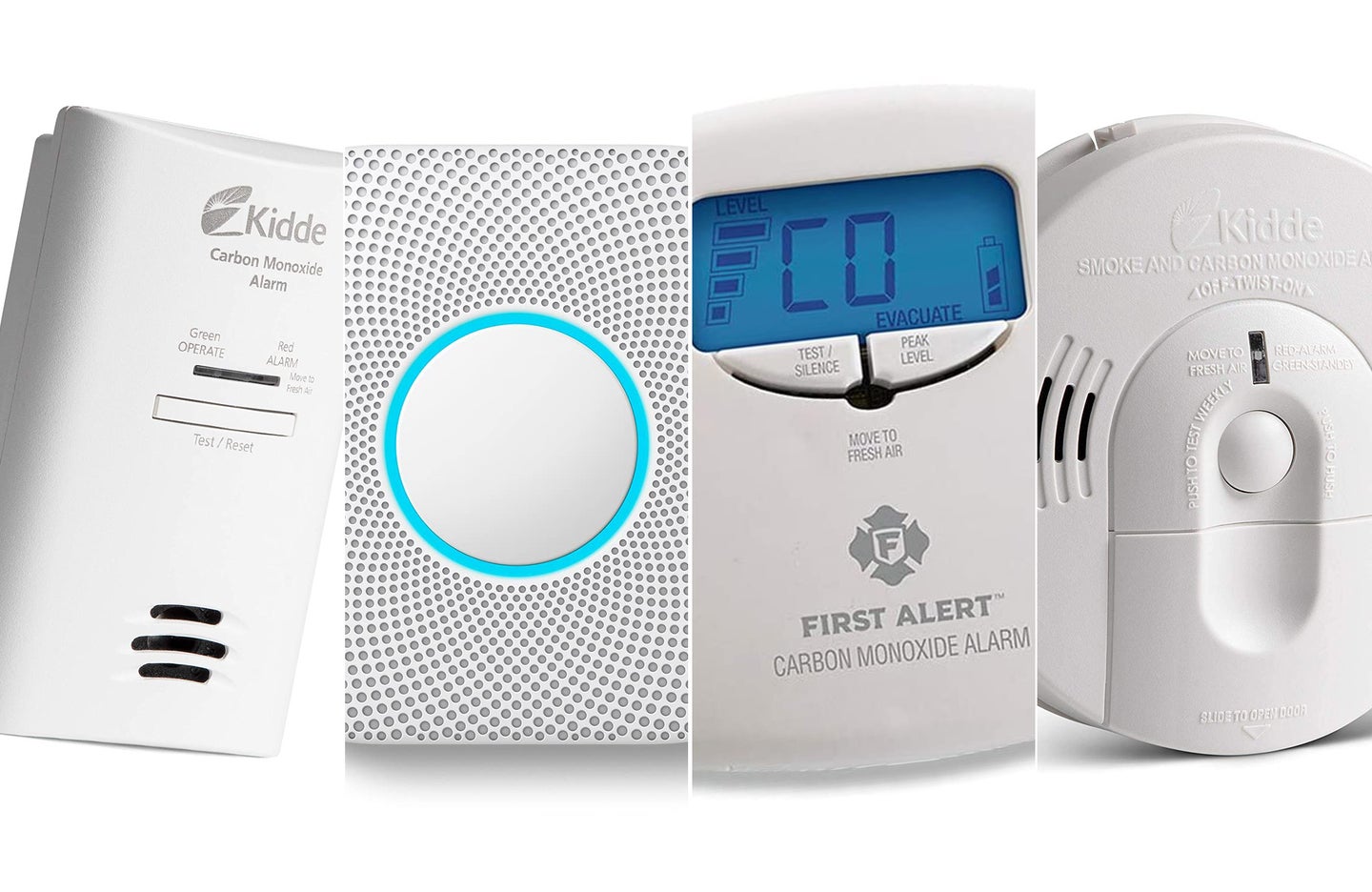
If you've seen a CO detector, chances are it was a Kidde. They're like the Toyota Camry of CO detectors – reliable, everywhere, and they just work. They offer a huge range, from basic plug-ins to hardwired units and combination smoke/CO alarms. You can't really go wrong with a Kidde; they’re the dependable friend who always shows up on time with snacks and never lets you down. They've been in the safety game for ages and have a solid reputation you can trust.
First Alert: The Trusty Companion
Another big player, First Alert is right up there with Kidde. Think of them as the Honda Civic – equally reliable, excellent reputation, and a fantastic array of options. They're often found side-by-side with Kidde on store shelves, and for good reason. They both offer various models, including those with 10-year sealed batteries and digital displays, making them solid choices that have been keeping homes safe for ages. You really can't go wrong choosing between these two titans of home safety.

Google Nest Protect: The Smarty Pants of Safety
Now, if you're a bit of a tech wizard or just love smart home gadgets, the Nest Protect is pretty cool. It's a smoke AND CO alarm that connects to your phone. It can tell you where the danger is, even talk to you in a calm voice (no more ear-splitting shrieks!), and runs self-tests. If something's amiss, you'll get alerts on your phone, even when you're not home. It's like the Tesla of detectors – sleek, smart, but definitely comes with a fancier price tag. If you want the bells and whistles (and don't mind the splurge), Nest is a fantastic, modern choice for integrating safety into your smart home ecosystem.
Installation and Maintenance: Your Detector's Spa Day
Just buying one isn't enough, my friend! You gotta treat your CO detector right to make sure it's always ready for action. Think of it as giving your superhero the right uniform and regular training!
-
Placement is Key: Don't put it right next to your furnace or stove, as minor CO emissions from those appliances during normal operation can cause nuisance alarms (aka false alarms that make you jump out of your skin). Instead, put them on every level of your home, especially near sleeping areas. Ideally, one outside each sleeping area and one on each additional level of your home. Think of it as placing your bouncers strategically at a party – covering all the entrances!

The 7 Best Carbon Monoxide Detectors of 2025 -
Test It Regularly: Most detectors have a little test button. Push it once a month! It’ll probably make a loud noise, so maybe warn the cat (and your significant other) first. This ensures the alarm is working properly.
-
Replace It When It Expires: Remember that expiration date? Mark it on your calendar! When it expires, replace it. Don't be that person still using a flip phone because "it still works" – safety tech ages, and it's not a fashion statement, it's a life statement!
Breathe Easy, My Friend!
So, there you have it! While there's no single "holy grail" brand, sticking with Kidde or First Alert will get you a reliable, no-fuss guardian for your home. If you're feeling fancy and love smart tech, Google Nest Protect is your go-to.
The main takeaway? Just get one! Or two! Or three! Don't let the "silent killer" catch you off guard. It's such a simple, relatively inexpensive way to protect yourself and your loved ones from something truly dangerous. This isn't just about avoiding a scary incident; it's about giving yourself the peace of mind that comes with knowing you've taken a vital step to ensure your family's safety.
So go on, grab a CO detector (or several!), install it, test it, and then kick back, relax, and breathe easy. You've just made your home a whole lot safer, and that, my friend, is something truly wonderful to smile about! Now go enjoy that crisp, clean air – responsibly detected, of course!