
Best Air Filter For Mold Spores
Okay, mold. Just the word sends shivers down my spine, and probably yours too! We're talking about those sneaky spores that can turn your cozy abode into a not-so-cozy science experiment.
And when it comes to fighting these microscopic monsters, your first line of defense is a trusty air filter.
The Moldy Menace: Why We Care
Mold isn't just an eyesore; it can be a real health hazard. We're talking allergies, asthma flare-ups, and other not-so-fun respiratory issues.
Must Read
Imagine your home is a delicious pizza (stick with me here!). Mold spores are like uninvited ants crashing the party.
They want to feast on your walls, your furniture, and basically anything organic. Nobody wants that!
Enter the Air Filter: Your Mold-Busting Superhero
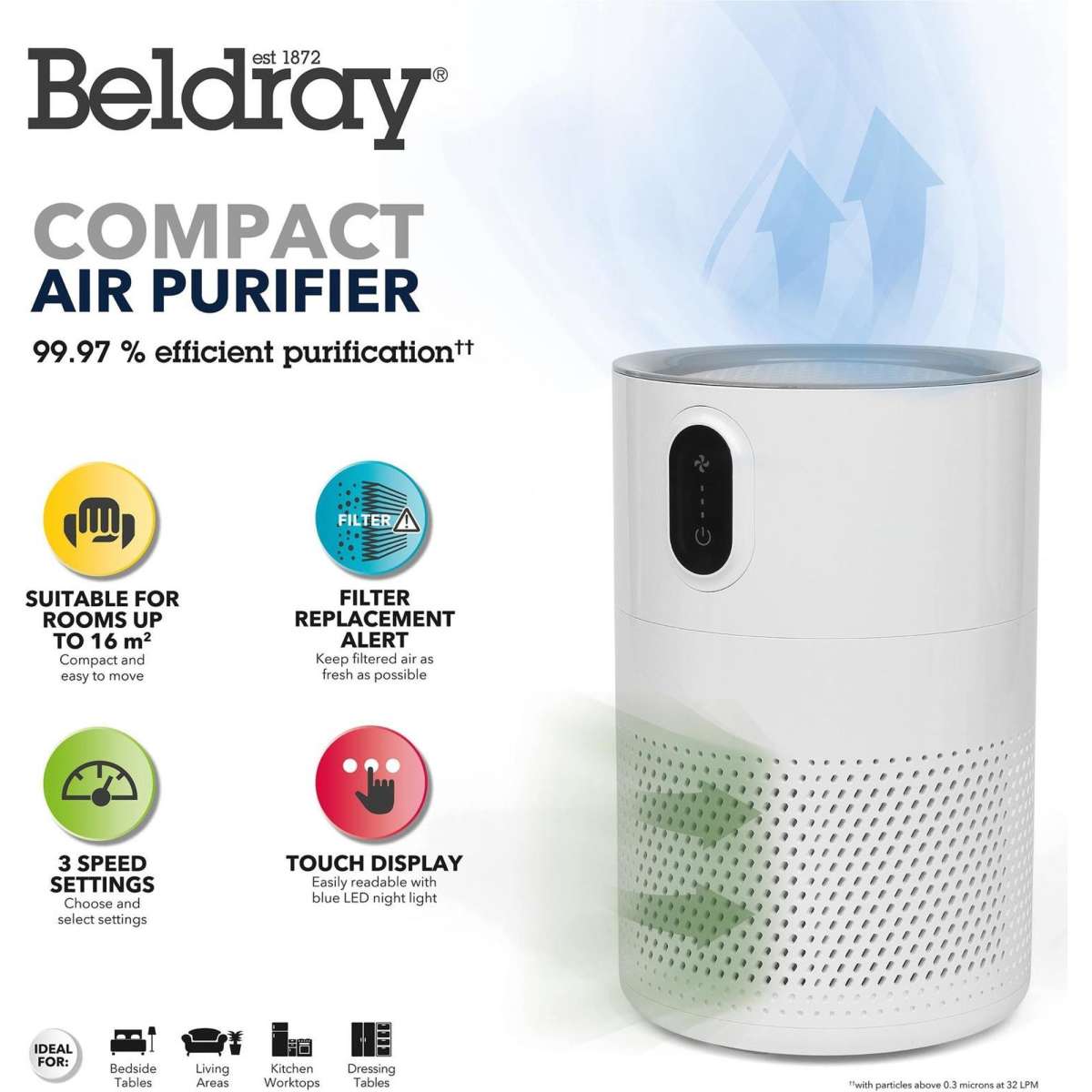
An air filter is like a tiny superhero armed with a net, ready to capture those pesky mold spores floating around your air.
But not all heroes are created equal! Some are stronger, faster, and better equipped to handle the moldy mayhem.
So, how do you choose the right champion for your home?
Decoding the Alphabet Soup: Understanding Air Filter Ratings
Here's where things can get a little technical, but don't worry, we'll keep it simple! The key thing to look for is the MERV rating.
MERV stands for Minimum Efficiency Reporting Value (say that five times fast!). It essentially tells you how well a filter captures particles of different sizes.
Think of it like this: the higher the MERV rating, the smaller the holes in the net, and the more particles it catches.
MERV 8-11: The Everyday Defenders
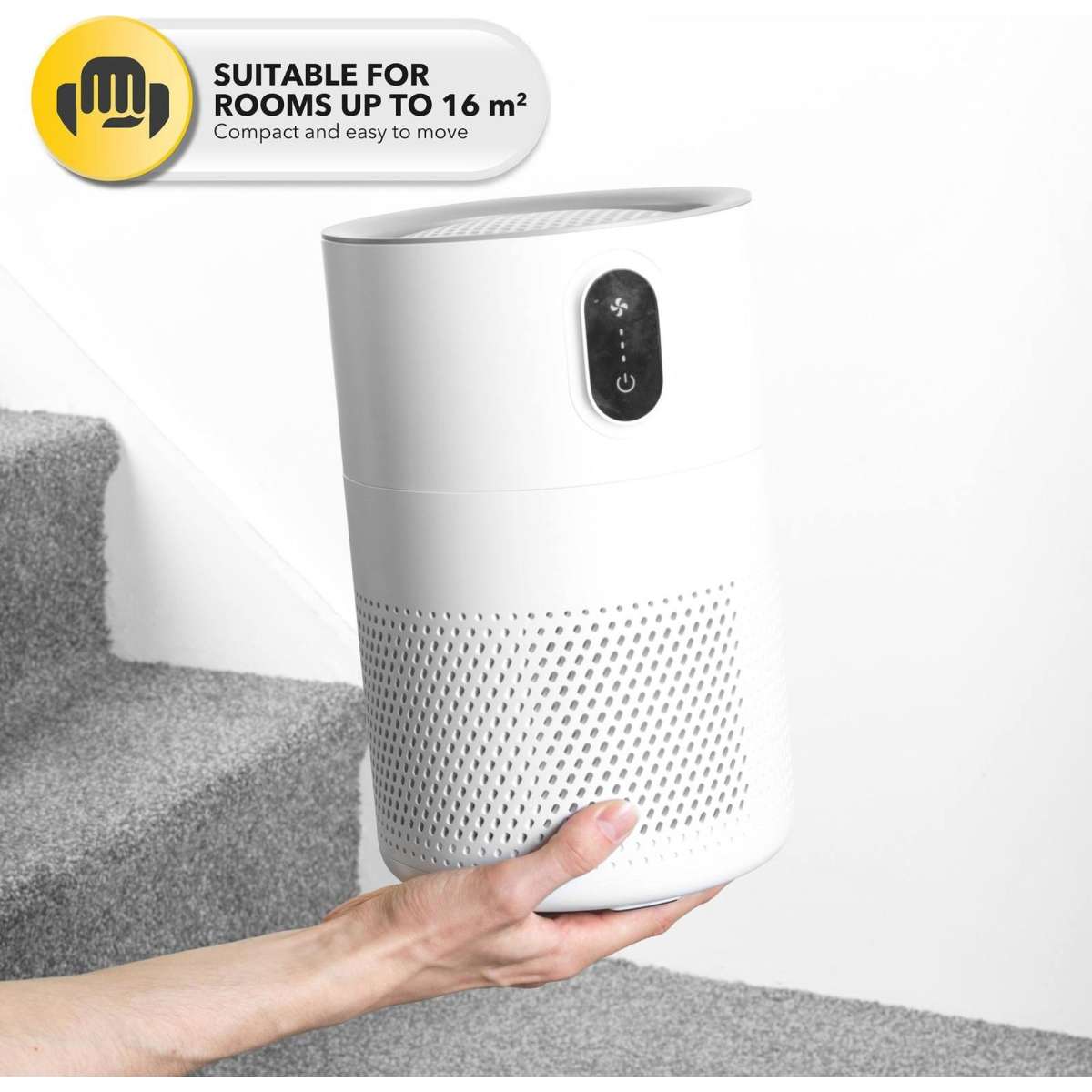
These filters are your basic, everyday heroes. They're great for capturing dust, pollen, and pet dander.
They'll snag some mold spores, but they're not the ultimate mold-busting weapon.
Imagine them as the friendly neighborhood Spider-Man – helpful, but not quite ready to take on the Green Goblin of mold.
MERV 13 and Higher: The Mold-Busting Ninjas
Now we're talking serious mold-fighting power! MERV 13 filters and above can capture smaller particles, including a significant percentage of mold spores.
These are the elite ninjas of the air filter world, silently and efficiently eliminating the mold threat.
They're like Batman, lurking in the shadows, protecting your home from the evils of mold.
HEPA Filters: The Heavy Hitters
If you're dealing with a serious mold problem, consider a HEPA (High-Efficiency Particulate Air) filter. These are the absolute top-of-the-line when it comes to air filtration.
HEPA filters are designed to capture 99.97% of particles 0.3 microns in size. That includes mold spores, bacteria, viruses – you name it!
They're the Hulk of air filters, smashing mold spores left and right. But be warned, they can be a bit pricier than your average filter.
Beyond the MERV Rating: Other Factors to Consider
Choosing the right filter isn't just about the MERV rating. You also need to consider the size of your home and the type of HVAC system you have.
A filter that's too restrictive can put a strain on your furnace or air conditioner. It's like trying to run a marathon in flip-flops – not a good idea!
Check your HVAC system's manual for recommended filter sizes and types.

Filter Size: Getting the Perfect Fit
Make sure you choose a filter that fits snugly in your HVAC system. A gap around the edges is like an open invitation for mold spores to sneak through.
Measure your existing filter or check the filter compartment in your unit to determine the correct size.
It's like finding the perfect pair of jeans – comfortable, stylish, and prevents any unwanted drafts (of mold spores, that is).
Filter Thickness: The More, the Merrier?
Filters come in different thicknesses, typically ranging from 1 to 5 inches. Thicker filters generally have more surface area, which means they can trap more particles and last longer.
However, thicker isn't always better. Again, check your HVAC system's manual to ensure you're using the appropriate thickness.
Think of it like cake: a thicker slice can be delicious, but too much can leave you feeling overwhelmed (and your HVAC system feeling overworked).
Activated Carbon Filters: Odor Eliminators
Some air filters also contain activated carbon, which helps to remove odors and volatile organic compounds (VOCs) from the air.
This is a great option if you're concerned about musty smells associated with mold growth. It's like adding a sprig of mint to your lemonade – a refreshing bonus!
However, activated carbon filters don't necessarily capture more mold spores. They just make your air smell nicer.
Maintaining Your Mold-Fighting Fortress: Regular Filter Changes
Even the best air filter can't work miracles forever. Over time, it will become clogged with dust, pollen, and, yes, mold spores.
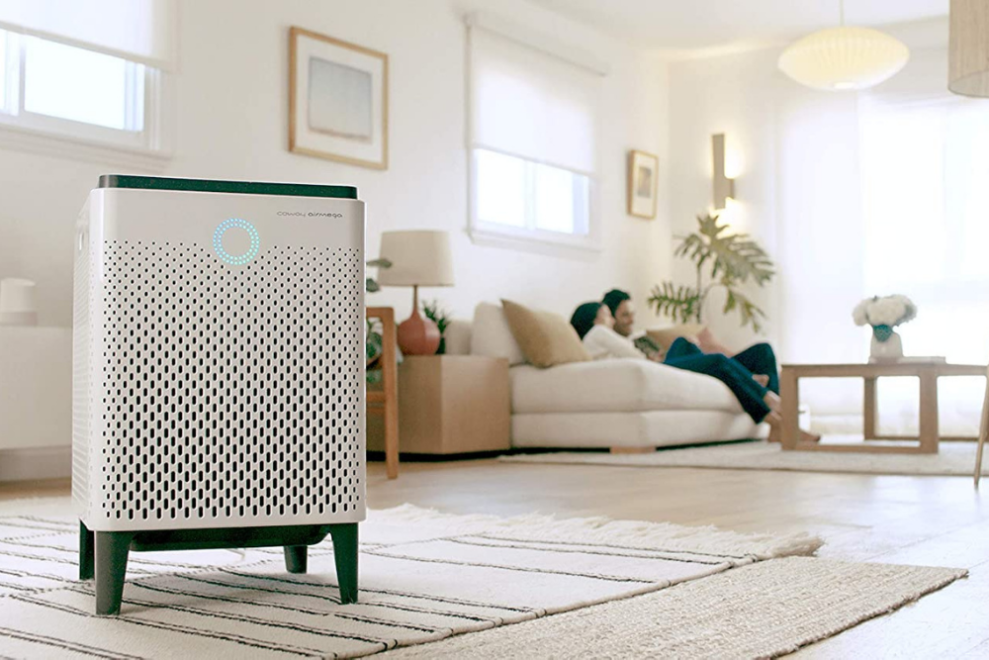
A clogged filter reduces airflow, making your HVAC system work harder and less efficiently. It's like trying to breathe through a straw that's full of cotton candy – nearly impossible!
That's why it's important to change your air filter regularly. How often? It depends on the type of filter, your home's air quality, and whether you have pets or allergies.
General Guidelines: When to Swap It Out
As a general rule, change your air filter every 1-3 months. If you have pets or allergies, or if you live in an area with high levels of pollen or dust, you may need to change it more frequently.
A good way to remember is to set a reminder on your phone or calendar. It's like scheduling a dentist appointment – not the most exciting thing in the world, but essential for your health!
You can also visually inspect your filter. If it looks dirty or clogged, it's time for a replacement.
Beyond Air Filters: A Holistic Approach to Mold Control
While a good air filter is an essential weapon in the fight against mold, it's not a silver bullet. You also need to address the underlying causes of mold growth.
That means controlling humidity levels, fixing leaks, and cleaning up any existing mold infestations. Think of it as a multi-pronged attack on the moldy menace!
A good air filter is a crucial piece of the puzzle, but it's not the whole picture.
Controlling Humidity: Mold's Kryptonite
Mold thrives in damp, humid environments. Keep your home's humidity levels below 60% to prevent mold growth.
Use a dehumidifier in damp areas like basements and bathrooms. It's like depriving mold of its favorite watering hole!
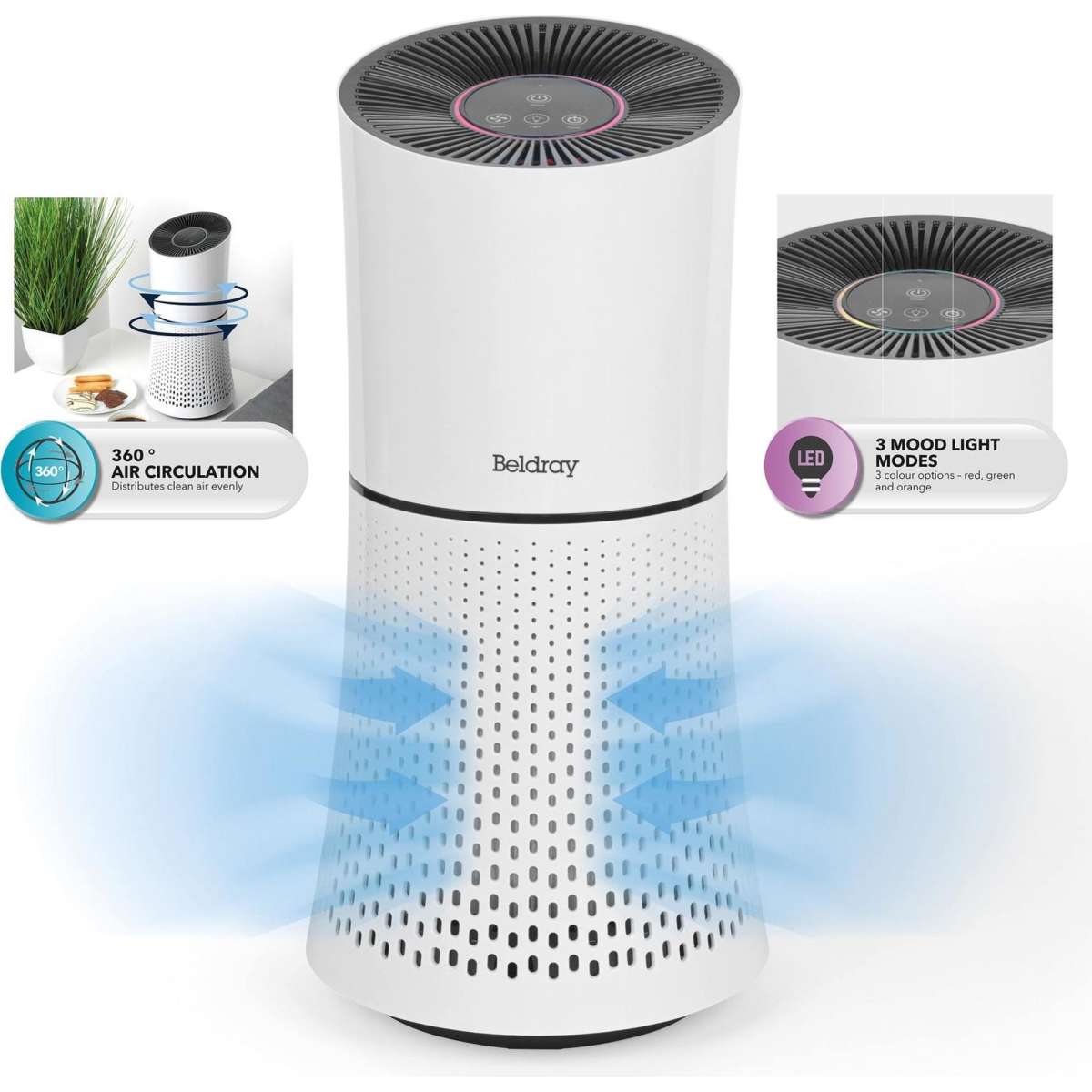
Proper ventilation is also key. Open windows when the weather permits, and use exhaust fans in kitchens and bathrooms.
Fixing Leaks: Cutting Off the Water Supply
Leaky pipes, roofs, or windows can provide the moisture that mold needs to grow. Repair any leaks promptly to prevent mold from taking hold.
Regularly inspect your home for signs of water damage, such as stains, discoloration, or peeling paint. It's like being a detective, searching for clues that could lead to a mold infestation!
Addressing water damage quickly is crucial to preventing mold growth.
Cleaning Up Existing Mold: Eradicating the Enemy
If you have a small mold infestation (less than 10 square feet), you may be able to clean it up yourself using a mold-killing cleaner and a scrub brush.
Be sure to wear gloves, a mask, and eye protection to protect yourself from mold spores. It's like gearing up for battle!
For larger mold infestations, it's best to call in a professional mold remediation company. They have the expertise and equipment to safely and effectively remove the mold.
The Takeaway: Breathe Easy and Choose Wisely!
Choosing the right air filter for mold spores is a crucial step in protecting your home and your health. Remember to consider the MERV rating, filter size, and other factors, and don't forget to change your filter regularly.
With the right air filter and a proactive approach to mold control, you can breathe easy and enjoy a healthy, mold-free home.
Now go forth and conquer those mold spores! You've got this!