
Best 9 Volt Batteries For Smoke Detectors
Okay, picture this: It’s 3 AM. You’re deep, deep in the land of nod, dreaming of... well, probably something delicious. Then, out of nowhere, a high-pitched, insistent chirp pierces the silence. Not a regular alarm, not a phone, just that maddening, almost passive-aggressive single chirp. You groan, you roll over, you try to ignore it. Maybe it'll stop? (Spoiler alert: it won't.) After about three more rounds of this auditory torture, you finally drag yourself out of bed, stumble through the dark, convinced a ghost is mocking you, only to realize the culprit is your friendly neighborhood smoke detector, letting you know its 9-volt heart is about to give out. Sound familiar? Because it is for me. Every. Single. Time.
That infuriating chirp isn't just a rude awakening; it's a critical safety reminder. But let's be real, who actually enjoys playing detective in the middle of the night, trying to pinpoint which detector in a sea of identical white circles is the one staging a battery protest? Nobody, that's who. And that, my friends, is precisely why we need to talk about the unsung heroes of home safety: the best 9-volt batteries for your smoke detectors. Because a little proactive battery love can save you a whole lot of sleep – and potentially a whole lot more.
Why Your Smoke Detector Battery Matters More Than You Think
You might think, "A 9-volt is a 9-volt, right? Just grab whatever's cheapest." And while that might fly for your kid's remote control car (bless its noisy heart), it's a bit of a gamble when it comes to something designed to protect your life and home. Smoke detectors aren't constantly drawing power, but when they do, they need a consistent, reliable juice. And when that battery starts to fade, it doesn't just quietly give up; it chirps. Repeatedly. At the worst possible moment. Trust me on this one.
Must Read
So, what makes a 9-volt battery great for a smoke detector?
- Longevity: This is probably at the top of everyone's list. We want a battery that can go the distance, minimizing those midnight chirps and annual ladder climbs.
- Reliability: It needs to deliver consistent power throughout its lifespan, not just at the beginning. We're talking about a device that's supposed to save your life, after all.
- Stable Voltage Output: Some battery types maintain their voltage better than others as they discharge, which is crucial for sensitive electronics like smoke detectors.
Alkaline vs. Lithium: The Great 9-Volt Debate for Smoke Detectors
Alright, let's get into the nitty-gritty. When you're standing in the battery aisle, you're primarily looking at two types of 9-volt batteries: alkaline and lithium. And this is where the choice gets interesting.
The Good Old Alkaline: Your Reliable Workhorse
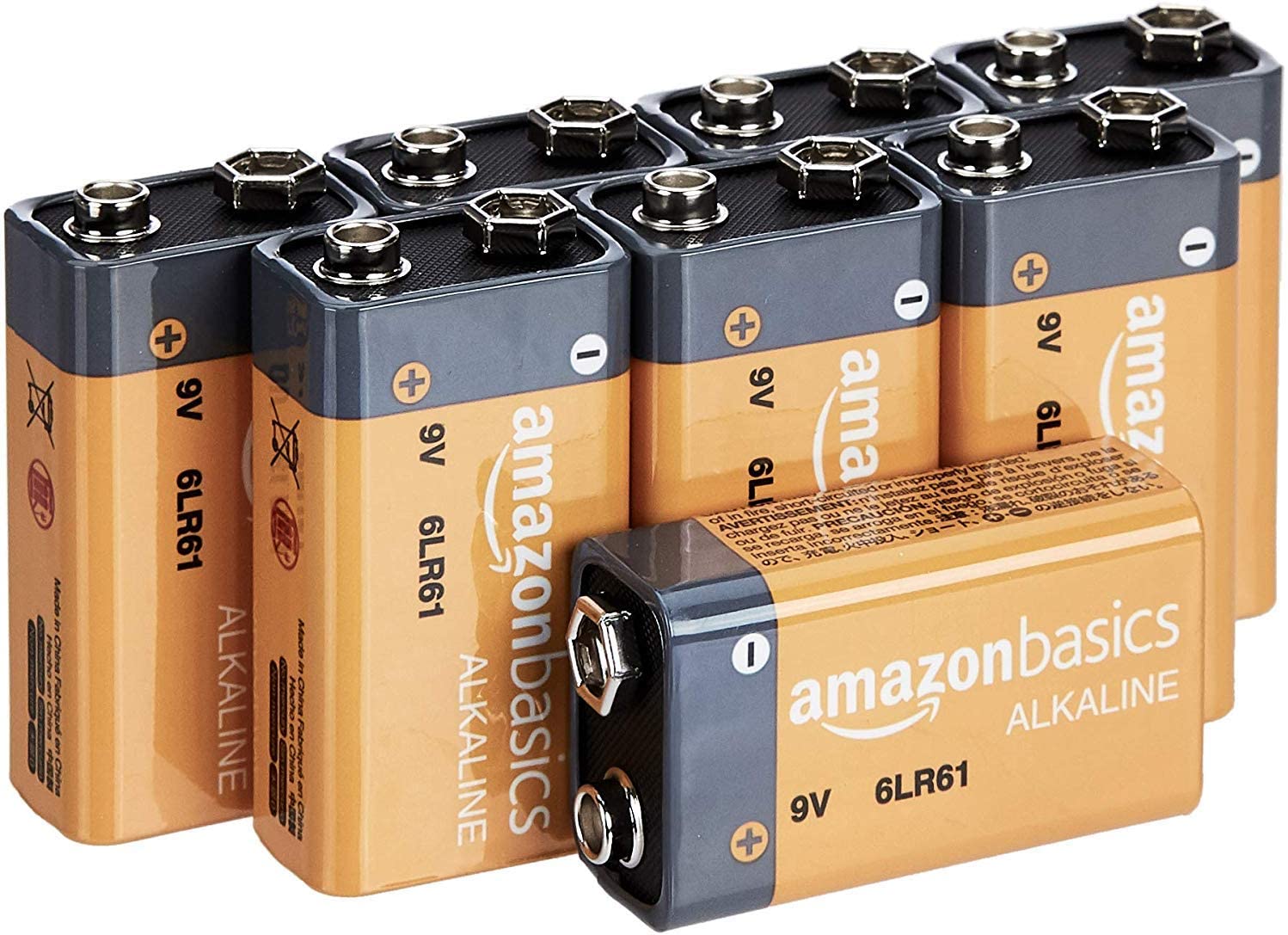
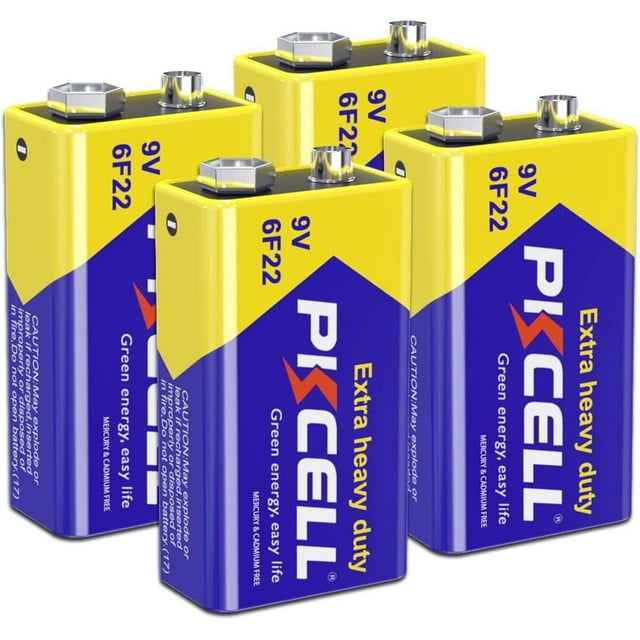
Most smoke detectors come with an alkaline 9-volt battery right out of the box, and that's usually what most of us reach for as a replacement. Brands like Duracell Coppertop and Energizer Max are the standard bearers here. They're:
- Affordable: Definitely the cheaper upfront option.
- Widely Available: You can find them anywhere.
- Effective: They do power your smoke detector just fine.
The catch? They typically last about 6-12 months in a smoke detector. This means you'll be swapping them out at least once a year. A common recommendation is to change them when you change your clocks for daylight saving time – a handy memory trick, if you can remember it!
Enter the Lithium Powerhouse: The Long-Haul Hero
Now, if you're like me and loathe climbing ladders or being woken by the dreaded chirp, let me introduce you to the lithium 9-volt battery. The undisputed champion in this category is the Energizer Ultimate Lithium 9V. Why is it so special?

- Incredible Longevity: This is the big one. Lithium batteries, especially the Energizer Ultimate Lithium, can last for up to 10 years in a smoke detector. Yes, you read that right – ten years. Imagine not having to think about that particular chore for a decade!
- Superior Performance in Extreme Temps: If your smoke detector is in a garage or an attic where temperatures fluctuate, lithium batteries perform better than alkaline ones.
- Lighter Weight: Not a huge factor for smoke detectors, but it's a bonus.
The trade-off? Cost. Lithium 9-volt batteries are significantly more expensive upfront than their alkaline counterparts. However, when you consider that one lithium battery replaces potentially 10 alkaline ones over its lifespan, the long-term value (and peace of mind) often makes it the smarter investment for critical devices like smoke detectors. Think of it as an insurance policy against future chirps.
What About Rechargeable 9-Volts?
You might be thinking, "Hey, what about rechargeable 9-volts? Save money and the environment!" And while I applaud the thought, they're generally not recommended for smoke detectors. Here's why:

- Lower Voltage: Most rechargeable 9-volts actually output around 8.4V or 7.2V when fully charged, which can drop even further with use, potentially triggering low-battery warnings prematurely or, worse, not providing enough power when needed.
- Self-Discharge Rate: Rechargeables tend to lose their charge faster when not in use compared to primary (non-rechargeable) batteries. You don't want your smoke detector battery slowly draining itself while waiting for an emergency.
So, for critical life-safety devices, stick to the primary (non-rechargeable) options.
My Recommendation (and a Friendly Nudge)
For my money, and for yours if you value your sleep and safety, the Energizer Ultimate Lithium 9V battery is hands-down the best choice for smoke detectors. The peace of mind that comes with knowing you won't hear that dreaded chirp for a decade is priceless. If budget is a really tight concern, then a quality Duracell Coppertop or Energizer Max alkaline battery will certainly do the job, but just make sure you set a recurring reminder to change it annually.
And speaking of reminders: please, please, please don't ignore that chirp. It's not just annoying; it's a warning. Change those batteries, test your detectors monthly (yes, really!), and sleep soundly knowing your home is protected. Your future well-rested self will thank you for it.
