Based On The Sign Of The Standard Cell Potential
Ever wonder how those cool science experiments magically determine whether a reaction will actually happen? Or how batteries manage to power our lives? The secret ingredient often boils down to something called the standard cell potential, and whether it's positive or negative. Sounds intimidating, right? But trust me, understanding this simple concept unlocks a surprisingly powerful way to predict and even visualize chemical reactions – and you don't need a lab coat to appreciate it!
For artists, hobbyists, and casual learners, grasping the significance of the standard cell potential's sign can be incredibly beneficial. Forget rote memorization; think of it as a predictive superpower. For example, if you’re experimenting with electroplating jewelry or creating DIY batteries for a small project, knowing whether the reaction will spontaneously occur (positive potential) or need an external energy source (negative potential) is crucial. You can save time, money, and avoid messy (or even dangerous!) situations.
Imagine you're trying to create a miniature zinc-copper battery – a classic experiment. If the standard cell potential calculation gives you a positive value, bingo! You know the reaction will proceed on its own, generating electricity. A negative value, however, indicates that you need to actively force the reaction by applying an external voltage – which might lead you to rethink your design. Another example: visualizing redox reactions with colored indicators becomes much clearer when you understand that a positive potential means the color change will happen naturally. Suddenly, those chemical demonstrations in movies make a whole lot more sense!
Must Read
Even understanding how to make simple copper sulfate crystals and which metals will dissolve spontaneously in the copper sulfate solution is dependant on whether you have a positive or negative cell potential. Knowing these reactions will (or will not) proceed and understanding their relative rates helps ensure safe laboratory practices.

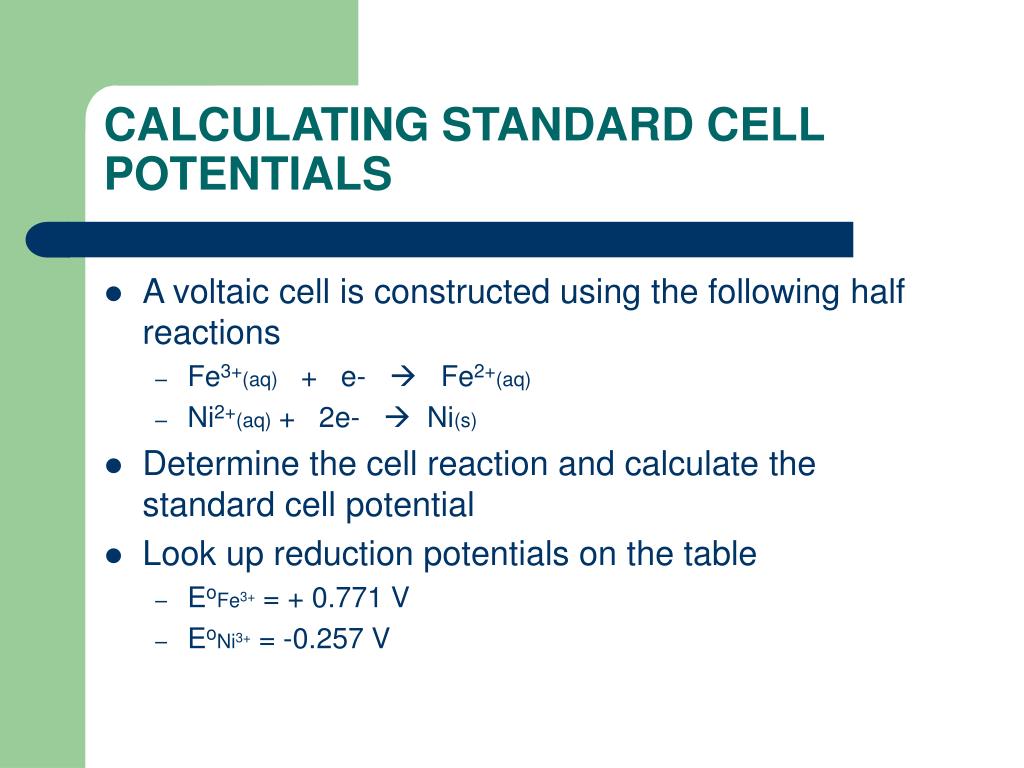
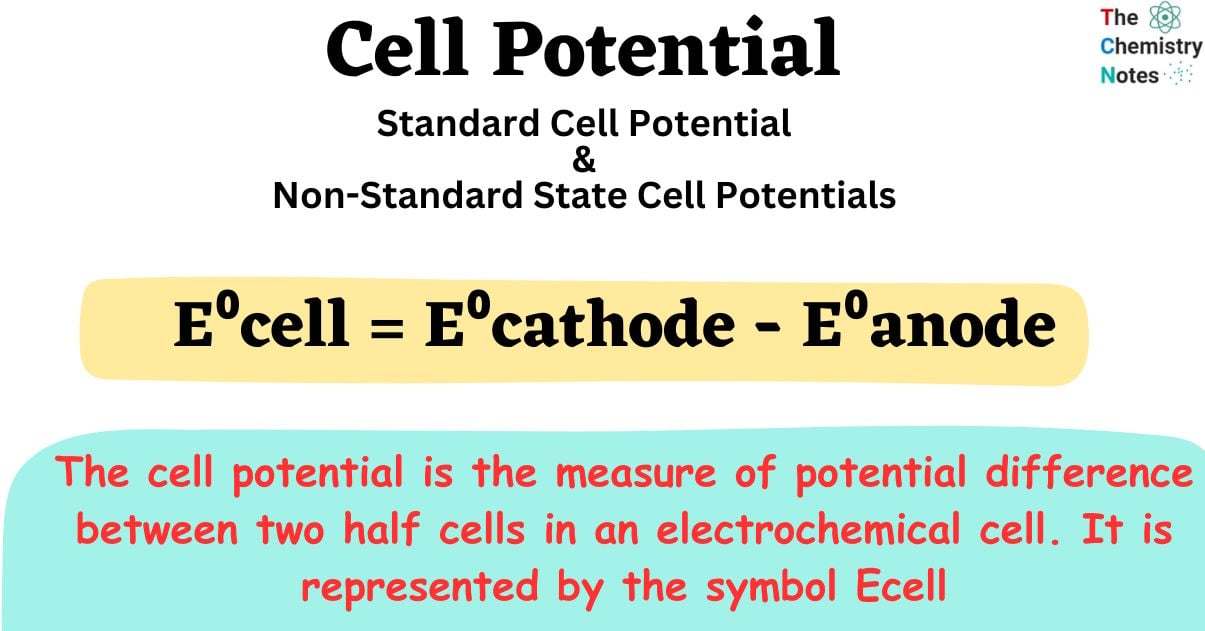
So, how can you try this at home (safely, of course!)? Start with readily available resources online – there are tons of websites and YouTube channels that explain the standard cell potential and provide tables of standard reduction potentials. Then, pick a simple redox reaction you're interested in. Calculate the standard cell potential using the formula (it's basically subtraction!), paying close attention to the signs. Then, research the reaction carefully, noting what to expect. Even a theoretical exercise can spark your creativity, leading to new ideas for art projects or scientific explorations. Always prioritize safety and supervision, especially when working with chemicals.
The beauty of understanding the standard cell potential’s sign lies in its ability to demystify the seemingly complex world of chemistry. It's not just about memorizing numbers; it's about gaining a fundamental understanding of how reactions work – or don't. And that, in itself, is incredibly empowering and, dare I say, even enjoyable. So, embrace your inner scientist (or artist!), delve into the world of redox reactions, and discover the magic behind that simple, yet powerful, plus or minus sign!