
Bandera De Corea Del Sur Y Del Norte

Ever looked at the flags of North and South Korea and thought, "Wow, those are... different"? You're not alone! They're both packed with symbolism, history, and enough visual pizzazz to make them super interesting. Let's dive in!
South Korea's Taegeukgi: A Cosmic Party!
Okay, the South Korean flag, or Taegeukgi, is like a mini-universe on fabric. Seriously! That central symbol, the Taegeuk, looks like a swirling yin-yang. That's because it is a yin-yang! It represents balance, harmony, and all those good cosmic vibes. Red is positive cosmic forces, while blue is negative.
But wait, there's more! Surrounding the Taegeuk are four trigrams. These aren't just random lines; they represent the elements: heaven, earth, fire, and water. Think of them as the flag's backup dancers, adding depth and meaning to the whole performance.
Must Read
The flag is white, which is just pure clean backdrop, symbolizing peace. So, put it all together, and you've got a flag that screams "balance," "peace," and "we know our elements!" Not bad for a piece of cloth, right?
It's honestly a beautiful flag. Imagine trying to explain all that on a t-shirt design! Kudos to whoever designed it for its complexity and visual appeal.

North Korea's Inmungonggi: Bold and to the Point!
Now, let's hop over to the North Korean flag, officially called the Inmungonggi. This one takes a completely different approach. Forget cosmic balance; we're going for bold simplicity!
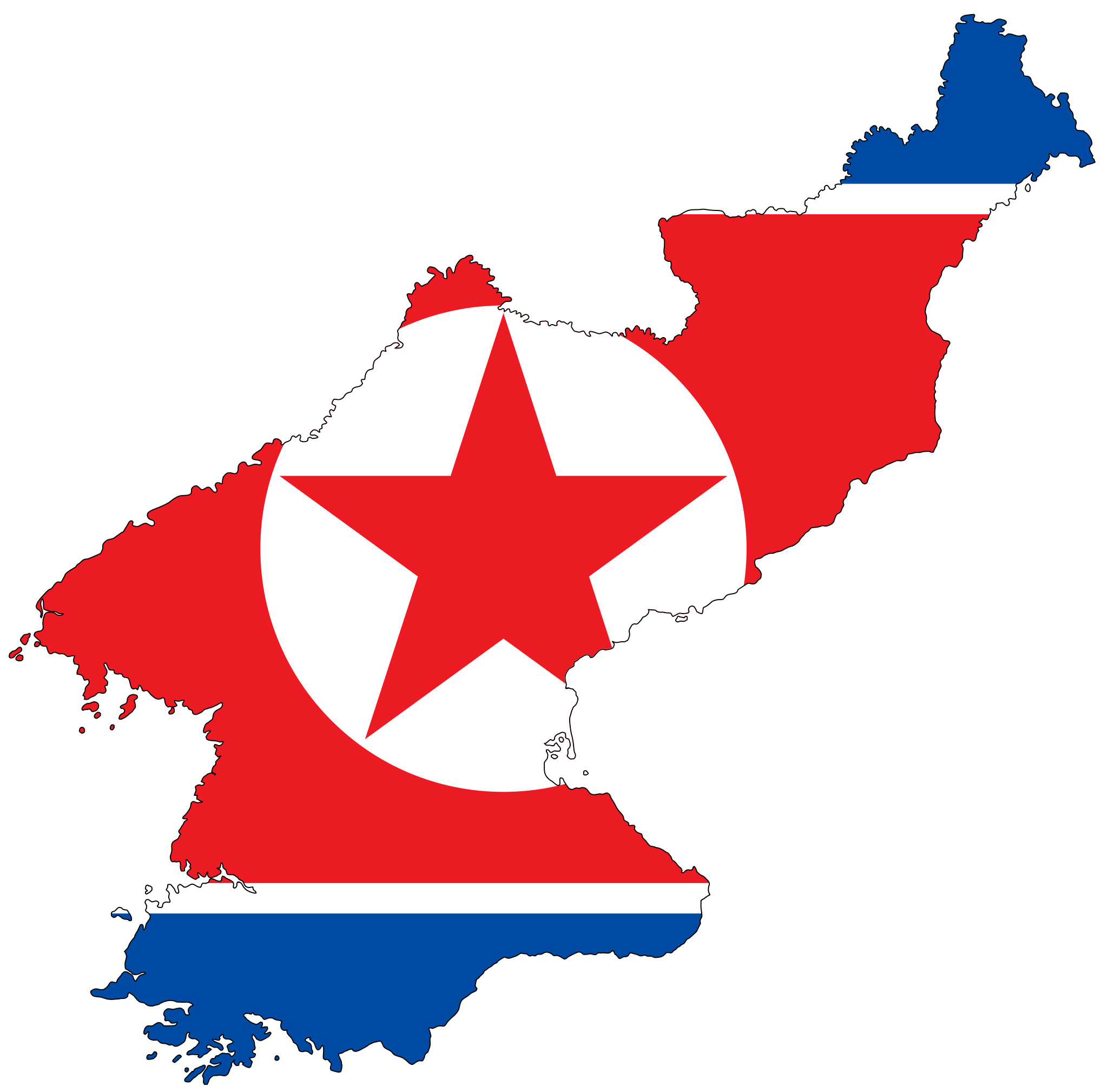
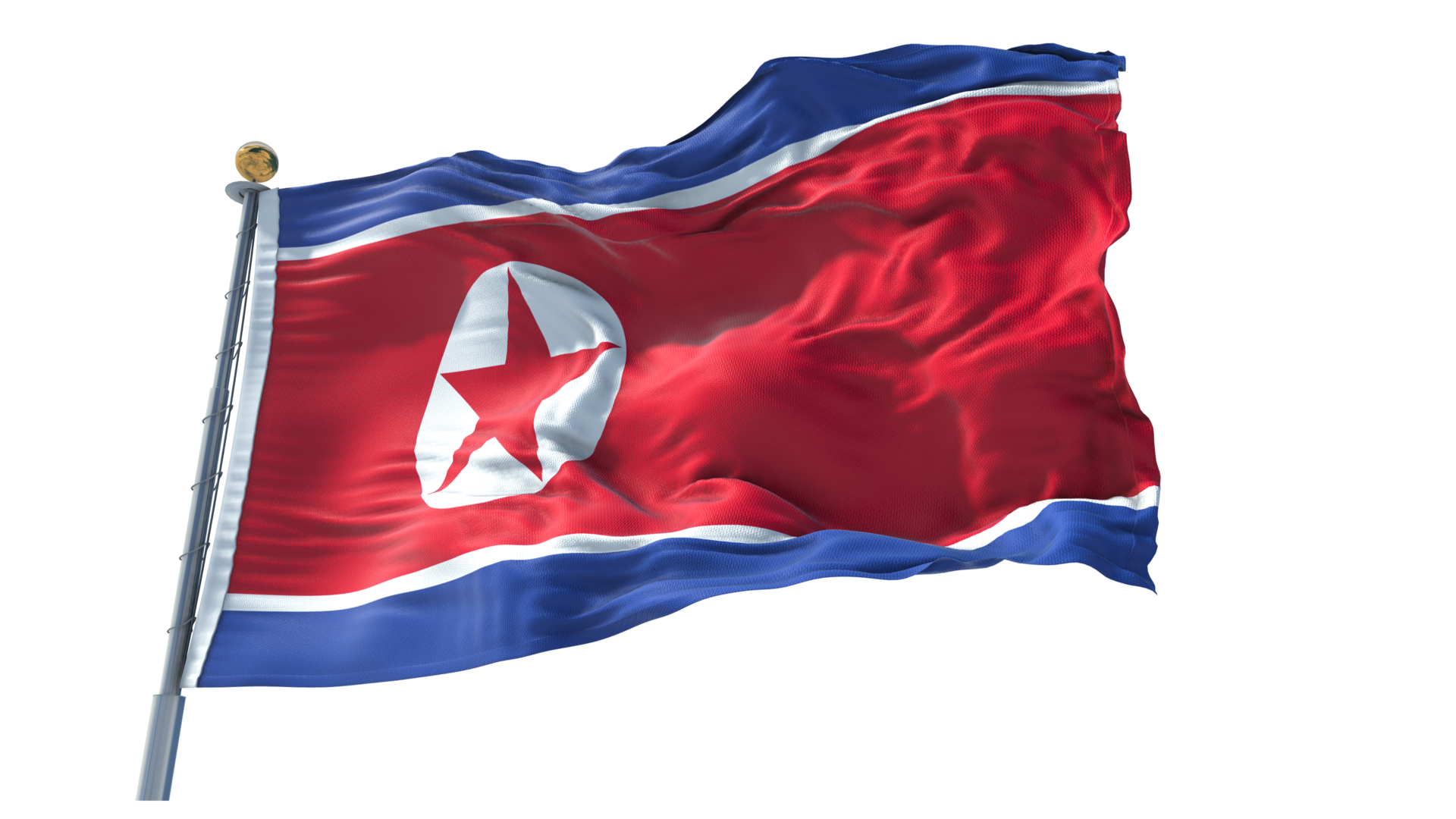
This flag features a broad red stripe in the center. Red represents revolutionary traditions. No ambiguity there! Flanking the red are two blue stripes, representing the desire of the Korean people to unite.
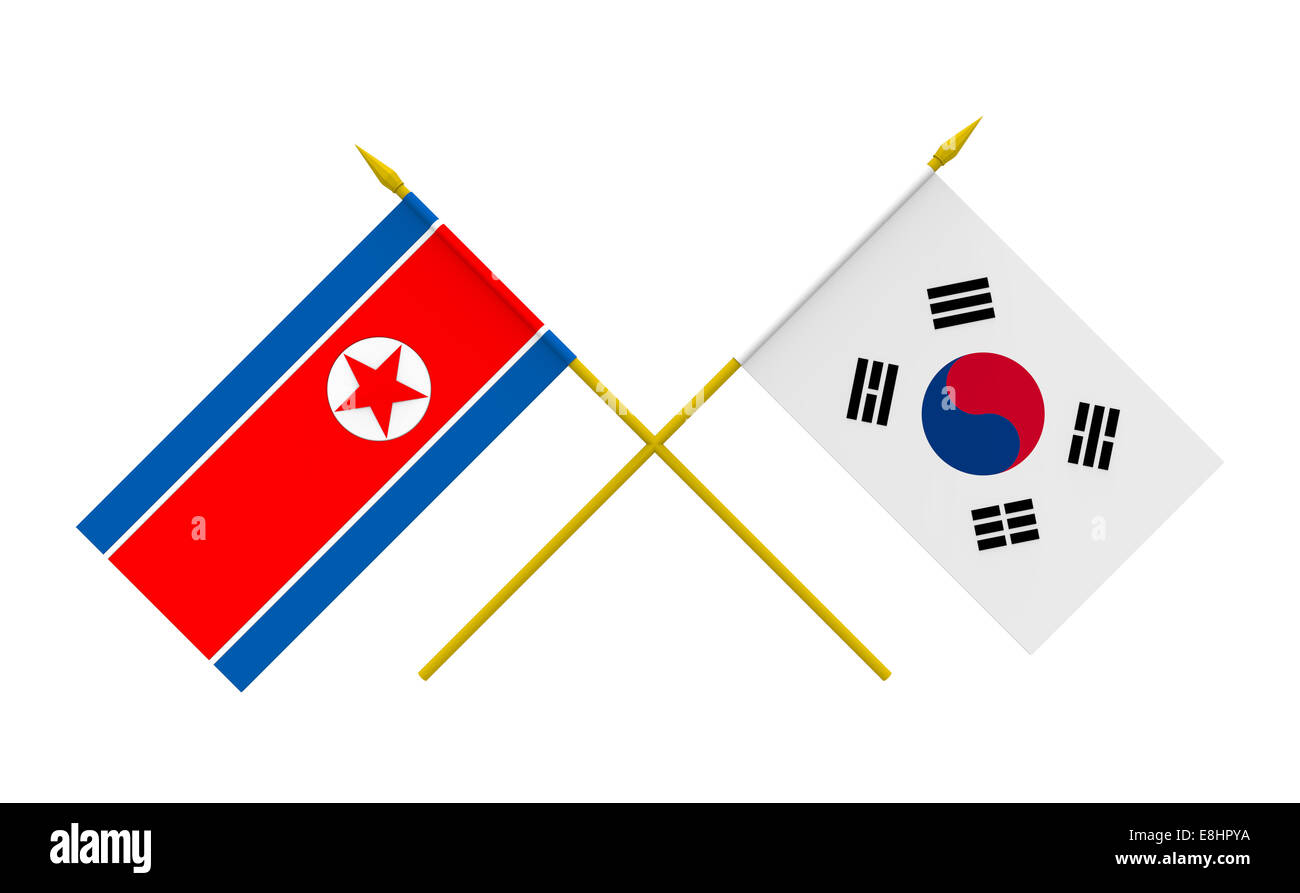
But the star of the show is the white disc with a five-pointed red star. That red star is a socialist symbol. It's right there, front and center. It’s like the flag is saying, "Here we are! Take it or leave it!"
It's a super striking flag. The contrast between the red, white, and blue is eye-catching, and the single star makes a statement. No need to overthink it. The Inmungonggi is direct, powerful, and visually memorable.
Think of it as the minimalist design choice in a world of ornate details. It’s effective, no doubt about that.
Two Flags, Two Worlds
What's truly fascinating is how these two flags, representing two nations with a shared history, could be so different. The Taegeukgi is all about harmony and cosmic principles. The Inmungonggi is all about revolutionary ideals and national identity. They're like siblings who grew up in different houses and developed completely different personalities.
Comparing the flags of North and South Korea is more than just a design exercise. It's a glimpse into the different values and aspirations of each nation. It's a reminder that symbols matter and that even something as simple as a flag can tell a powerful story.
So, the next time you see these flags, take a moment to appreciate their history, their symbolism, and their visual impact. They're not just pieces of cloth; they're windows into two very different worlds.
Maybe even try drawing them! It's a fun way to appreciate the details and remember the stories they tell. You might just surprise yourself with what you learn.