Average Weight Of A Fire Truck
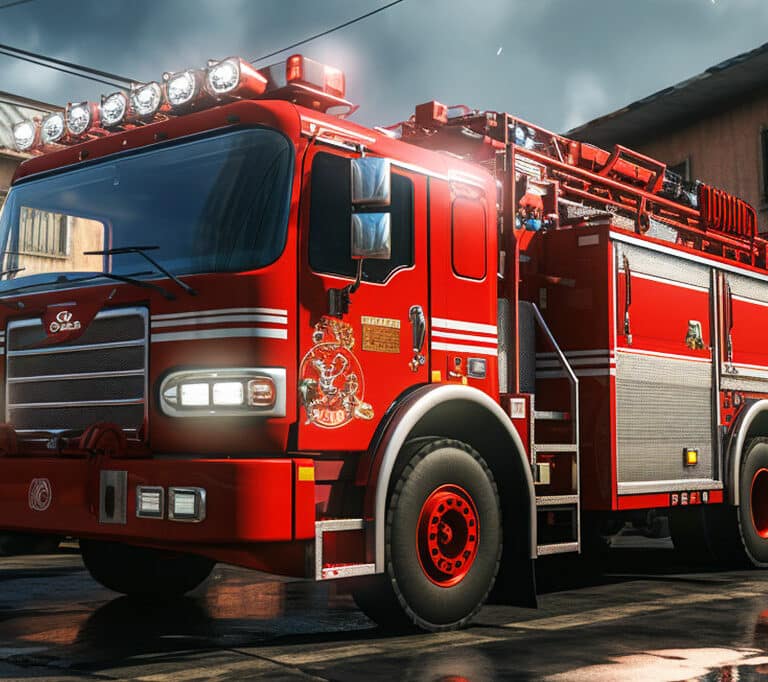
Okay, so picture this: I'm driving down the road, right? Just minding my own business, humming along to some terrible 80s pop song (don't judge!). Suddenly, sirens! A bright red fire truck barrels past me, shaking the very ground beneath my tiny hatchback. My first thought? "Wow, that thing is HUGE! I wonder how much it weighs?" And that, my friends, is the rabbit hole we're about to dive into. You ever have those random thoughts? Yeah, me too.
So, you're probably here because you've had a similar thought. Maybe you saw a fire truck and wondered about its size, or maybe you're just incredibly curious. Whatever the reason, let's talk about the average weight of a fire truck.
The Short Answer (Because Let's Be Honest, You're Busy)
Alright, let's cut to the chase. The average weight of a fire truck falls somewhere between 30,000 and 60,000 pounds. Woah, right? That's like, a whole lot of everything. But, here’s the thing… (and there's always a thing, isn't there?) that's a pretty wide range. Why is that?
Must Read
Not All Fire Trucks Are Created Equal (Duh!)
Think about it: fire trucks come in all shapes and sizes. We're not just talking about the classic pumper truck. There are ladder trucks, tanker trucks, rescue trucks, and even specialized airport fire trucks. Each type has a different purpose and, consequently, different equipment and therefore, different weights! Makes sense, right? I mean, you wouldn't expect a tiny little Smart Car to weigh the same as a monster truck.
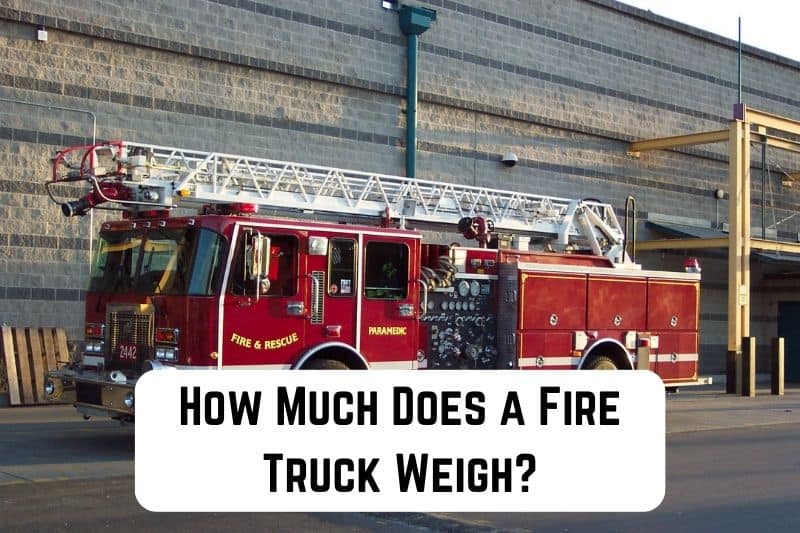
For example, a pumper truck, the workhorse of most fire departments, typically weighs in around 30,000 to 40,000 pounds. These guys carry water, hoses, and basic firefighting tools. Think of them as the all-purpose Swiss Army knives of the fire service. Are you picturing it now? A really, really heavy Swiss Army Knife?
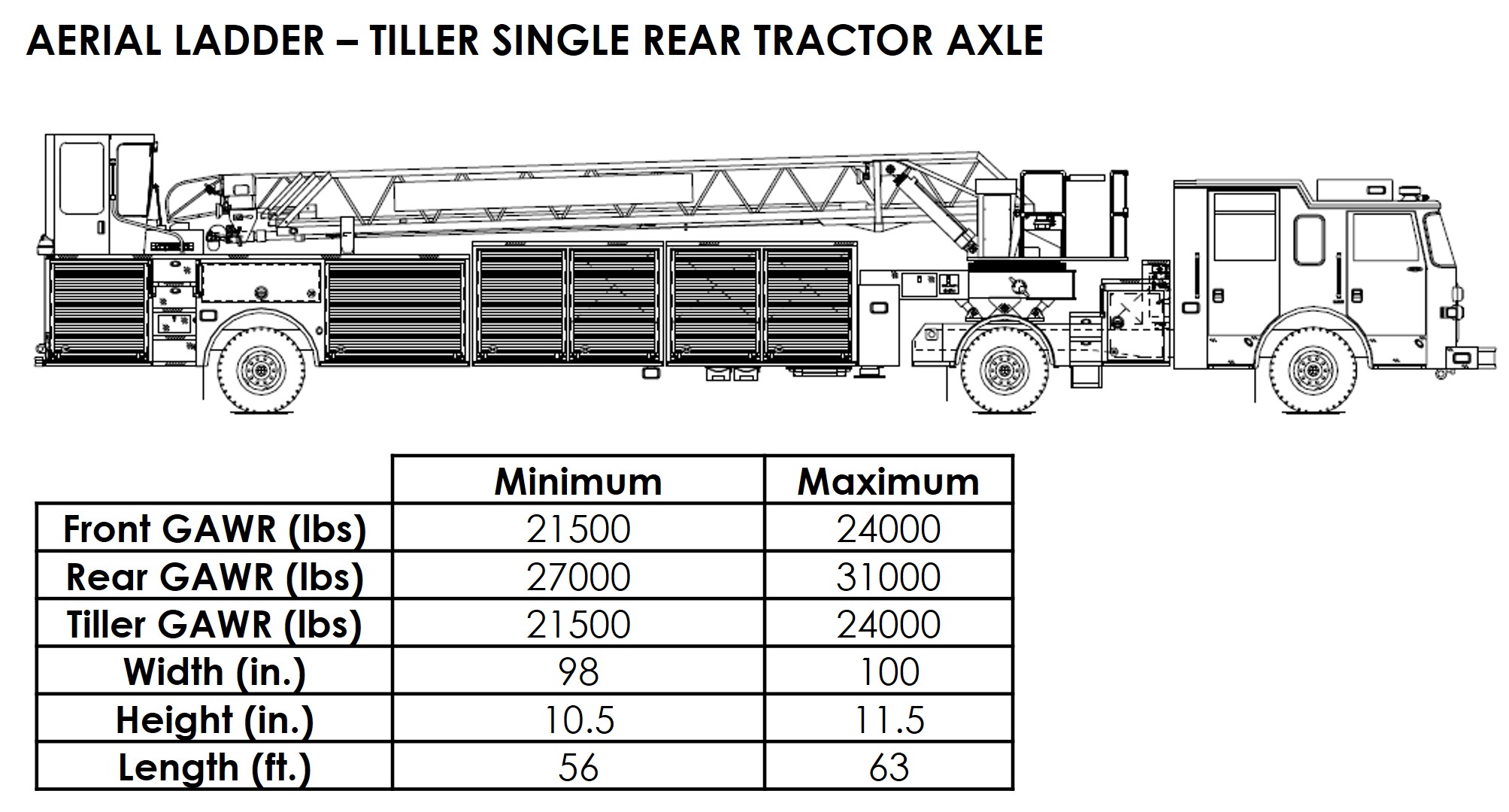
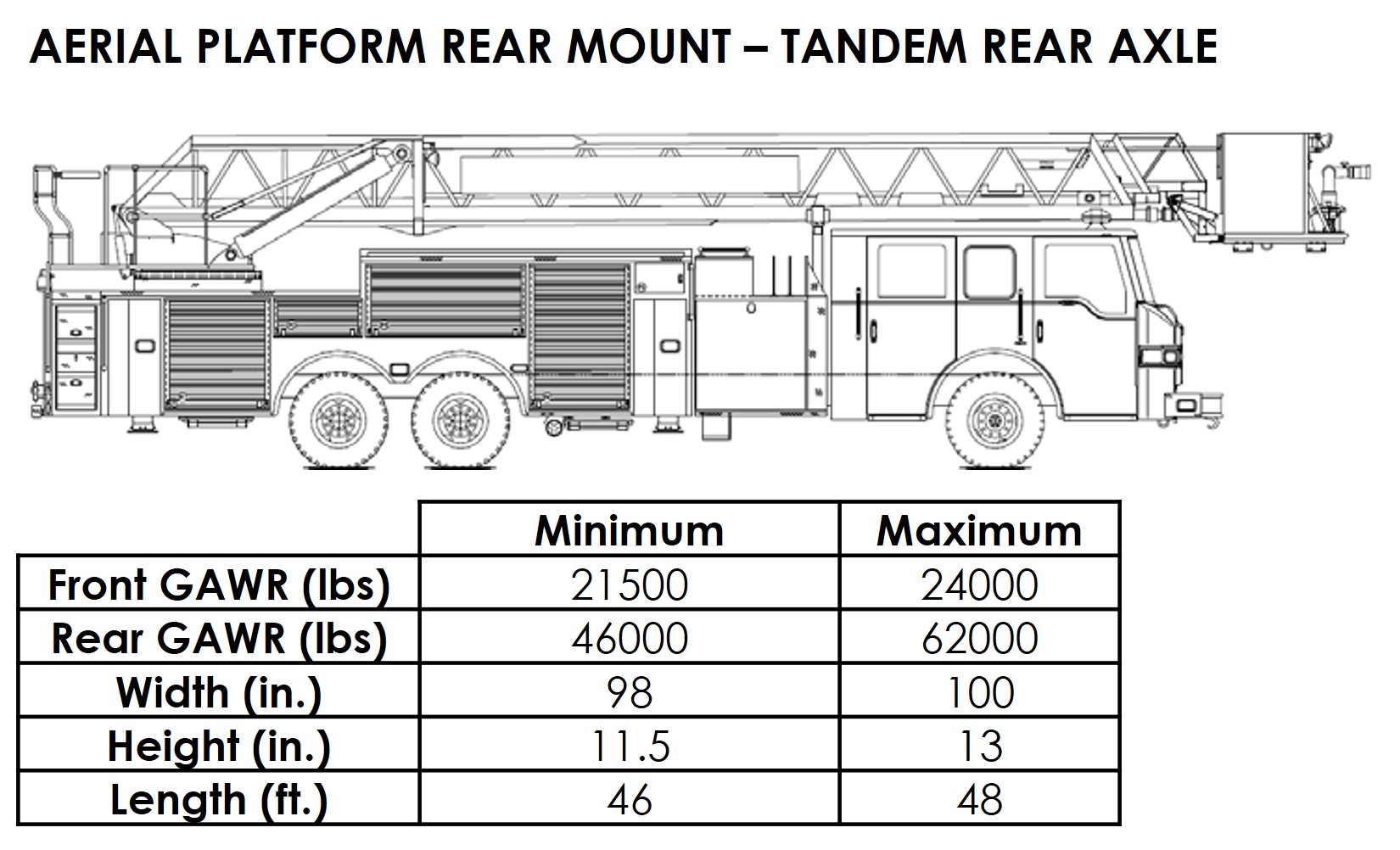
Then you have the ladder trucks, sometimes called aerial trucks, those are the heavy hitters. These can easily tip the scales at 50,000 to 60,000 pounds or even more. They need to be sturdy to support those massive ladders and the firefighters climbing on them. Safety first, always! (And weight second, I guess?)
And don't forget the tanker trucks. Their main job is to haul a lot of water to areas without hydrants. All that H2O adds up! They're usually on the heavier side, comparable to ladder trucks, maybe even exceeding them depending on their capacity. Now that’s a lot of liquid.
What Contributes to the Weight? (Besides, You Know, Everything)
Okay, so we know different trucks weigh different amounts, but why? Let’s break it down:
- The Chassis: This is the truck's foundation, and it needs to be strong enough to support everything else. Strong = heavy, naturally.
- The Water Tank: Obviously, the more water a truck carries, the heavier it's going to be. A typical pumper truck might hold 500-1000 gallons of water! That's a lot of gallons.
- The Pump: Fire pumps are powerful machines that can move hundreds or even thousands of gallons of water per minute. They're not exactly lightweight.
- The Equipment: Hoses, ladders, axes, medical supplies, the Jaws of Life... all that stuff adds up! It's like packing for a camping trip, but on a much, much larger scale.
- The Crew: Let's not forget the firefighters themselves! They're part of the payload, too. (Though hopefully, they're not weighing the truck down... get it? Heh.)
Why Does the Weight Matter? (More Than Just Random Trivia)
You might be thinking, "Okay, that's interesting, but why should I care?" Well, the weight of a fire truck has some real-world implications:
- Bridge Safety: Overloaded bridges are a serious concern. Authorities need to know the weight of fire trucks to ensure bridges can handle them.
- Road Maintenance: Heavy vehicles can cause wear and tear on roads. Knowing the weight helps with road maintenance planning.
- Vehicle Handling: Firefighters need to be trained to drive these massive vehicles safely. Weight affects braking distance and maneuverability.
So, next time you see a fire truck, you can appreciate it for more than just its bright red color and loud siren. You can appreciate the incredible engineering and the sheer weight of responsibility (and, well, actual weight!) that it carries. Pretty cool, huh? Now you have something interesting to bring up at your next party! (Or maybe just bore your friends with random fire truck facts. Your call.)