Average Us Household Electricity Usage
Ever peeked at your electricity bill and wondered, "How does my usage stack up?" You're not alone! Diving into the world of average US household electricity usage might sound a bit dry, but trust me, it's actually quite a fun and incredibly useful topic for everyday living. It’s like getting a secret decoder ring for your home's energy consumption, revealing how much power your gadgets truly crave and where your hard-earned money is going. Understanding this average gives you a fantastic benchmark, a jumping-off point to becoming a more conscious energy user, saving some cash, and even doing a little bit for our planet. It’s a popular curiosity because electricity powers everything from our morning coffee to our evening Netflix binge, making it a universal part of modern life.
So, who benefits from this electrifying knowledge? Practically everyone! For beginners, it demystifies that confusing monthly statement, turning abstract kilowatt-hours (kWh) into something relatable. You'll grasp the basics of energy consumption without needing an engineering degree. Families will find it a game-changer for budgeting. Imagine identifying those energy hogs in your home and teaching your kids about conservation – it’s a practical lesson in financial literacy and environmental responsibility rolled into one! And for the hobbyists, especially those into smart homes or DIY improvements, understanding average usage is crucial for optimizing systems, calculating the return on investment for energy-efficient upgrades, or simply geeking out over your home's energy data.
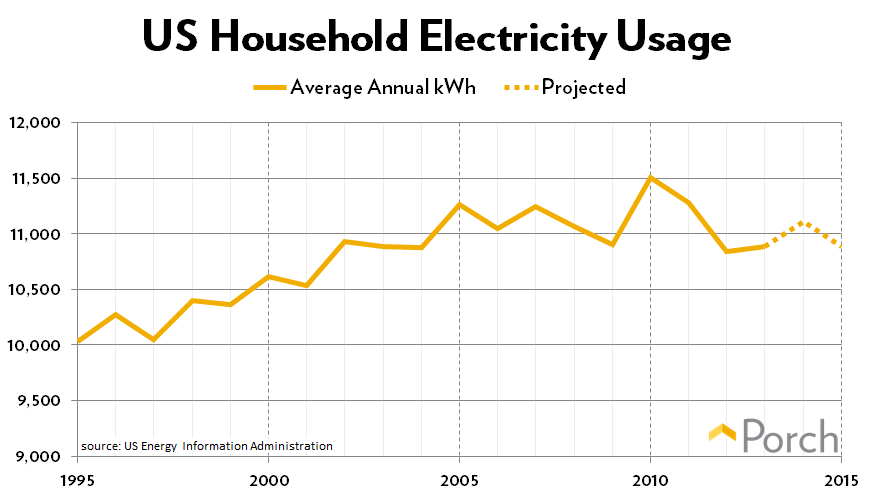
What does this "average" actually look like? While it varies by region, household size, and even the time of year, the typical US household uses roughly 900 kilowatt-hours (kWh) per month. Think of that as your general guideline. But remember, this figure can swing wildly! A smaller apartment with one occupant and minimal AC in a mild climate will use far less, perhaps 300-500 kWh. Conversely, a large suburban home with multiple occupants, central air conditioning running constantly in a hot summer, and a house full of older appliances might easily hit 1,500 kWh or more. Factors like insulation quality, window efficiency, and even your daily routines (are you a master of the "vampire drain"?) all play a huge role. Some utility companies even offer "time-of-use" rates, meaning electricity costs more during peak demand hours, adding another layer to how your usage impacts your bill.
Must Read
Ready to get started on your own energy journey? It's surprisingly simple! First, grab your latest electricity bill. Find your actual kWh usage for the month. How does it compare to that 900 kWh average? Next, do a quick, informal "energy audit" of your home. Walk through, noting which devices are always plugged in, even if not in use (hello, vampire power!). A couple of super easy tips: unplug electronics you're not using, especially phone chargers or small kitchen appliances. Switch out old incandescent bulbs for energy-efficient LEDs – it's an instant win. Pay attention to your thermostat settings; even a one or two-degree adjustment can make a noticeable difference. Smart power strips for your entertainment center can cut down on standby power with minimal effort.
By understanding average household electricity usage, you're not just looking at numbers; you're gaining control and making smarter choices. It's truly empowering to decode your energy habits, save money, and contribute to a healthier planet, all while enjoying a more efficient home. It’s a journey that provides ongoing value and satisfaction!