Average Electricity Cost Per Kwh Usa 2025
You know that feeling, right? You're scrolling through old photos, maybe a particularly embarrassing one from high school, and suddenly your smart home device chirps, reminding you that your lights are still on in the unoccupied guest room. Or perhaps you're just staring blankly at your electricity bill, wondering if your cat secretly bought a bitcoin mining rig. It's usually followed by a sigh, a mental note to unplug everything you own, and then a quick question: "Seriously, how much does this stuff even cost?"
That little moment of bill-induced existential dread? It got me thinking. We’re constantly bombarded with news about energy crises, inflation, and the ever-looming future. So, what’s the deal with our electricity bills heading into 2025? Specifically, what are we looking at for the average electricity cost per kilowatt-hour (kWh) in the USA? Let's peel back the layers of this electrifying mystery, shall we?
The Big Question: What's the Wattage Costing Us in 2025?
Why even bother peeking into 2025? Well, for starters, it’s not that far off! Plus, understanding these trends can help us budget, make smarter home energy choices, and honestly, just satisfy that nagging curiosity about where our money is going. After all, electricity isn’t exactly optional for most of us, unless you're living off-grid in a beautifully rustic, candlelit cabin (which, let's be honest, sounds great until your phone dies).
Must Read
The Crazy Quilt of Electricity Pricing
Before we try to pin down a number, it's crucial to understand that electricity prices are about as consistent as my attempts at baking sourdough. They fluctuate wildly based on a whole bunch of factors. It's not just one big national power grid humming along at a fixed rate, oh no.
First up, fuel costs. A huge chunk of our electricity comes from natural gas, coal, and increasingly, renewables. If natural gas prices spike (say, due to global events or increased demand), your bill feels it. Same goes for coal. Renewable energy sources like solar and wind, while getting cheaper to produce over time, sometimes have upfront infrastructure costs that can initially nudge rates. It’s a delicate dance, really.
Then there's infrastructure. Those giant power lines, substations, and all the tech that gets electrons from the power plant to your toaster? It all needs maintenance, upgrades, and sometimes, entirely new constructions. And guess who pays for that? Ding ding ding, that’s right, us!
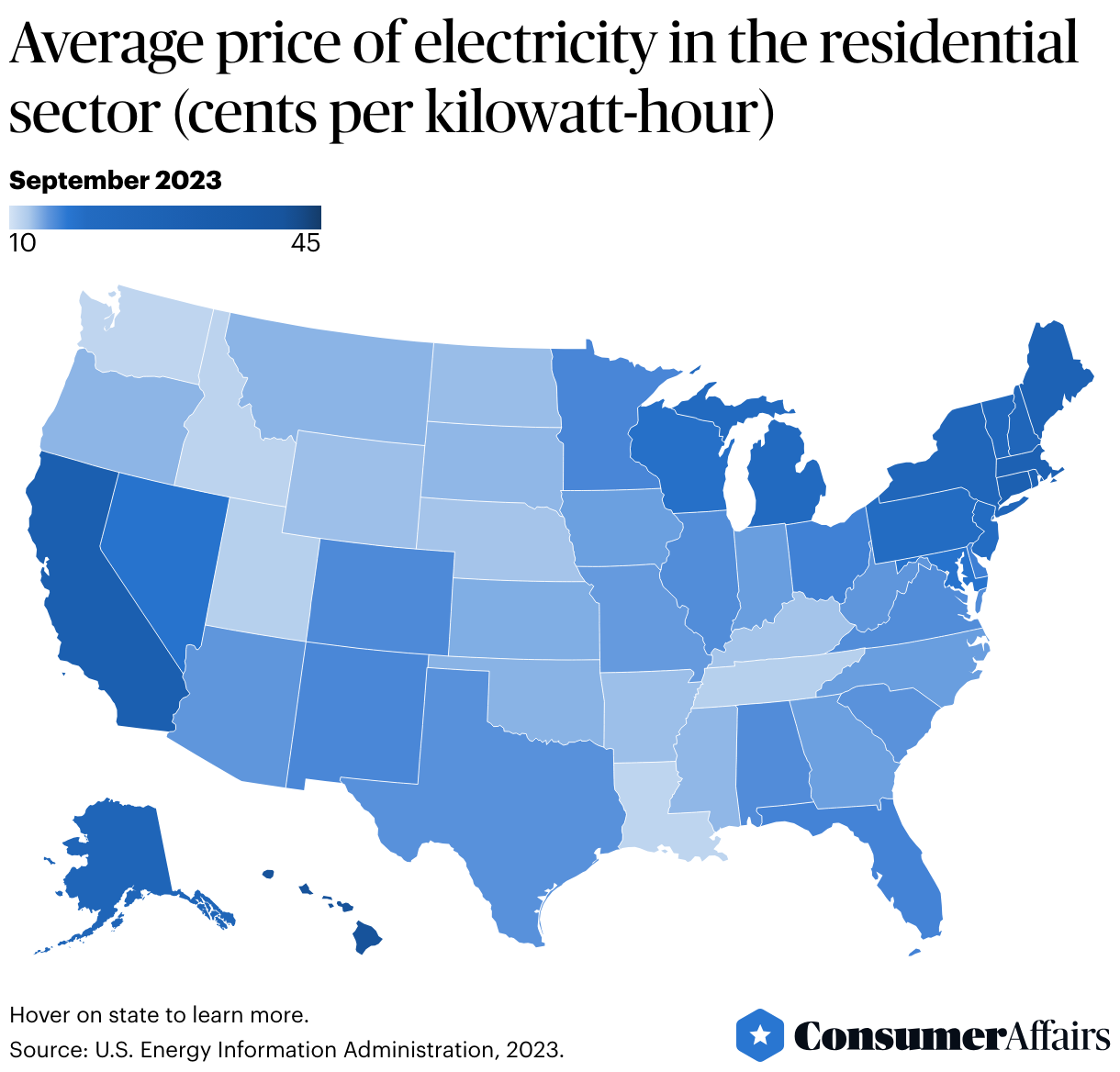
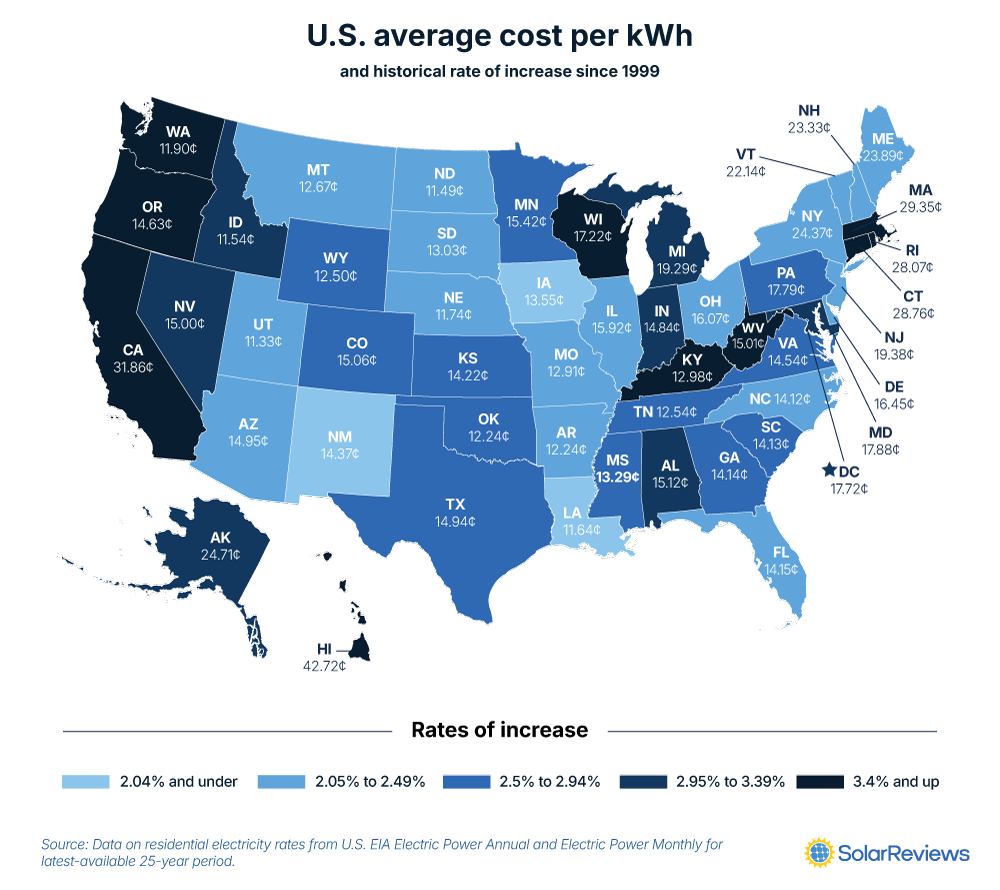
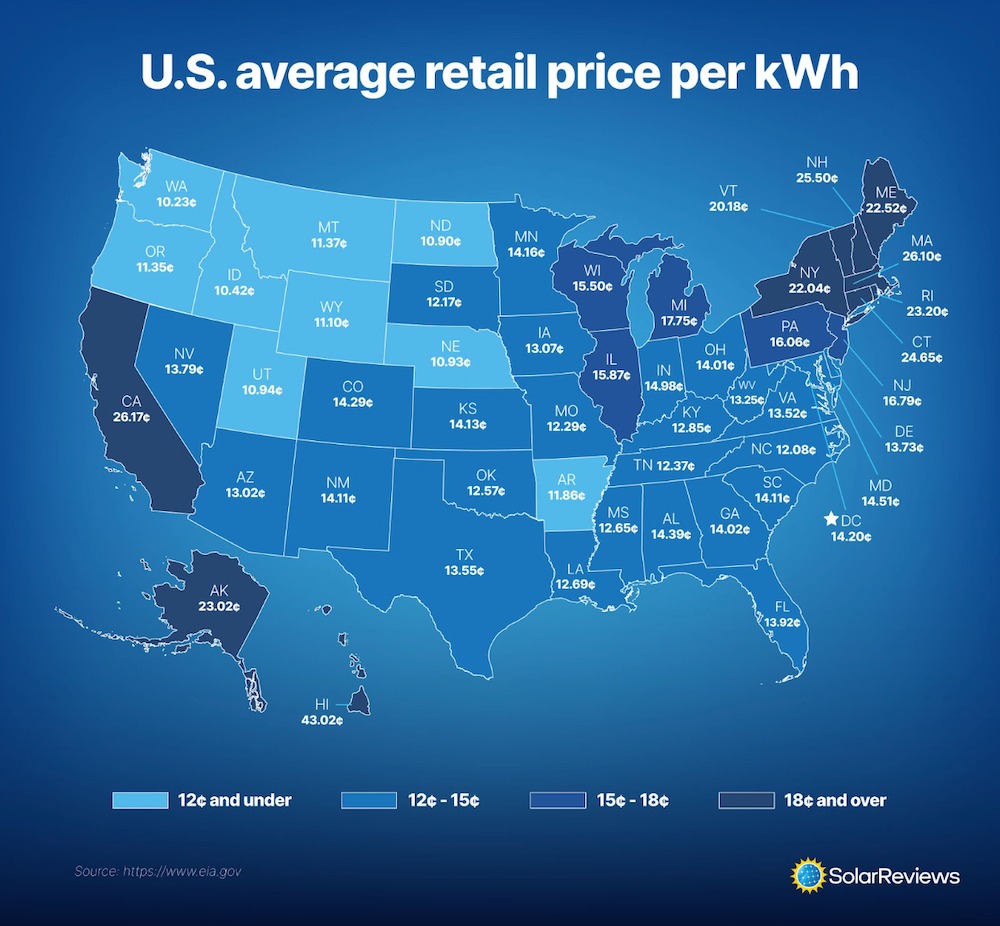
Don't forget regional differences. This is a biggie. Electricity costs can vary wildly from state to state, even city to city. What someone pays in sunny California might be a world apart from someone in the windy plains of Oklahoma, or the bustling East Coast. Factors like local regulations, population density, climate (hello, AC in summer, heating in winter!), and the mix of power generation sources all play a role. Some states are heavily reliant on expensive imported fuels, while others have abundant local resources.
And let's not overlook supply and demand. Extreme weather (heatwaves, cold snaps) can send demand skyrocketing, putting a strain on the grid and often leading to higher prices. It’s basic economics, but with less lemonade stand and more megawatts.

So, What's the Magic Number for 2025? (Spoiler: It's Not Magic)
Alright, alright, the moment you've been waiting for. Predicting the exact average for 2025 is a bit like predicting the winner of next year's "America's Got Talent"—there are too many variables! However, based on current trends, projections from energy agencies like the EIA (U.S. Energy Information Administration), and general economic forecasts, we can make an educated guess.
The current national average for residential electricity in the US hovers around 17 cents per kilowatt-hour. For 2025, most experts are predicting a slight but noticeable increase, or at best, stabilization at a slightly elevated level compared to pre-2022 figures. While no crystal ball exists, it's reasonable to expect the average electricity cost per kWh in the USA for 2025 to likely fall somewhere in the range of 18 to 20 cents per kilowatt-hour nationally.
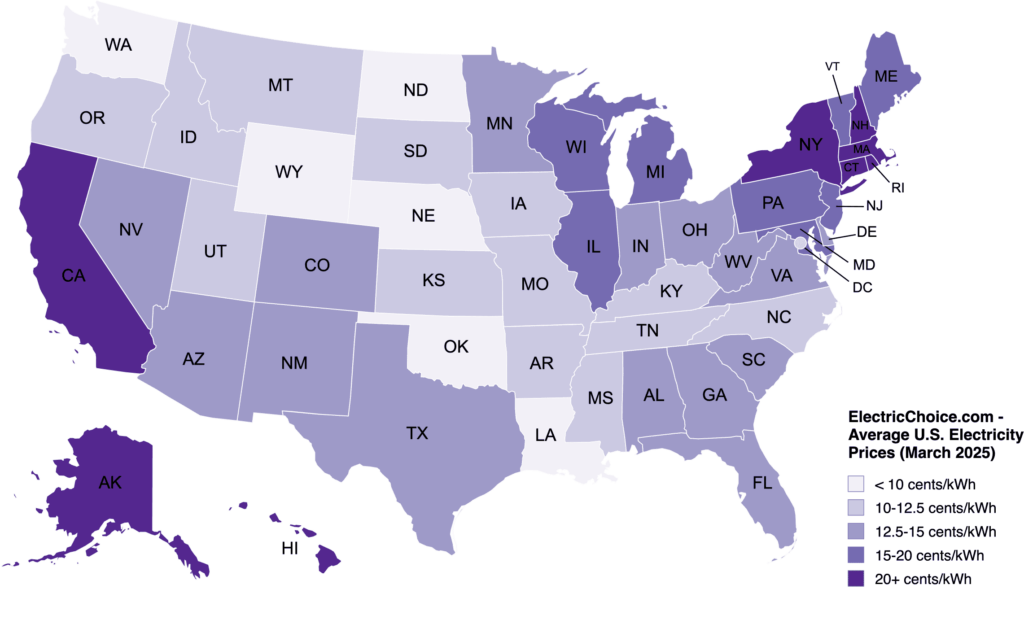
Keep in mind, this is an average. Your mileage will absolutely vary! If you live in Hawaii or parts of New England, you might be looking at significantly higher numbers (sorry, guys!). If you’re in a state with cheap natural gas or robust renewable energy incentives, you might be closer to the lower end, or even below the national average.
Your Power Play: Taking Control (Kind Of)
So, what's a savvy consumer to do? While you can't control global fuel markets or the weather, you can control your own usage. Here are a few thoughts:
- Embrace efficiency: LEDs, smart thermostats, good insulation, efficient appliances. These aren't just buzzwords; they genuinely save you money.
- Understand your bill: Seriously, actually read it. See what you're being charged for. Is there a peak-time charge? Are there specific surcharges? Knowledge is power! (Pun intended.)
- Consider solar: If it's feasible where you live, solar panels can offer a long-term hedge against rising electricity costs, though it's a significant upfront investment.
- Be mindful: Simple habits like unplugging chargers, turning off lights when you leave a room, and running appliances during off-peak hours can add up.
Ultimately, while the average electricity cost in the USA for 2025 might nudge up a bit, understanding the forces at play and taking proactive steps can help you keep your own energy bill from giving you too much grief. After all, a little planning today can save you a lot of bill shock tomorrow. And who needs more reasons for existential dread? Not me, that's for sure. Now, if you'll excuse me, I think my cat is trying to mine Bitcoin.