
Average Cost For Solar Panels For Home

Ever scroll through your social feed and see those sleek solar panels glinting on a rooftop, maybe on a neighbor’s house, and think, "Hmm, that looks pretty cool, but what's the deal with the price tag?" You're not alone! It's one of those big questions, like "How much does a good cup of coffee really cost?" or "Can I really finish this entire pizza by myself?" (Spoiler: probably yes).
The truth is, wrapping your head around the average cost of solar panels for your home can feel a bit like trying to solve a Rubik's Cube blindfolded. But don't you worry your pretty little head! We're going to break it down into bite-sized, easy-to-digest pieces, no math degree required. Think of it as a friendly chat over a warm mug of tea, rather than a stuffy financial seminar.
Why Should We Even Care About Solar Costs?
Okay, before we dive into the numbers, let's hit pause for a sec. Why even bother looking into solar? Beyond the obvious "saving money on electricity bills" – which, let's be honest, is a pretty sweet deal – there's a whole basket of goodies.
Must Read
Imagine this: It’s a scorching summer day, the AC is blasting, and you’re feeling a little guilty about that whirring meter. But wait! Your solar panels are happily soaking up the sun, churning out clean energy, making your home a tiny, self-sufficient power plant. It’s like growing your own tomatoes in the backyard – you know exactly where they came from, and they just taste better.
Then there’s the feeling. The feeling of being a bit more independent, a bit more in control. No more nail-biting every time your utility company announces another rate hike. Your energy future is, quite literally, looking sunny. Plus, who doesn't love the idea of doing something good for Mother Earth without having to give up their Netflix binge? It’s a win-win-win!
The Big Question: What's the Average Cost?
Alright, deep breath. The cost of installing solar panels for your home can swing a bit, much like the price of a fancy dinner – it depends on where you go, what you order, and if you get dessert! Generally, before any juicy incentives or tax credits kick in, you're looking at a range somewhere between $15,000 to $30,000 for a typical residential system.

"Whoa!" you might say. "That's like a down payment on a car!" And you're right, it's a significant investment. But let's unpack what goes into that number, because it’s not just about the panels themselves.
What Affects the Price Tag?
-
The Size of Your System: This is probably the biggest factor. Think of it like buying a fridge. A mini-fridge for a dorm room costs less than a massive, double-door, ice-dispensing beast for a family of five. Same with solar! A small home with modest energy needs will require a smaller, less expensive system than a sprawling house with a hot tub and an electric car charger.
-
Panel Efficiency and Quality: Just like cars, there are different brands and levels of performance. Some panels are the reliable Honda Civic of the solar world – solid, dependable, and efficient. Others are more like the Tesla Model S – cutting-edge, super-efficient, and come with a premium price. Higher efficiency means fewer panels might be needed for the same power, which can save on roof space.
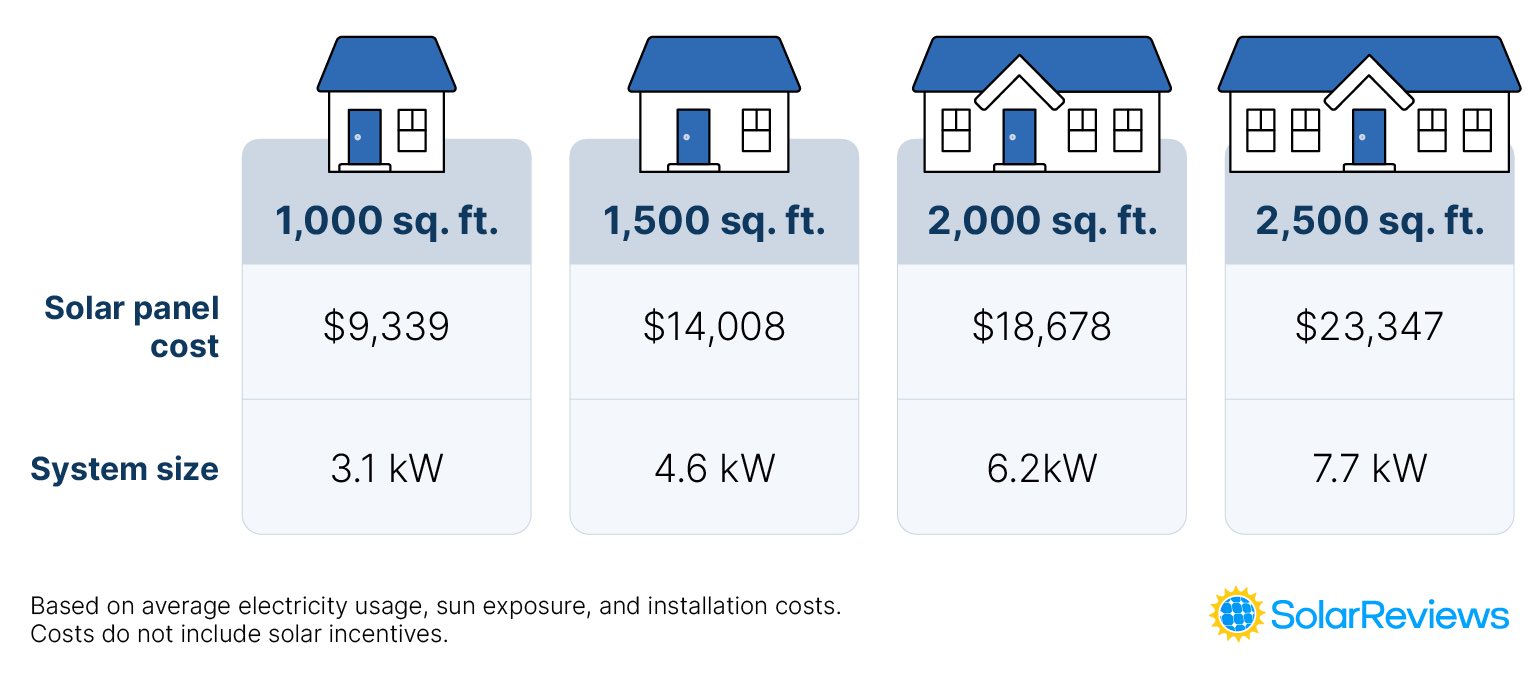
Residential Solar System Pricing The 7 Most Efficient Solar Panels Of -
Installation Complexity: Is your roof a simple, flat canvas, or does it have multiple peaks, valleys, and tricky angles? Is there a lot of shade from nearby trees that needs to be addressed? Are there old electrical systems that need upgrading? A straightforward installation is generally cheaper than one that requires a bit more problem-solving, scaffolding, or extra wiring work.
-
Your Location: Labor costs and local regulations can vary by state and even by city. What might cost X in sunny California could be a bit different in, say, snowy Maine.
Here Comes the Fun Part: Incentives!
Remember that "down payment on a car" feeling? Well, here's where it gets much cheerier. The government, both federal and sometimes state/local, really wants you to go solar. So, they offer some pretty fantastic incentives that can chop a hefty chunk off that initial price. Think of it like finding a super secret discount code after you've added everything to your online shopping cart.
The big one right now is the Federal Solar Investment Tax Credit (ITC). For systems installed in 2022-2032, you can claim a credit for 30% of the cost of your solar system on your federal income taxes. That's not a deduction; it's a dollar-for-dollar credit! So, if your system costs $25,000, that's $7,500 back in your pocket. Poof! Just like that!
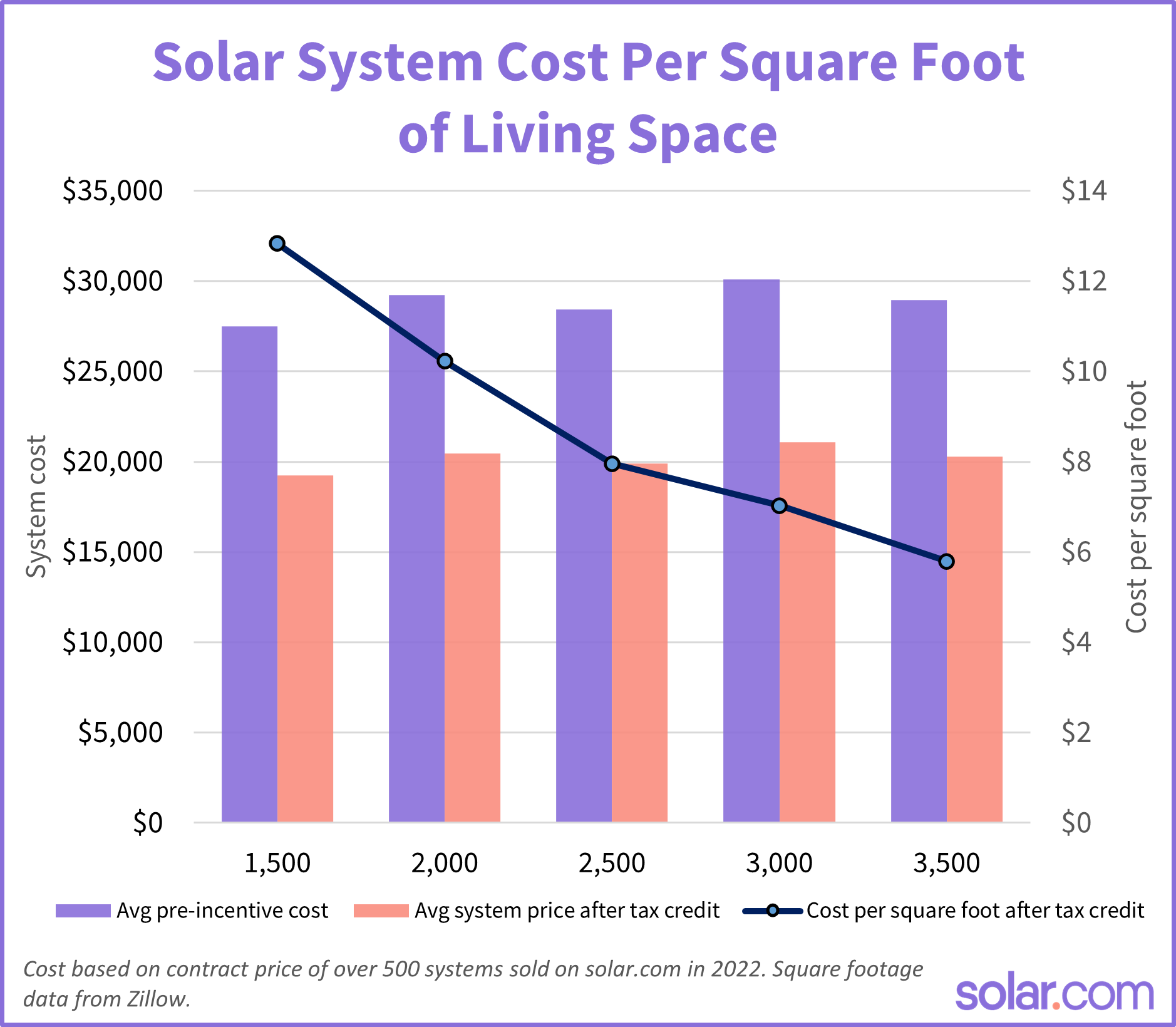
Many states and even some local utility companies also offer their own rebates, tax exemptions, or performance payments (where they pay you for the electricity your panels generate!). These can vary wildly, so it’s worth a quick Google search for "solar incentives in [Your State/City]".
The "Real" Average Cost After Incentives
So, let's do some quick, happy math. If a typical system runs about $25,000 before incentives, and you snag that 30% federal tax credit ($7,500), your net cost drops to $17,500. If you add in some state incentives, it could easily dip further, perhaps into the $10,000 to $15,000 range (or even lower!) depending on where you live and the specifics of your system.
Now, that's starting to look a lot more like a really solid home improvement project, isn't it? Something like a new roof, a kitchen remodel, or finally finishing that basement. But unlike those projects, solar panels don't just add value; they actively save you money every single month, often for decades. It's like buying a really good coffee machine that pays for itself in delicious lattes over time!

The Long-Term Glow-Up
Think about this: your electricity bill is probably only going one way – up. With solar, you're essentially locking in your energy costs. It’s like signing up for an all-you-can-eat buffet where the price never changes, no matter how much you munch! Over the 25-30 year lifespan of a solar system, those savings really add up, often exceeding the initial investment by a significant margin. Plus, homes with solar panels often sell for a premium, so it's a nice little bonus if you ever decide to move.
Ready to Dip Your Toes?
Hopefully, this little chat has made the idea of solar a bit less intimidating and a lot more exciting. The average cost for solar panels for your home isn't a single, scary number, but rather a flexible figure that becomes much more appealing once you factor in all the wonderful incentives and long-term savings.
If you're feeling a little spark of curiosity, the next step is super easy: get a few free quotes from local solar installers. They can give you a precise breakdown for your specific home, taking into account your energy usage, roof, and local incentives. It’s like getting a custom fitting for a suit – you get exactly what you need, tailored just for you.
So go ahead, explore the possibilities. Your future self (and your wallet, and the planet!) will thank you.