At What Age Should I Give My Dog Joint Supplements

Ever watched your dog, that boundless ball of energy, slow down a bit? Maybe they're not leaping onto the couch with quite the same gusto, or perhaps walks aren't as long as they used to be. It's a natural part of aging, but sometimes, it's a sign that their joints could use a little extra support. That's where the question of joint supplements comes in – and it's a question many dog owners find themselves pondering. Figuring out when to introduce these supplements isn't an exact science, but understanding the possibilities is a great way to be proactive about your furry friend’s health and comfort.
So, what exactly are joint supplements, and what can they do for your dog? Think of them as tiny helpers, packed with ingredients designed to support healthy cartilage, reduce inflammation, and lubricate those all-important joints. Common ingredients include glucosamine, chondroitin, and omega-3 fatty acids. Glucosamine and chondroitin are building blocks for cartilage, helping to rebuild and repair damaged tissue. Omega-3s, often found in fish oil, are fantastic for reducing inflammation throughout the body, offering pain relief and promoting overall well-being. The benefits can range from improved mobility and decreased stiffness to a more playful and energetic pup – which, let's face it, is what we all want!
Now, back to the million-dollar question: when should you start? There's no one-size-fits-all answer. Some vets recommend starting supplements as early as puppyhood for breeds prone to joint issues, like German Shepherds, Labrador Retrievers, and Rottweilers. These breeds are often genetically predisposed to hip or elbow dysplasia, and early intervention can potentially slow the progression of these conditions. In these cases, starting supplements around 6 months to a year might be beneficial. For other dogs, particularly smaller breeds or those with no known predisposition to joint problems, it might be more appropriate to wait until they're older, perhaps around 7-8 years old, when signs of stiffness or slowing down become more apparent.
Must Read
But how can you tell if your dog is a good candidate for joint supplements? Keep a close eye on their behavior. Are they hesitant to climb stairs? Do they seem stiff after lying down for a while? Are they less enthusiastic about walks or playtime? These could be subtle signs that their joints are starting to bother them. A simple way to explore this is to track their activity levels over a week. Note how long they play, how far you walk, and if they seem tired or sore afterward. Sharing this information with your vet will be invaluable.
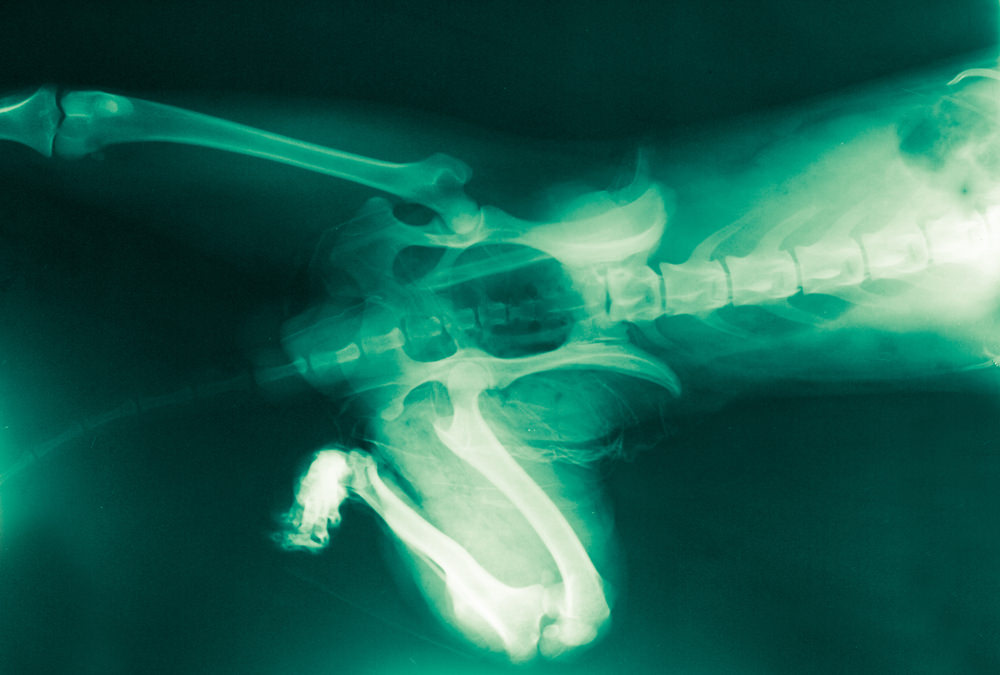
Ultimately, the best approach is to have an open conversation with your veterinarian. They can assess your dog's individual needs, taking into account their breed, age, lifestyle, and overall health. They may even recommend X-rays to get a clearer picture of their joint health. Remember, joint supplements aren't a cure-all, but they can be a valuable tool in helping your dog live a happier, healthier, and more comfortable life. So, do your research, talk to your vet, and keep those tails wagging!