
Are There Different Types Of Testosterone
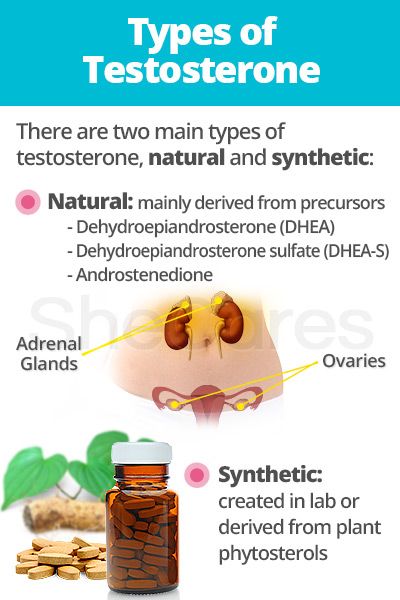
Hey there, friend! Ever heard someone throw around the word "testosterone" and wondered, "Is that all there is to it?" Like, is it just one monolithic thing? Well, buckle up, because we're about to dive into the fascinating world of testosterone – and spoiler alert: it's more nuanced than you might think!
Think of it like this: you've got 'money,' right? But you can have it in cash, investments, property… it's all money, but it functions differently. Testosterone is similar! So, let's explore the different ways this vital hormone shows up in your body. Are you ready for some knowledge bombs? I know I am!
The Testosterone Trio: Bound, Bound, and...Unbound!
Okay, so the big picture is that testosterone travels through your bloodstream. But it doesn't just float around willy-nilly (great word, right?). Most of it is actually attached, or bound, to proteins. Think of these proteins like little taxis, carrying the testosterone to its destination.
Must Read
There are two main proteins that bind to testosterone: Sex Hormone-Binding Globulin (SHBG) and albumin. Let's break them down!
SHBG: The Tight-Grip Taxi Driver
SHBG is like that taxi driver who's really careful with their precious cargo. It binds to testosterone very tightly. So tightly, in fact, that the testosterone bound to SHBG isn't readily available to be used by your body. It's essentially "locked up," waiting for… well, who knows what! Maybe a very special occasion?

High levels of SHBG can mean less "free" testosterone is available (more on that in a sec). You might be thinking, "Well that doesn't sound good!" And you know what? Sometimes it isn't. It depends on the overall balance in your system. Like everything in life, balance is key.
Albumin: The Looser Grip Taxi Driver
Now, albumin is a bit more chill. It also binds to testosterone, but its grip is much looser than SHBG’s. Testosterone bound to albumin can become available to your tissues more easily. It’s like a quick drop-off service compared to SHBG’s armored car.
Free Testosterone: The VIP
And now, for the rockstar of the show: Free Testosterone! This is the testosterone that's not bound to any proteins. It's floating freely in your bloodstream, ready to bind to receptors and get to work. Think of it as the testosterone that's actively making things happen – building muscle, boosting energy, and generally keeping you feeling awesome.
When doctors talk about "bioavailable testosterone," they're usually referring to free testosterone plus the testosterone that's loosely bound to albumin. Because that's the stuff your body can actually use!
It's like having a bunch of ingredients in your pantry (total testosterone), but only the ones you can easily grab and use (free and albumin-bound) can contribute to the delicious meal you’re trying to cook!

Why Does It All Matter?
Okay, so we've established there are different "types" of testosterone based on how they're bound. But why should you care? Well, understanding this can help you understand your own body better! If you’re feeling sluggish or experiencing other symptoms related to testosterone levels, knowing your free testosterone levels, in particular, can provide valuable insights.
For example, if your total testosterone levels look "normal" on a blood test, but your free testosterone is low, you might still be experiencing symptoms of low testosterone. That's because your body isn't actually able to use all that testosterone that's being measured.
The more you understand about your body, the more empowered you are to make informed decisions about your health and well-being. Isn't that a great feeling?
The Takeaway and an Inspiring Thought
So, there you have it! Testosterone isn't just one thing. It exists in different forms, each with its own unique characteristics and role in your body. Understanding the difference between bound testosterone and free testosterone can be incredibly valuable for understanding your overall health and well-being.
Now, go forth and be curious! Do some more research, talk to your doctor, and learn more about your own body. The more you know, the more you can thrive. Knowledge is power! And it makes life a whole lot more interesting, don't you think? Embrace the journey of discovery, and let's unlock the secrets of our bodies together!