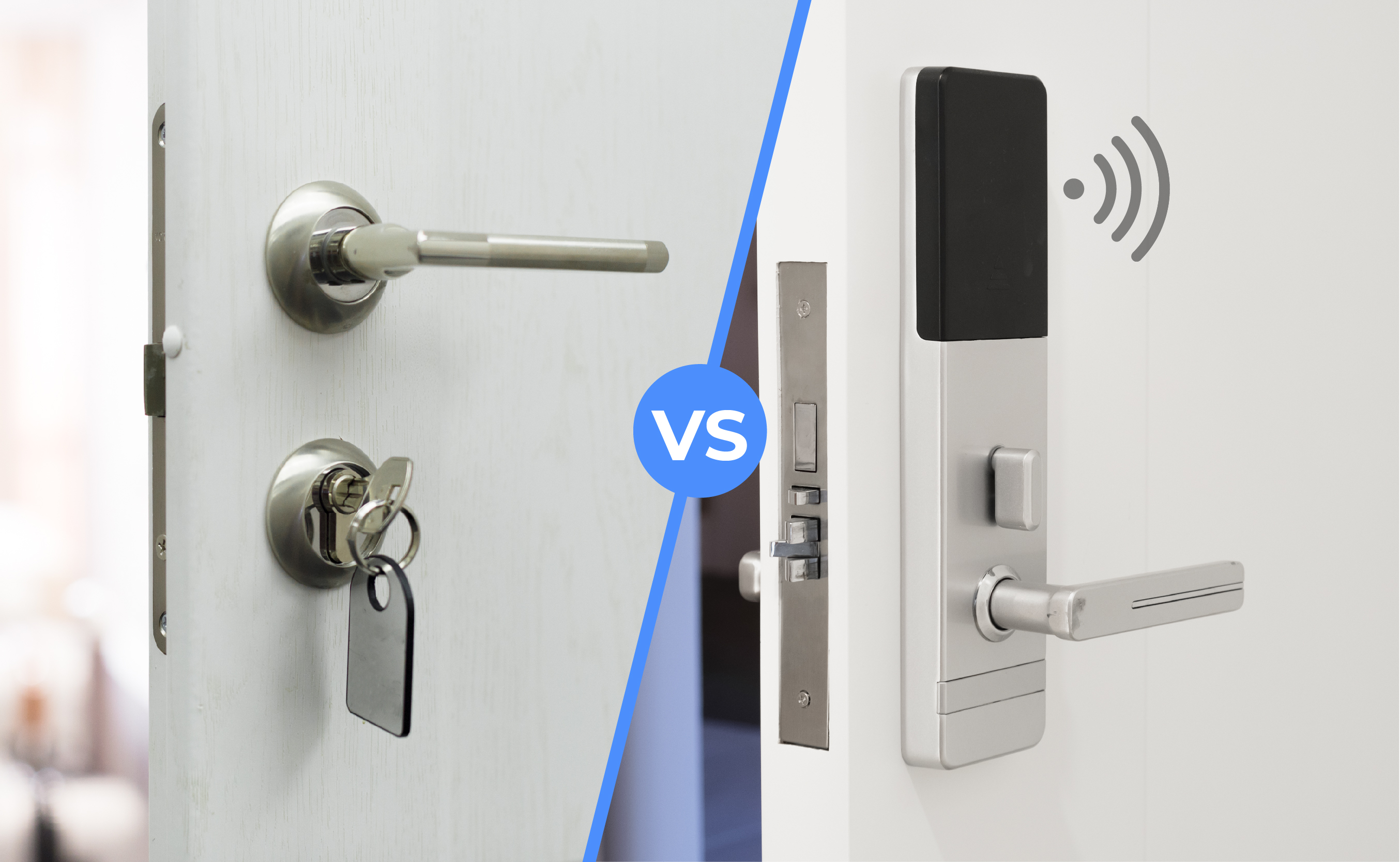
Are Smart Locks Safer Than Key Locks
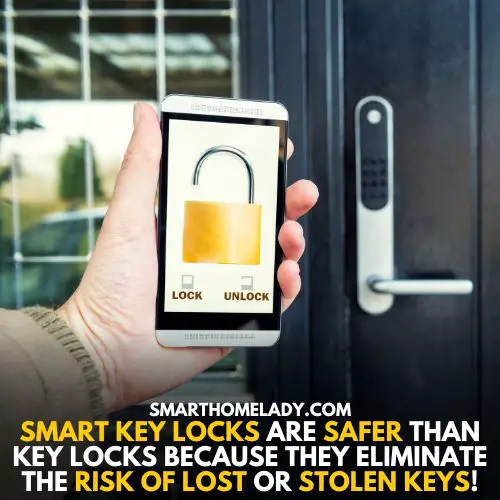
Ever stood at your front door, fumbling for keys, and thought, "Is this really the best we can do in the 21st century?" Or maybe you've eyed those sleek smart locks with a mix of awe and a tiny bit of terror. We're diving deep into a question that keeps modern homeowners (and curious tech-heads) up at night: Are smart locks safer than good ol' key locks? Let's get playful with security!
The Venerable Key Lock: A Trusty Old Friend
Ah, the key lock. It's been around forever, right? We're talking ancient Egyptian times! Seriously, the earliest known lock was found in the Khorsabad palace ruins, dating back to 704 BC. That's some serious staying power! Your grandpa's lock and that ancient marvel share a lineage. They’re simple. You put a piece of metal (your key!) into a hole, turn it, and click! Door's open. No Wi-Fi needed. No batteries to fret about. Just good, honest mechanics.
There's a certain comfort in that satisfying metallic thunk. You know it's locked. Or do you? How many times have you hidden a spare key under a potted plant? (Please tell me you don't still do that!) Or under the welcome mat? That’s basically an open invitation, isn't it? It's like leaving a giant neon arrow pointing to your "secret" stash. The biggest security flaw with a key lock often isn't the lock itself, but us humans and our clever (read: not-so-clever) hiding spots.
Must Read
Enter the Smart Lock: The Tech-Savvy Newcomer
Now, let's talk about the shiny new kid on the block: the smart lock. These aren't just locks; they're tiny, connected mini-computers guarding your castle. Imagine this: you're at the beach, 300 miles away, and your friend texts, "I forgot my spare key!" No problem. Whip out your phone, tap an app, and voila! Door unlocks remotely. How cool is that?
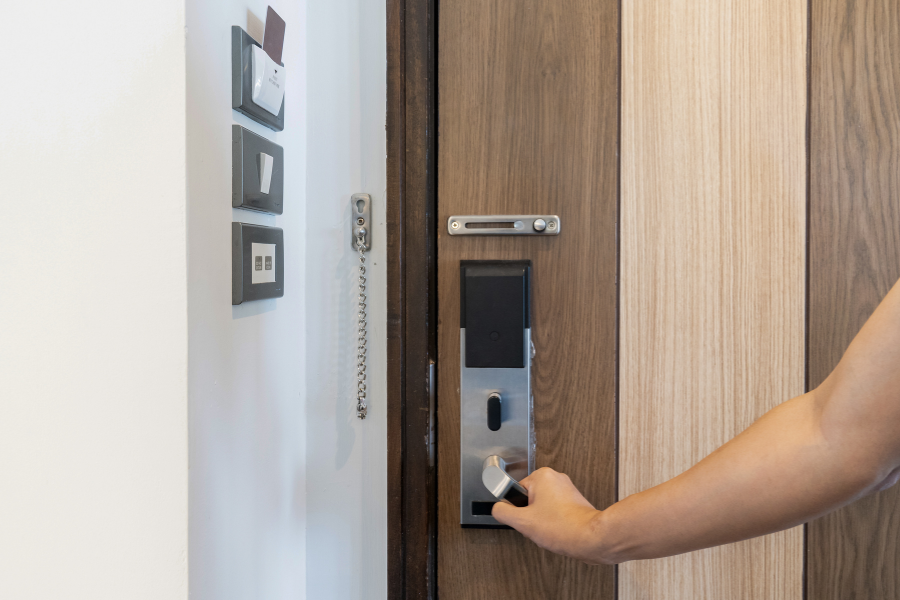
They offer keyless entry, which means no more fumbling for keys in the rain. You can use your fingerprint, a keypad code, or even your smartphone's Bluetooth. Some even auto-lock behind you, so that nagging "Did I lock the door?" thought becomes a thing of the past. Phew! Plus, many keep an audit trail. Want to know when your dog walker came and went? Your smart lock can tell you. It's like having a digital doorman, but without the fancy hat.
The Big Safety Showdown: Who Wins?
Okay, let's get down to the nitty-gritty. Is one inherently safer? It’s not as simple as a superhero movie brawl, unfortunately.
Key Lock Vulnerabilities: The Old-School Shenanigans
Traditional locks can be picked. Ever watched a spy movie where the hero uses a hairpin and 30 seconds to bypass a lock? While Hollywood might exaggerate, lock picking is a real skill. And then there's brute force. A determined intruder can often kick a door in, regardless of how fancy the deadbolt is. So, while your key lock is reliable, it's not invincible. Its weakest points are often physical.
Smart Lock Vulnerabilities: The Digital Dilemmas
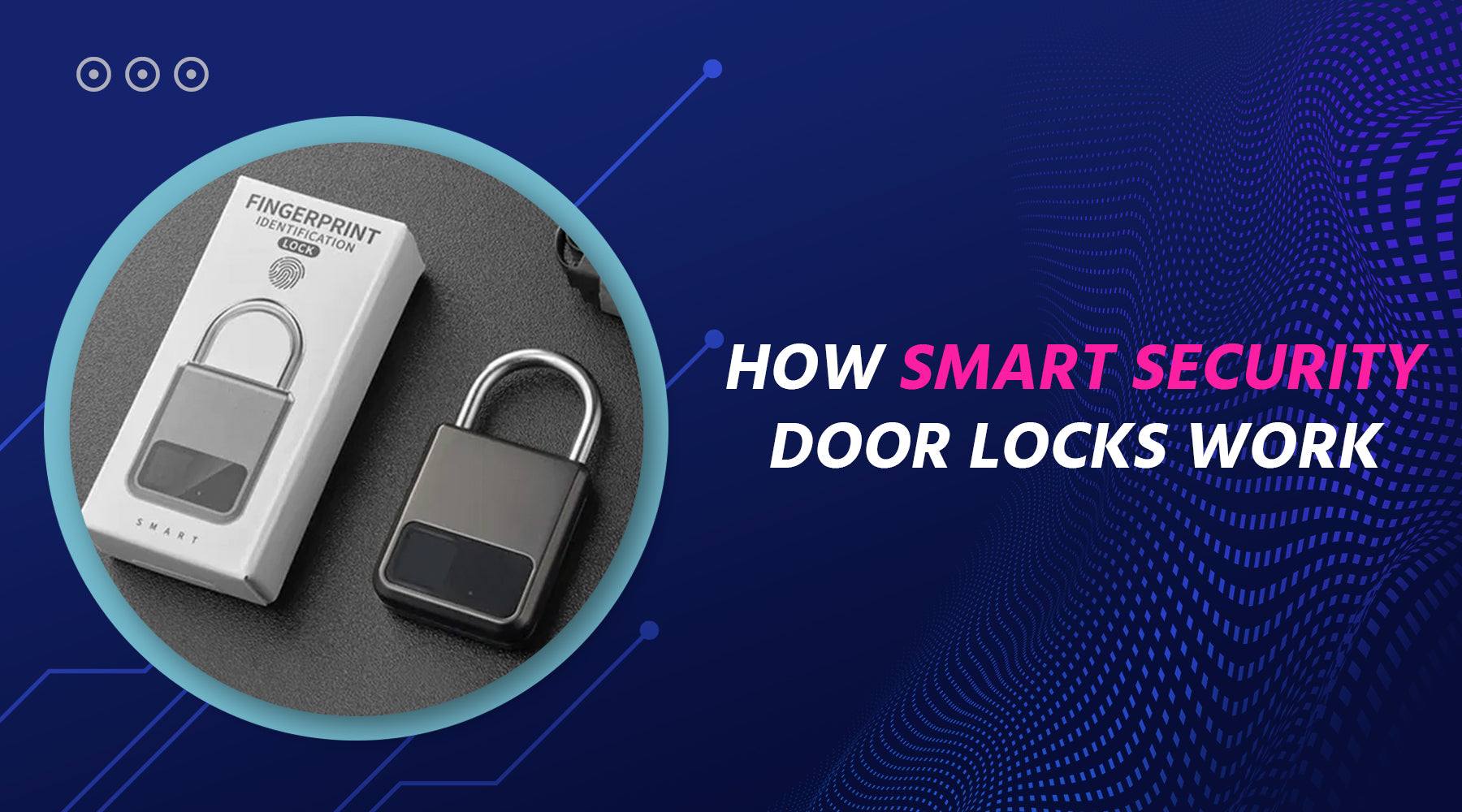
Smart locks introduce a new layer of potential vulnerabilities: the digital kind. "Hacking!" someone invariably shouts. And yes, theoretically, a smart lock could be hacked. But let's get real for a second. The chances of a sophisticated hacker targeting your home smart lock are probably lower than winning the lottery. Most home break-ins are still crimes of opportunity and physical entry, not cyber warfare. A more common issue? Battery failure. Imagine your lock going dead in the middle of a blizzard. Not fun! Or your Wi-Fi router decides to take a nap, leaving your remote access stranded. Many smart locks have physical key overrides for this reason, becoming a hybrid of old and new.
The real digital concern often comes from weak passwords or insecure home Wi-Fi networks, which isn't really the lock's fault, is it? It's like blaming your car for a flat tire when you drove over a nail. The human element, again, is the wild card.
The Human Factor: The Ultimate Security Flaw
Here's the kicker: for both types of locks, the biggest security risk is usually us. We forget to lock the door. We lend our keys (or give out our smart lock codes) to too many people. We leave windows open. A smart lock with all its bells and whistles won't protect you if you leave the front door ajar while popping out for a gallon of milk. Similarly, the strongest deadbolt in the world is useless if you've taped a spare key right above the doorframe.
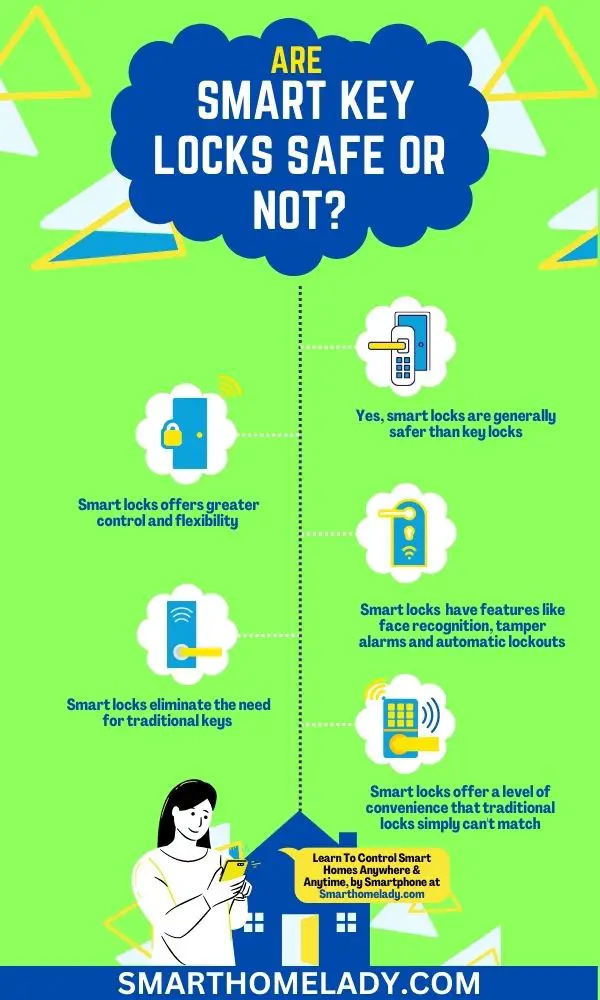
Smart locks can actually reduce some human errors by auto-locking or allowing remote checks. But they introduce new ones, like forgetting to charge a battery or using "1234" as your keypad code. (Seriously, don't do that! It's the digital equivalent of hiding your key under the mat.)
So, What's the Verdict?
It's not a straightforward "winner" situation, is it? Both key locks and smart locks offer distinct advantages and disadvantages when it comes to safety. A traditional key lock is robust in its simplicity and generally immune to cyber attacks. A smart lock offers convenience, control, and features like audit trails that traditional locks simply can't match.
Ultimately, the safest option might be a combination of smart technology used wisely, paired with good old common sense. If you love the idea of unlocking your door with your phone while simultaneously enjoying the peace of mind that comes from a sturdy deadbolt and a strong door frame, then a smart lock with a reliable physical key override might be your sweet spot. It's about how you use them, how you secure your home network, and how you manage access. Embrace the tech, have fun with it, but always remember that a little bit of smart thinking goes a long, long way in keeping your home cozy and secure!