
Are Patients Required To Participate In Fire Drills
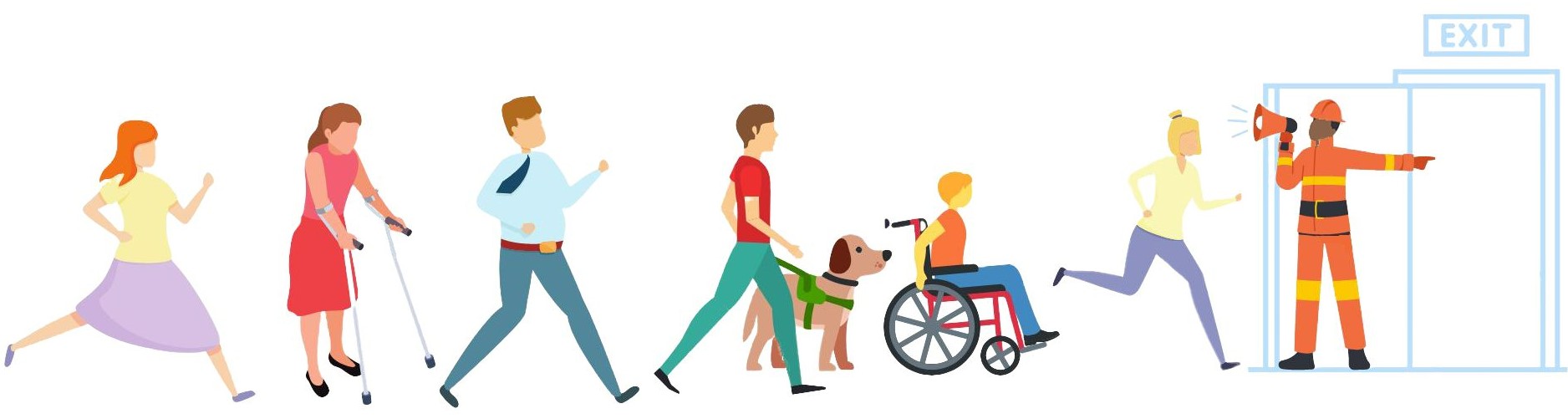
You’re tucked in, maybe feeling a bit under the weather, perhaps watching some questionable daytime TV, when suddenly – BEEP BEEP BEEP! The distinct sound of a fire alarm pierces the hospital quiet. Your first thought, after a mild heart attack, might be: “Oh great, am I supposed to participate in this? Do I need to grab my gown and shuffle out there like it’s a school assembly?”
It's a common, if slightly absurd, thought when you’re already feeling less than stellar. The idea of adding a mandatory fire drill evacuation to your list of hospital woes, alongside lukewarm food and incessant beeping machines, is enough to make anyone sigh.
The Great Escape: Patient Edition?
Let's cut right to the chase, shall we? Are patients generally required to participate in fire drills? The short, sweet, and incredibly reassuring answer is: probably not in the way you’re imagining. You’re not expected to strap on your non-slip socks and join an orderly queue out the nearest fire exit.
Must Read
Imagine the scene: "Alright folks, everyone out! And don't forget your IV stand, it's a critical part of your escape kit!" It sounds like something straight out of a slapstick comedy, right? The reality is far less chaotic and much more focused on your well-being.
Hospitals: More Than Just Buildings
Hospitals are unique beasts when it comes to fire safety. They're not like your office building, where everyone can (theoretically) grab their laptop and head for the stairs. Here, we've got folks recovering from surgery, connected to all sorts of wires, or perhaps barely able to sit up.
So, when a fire alarm goes off for a drill, the protocol isn't usually "everyone out!" Instead, it’s a highly coordinated dance performed by the hospital staff. They’re the ones who are drilled to perfection, knowing exactly what to do to ensure everyone’s safety, without disturbing patients unnecessarily.
Think of it this way: during a drill, the staff become temporary superheroes, while you, the patient, are the precious cargo they're dedicated to protecting. Your job is to focus on getting better, not on finding your emergency exit buddy.
The Staff Are the Stars of the Show
Hospital fire drills are primarily designed to train the staff. They practice things like: how to use a fire extinguisher, how to close fire doors, how to secure an area, and how to safely move patients if an actual emergency arises. They’re practicing their response, their communication, and their emergency procedures.
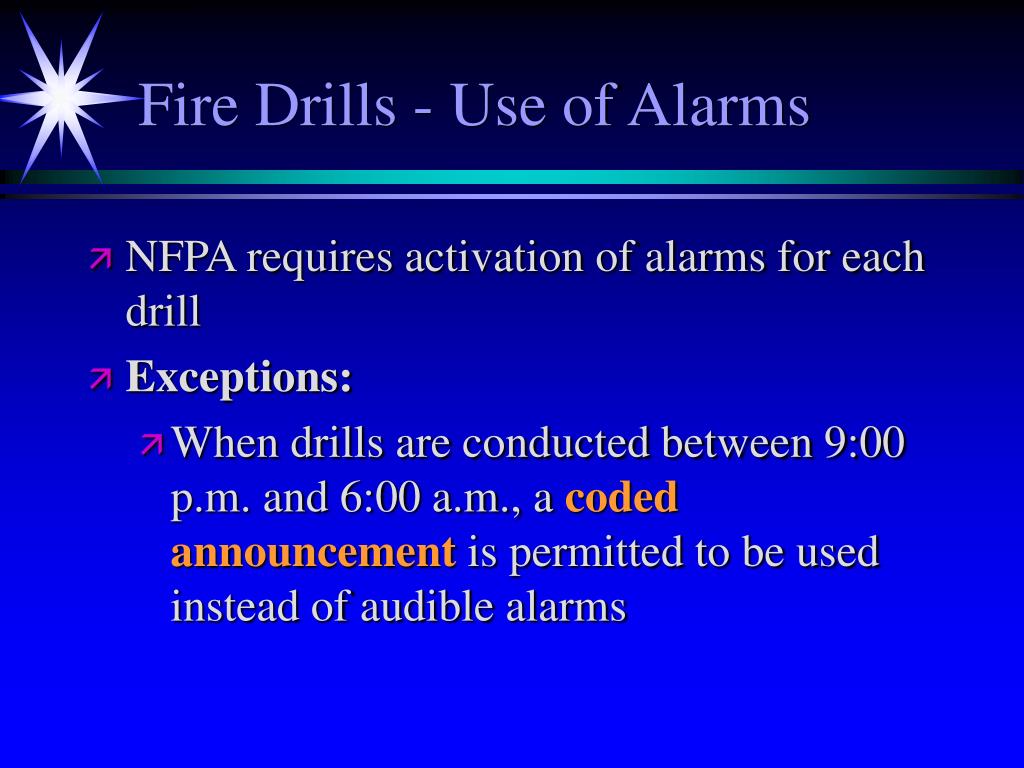
During these drills, you might hear the alarm, but often staff will sweep through, reassuring patients that it's just a drill. They might even politely ask you to stay in your room while they go through their motions. It’s a very different vibe from being herded out into the cold.
They’re not asking you to perform any feats of agility or remember a complex escape route. They’re just asking you to chill. Literally. Maybe watch another episode of that questionable TV show.
Different Strokes for Different Folks (and Rooms)
Of course, there are always nuances. If you're an ambulatory patient, perhaps just in for a quick outpatient procedure, and the alarm sounds, staff might guide you to a safer area within the building or even ask you to wait in a designated safe zone.
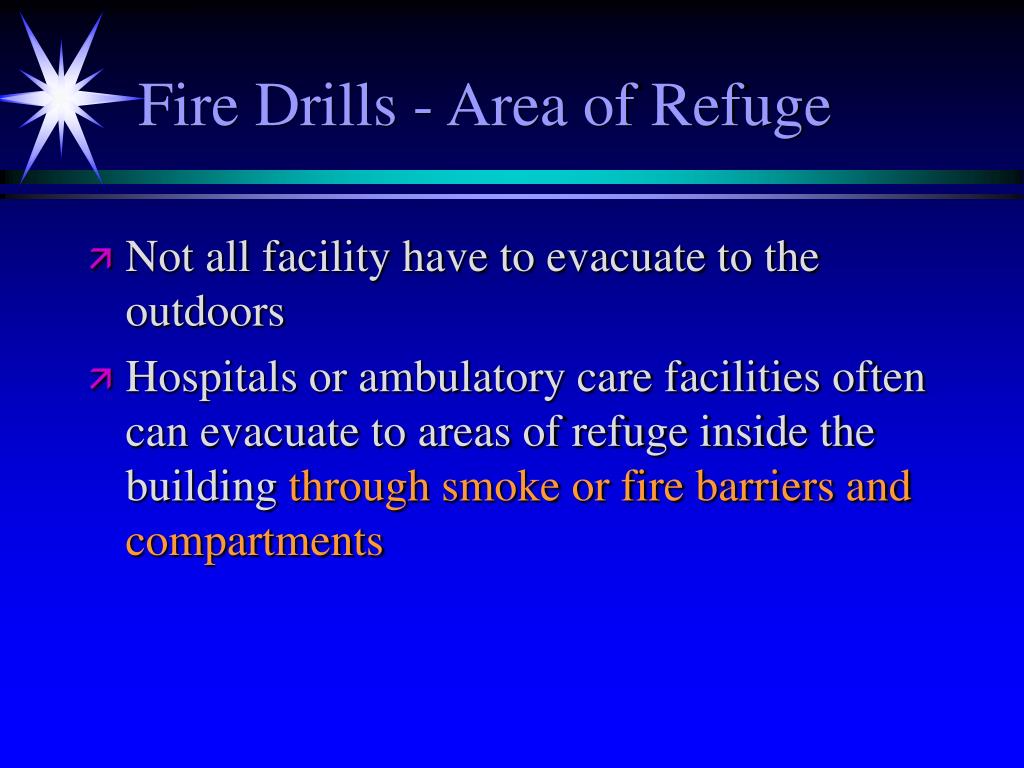
But if you’re bedridden, recovering from major surgery, or in a critical care unit? Absolutely not. There’s no scenario where a nurse is going to unhook your life support and tell you to "scoot along" for a drill. Patient safety and care always, always take precedence.
Imagine new parents in the maternity ward, being asked to gather their newborn and head outside in a light drizzle for a drill. The thought alone is enough to send shivers down your spine, and not just from the hypothetical chill. It simply doesn't happen that way.
When It’s Real vs. When It’s Practice
In a real fire emergency, the response would, of course, be different. Patients might need to be moved horizontally to another section of the hospital, or even evacuated vertically if the situation demands it. But these are complex operations, managed entirely by trained professionals, with patient safety as the absolute top priority.
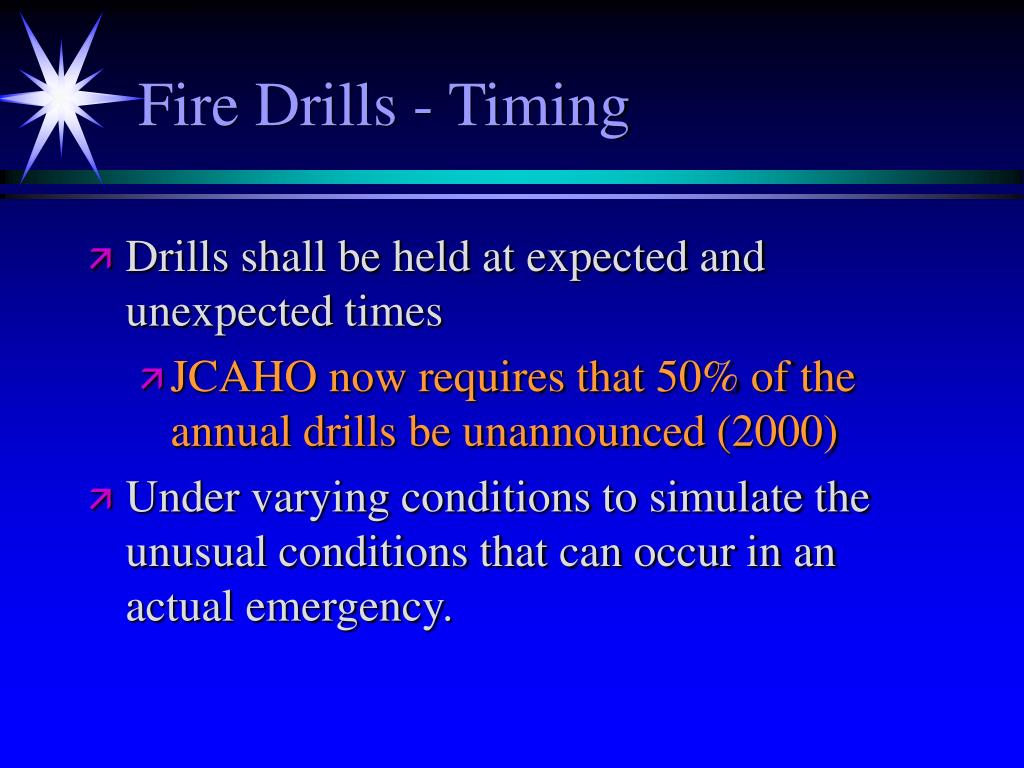
Fire drills are essentially dress rehearsals for the staff, ensuring they’re sharp, coordinated, and ready for anything. They’re not looking for patient participation medals.
So, Relax and Recuperate
Next time you hear that fire alarm while snuggled in your hospital bed, take a deep breath. Unless a staff member specifically instructs you otherwise (and they’ll do so with calm, clear directions), your primary role is still that of a patient: focus on healing. Your personal fire drill participation is likely limited to a brief moment of "what on earth was that?!" followed by the sweet relief of knowing it's just a drill, and the superheroes in scrubs have got it covered.
You’re not required to save the day, just to get better. And honestly, isn't that a relief?