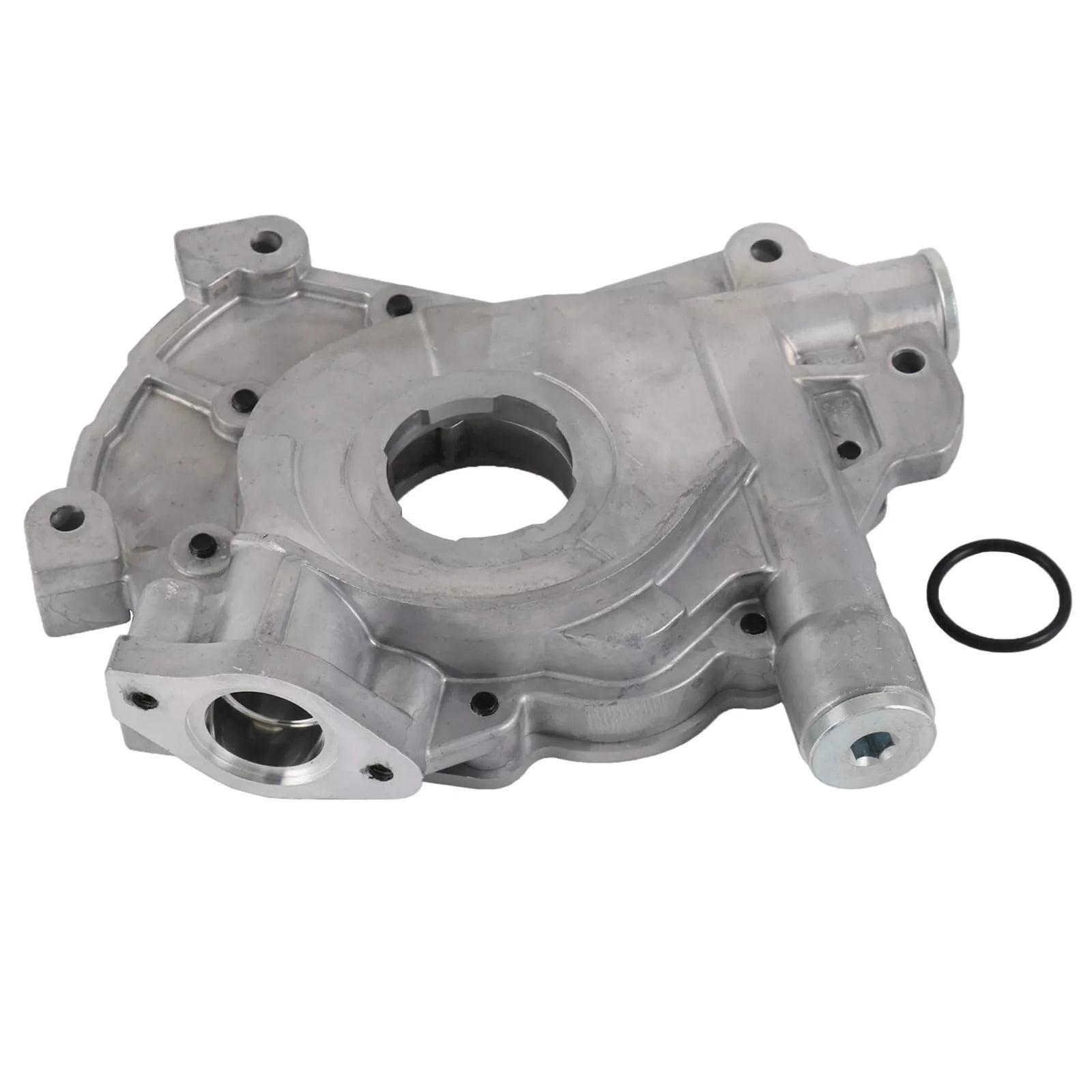
Are High Volume Oil Pumps Worth It

Hey there, gearhead! Ever found yourself staring longingly at a shiny new high-volume oil pump, wondering if it’s the magic bullet your engine needs? Yeah, me too! Let’s dive into the deep fryer (metaphorically speaking, unless you really like deep-fried engine parts) and see if these pumps are worth the hype.
What's the Deal with High Volume Oil Pumps?
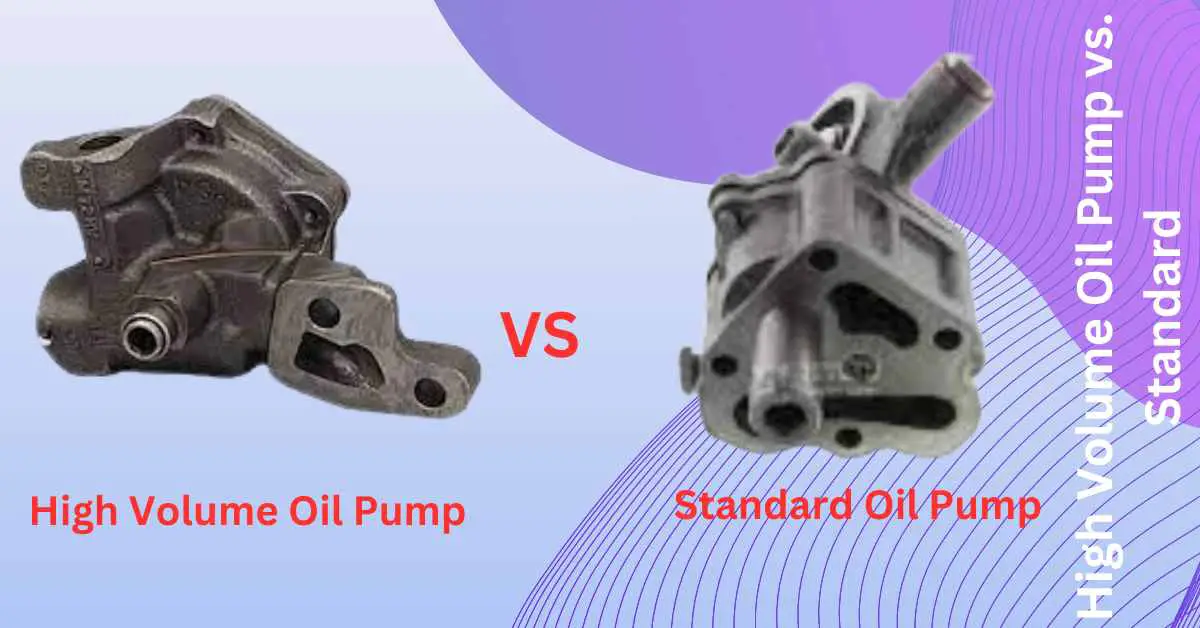
Okay, so a "regular" oil pump is like your engine's heart, circulating life-giving oil. A high-volume oil pump? Think of it as giving your engine a double shot of espresso. It’s designed to pump more oil than a standard pump. Sounds great, right? More oil = more lubrication = happier engine? Well… hold your horses. It's not quite that simple.
The main idea behind these pumps is to ensure adequate oil pressure, especially at high RPMs where your engine is screaming for more lubrication. The reasoning goes that if you've got a modified engine, maybe with bigger bearings or looser tolerances, you might need that extra oil flow.
Must Read
Think of it like watering your lawn. A gentle sprinkle is usually fine, but if your lawn is gigantic and the sun is scorching, you might need a more powerful sprinkler. Get it? Oil is the water; your engine is the lawn. I'm so good with analogies, I should get paid for this!
The "But" Factor: When More Isn't Always Merrier
Here's the catch: just because you can pump more oil doesn't mean you should. A high-volume pump can actually cause problems if your engine doesn't need it. Kind of like putting jet fuel in a lawnmower – explosive potential, but probably not a good idea.
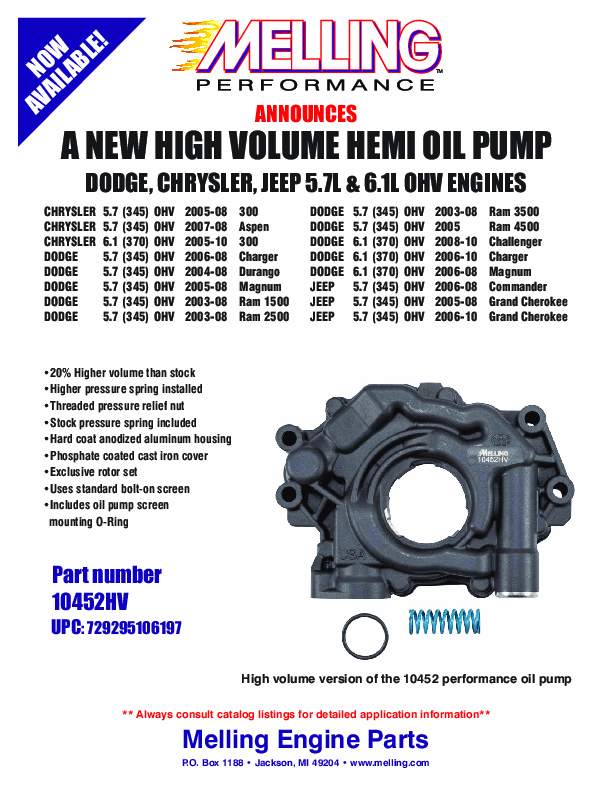
One of the biggest concerns is oil starvation… wait, what? Didn't we say this solves oil starvation? Okay, let me explain. A high-volume pump can empty the oil pan faster than the oil can drain back from the top of the engine, especially at high RPMs. This can lead to the pump sucking air (not good!) and actually causing oil starvation. Irony, thy name is high-volume oil pump (sometimes!).
Another issue is increased parasitic drag. Pumping all that extra oil takes power – power that could be used to turn your wheels and make you the king (or queen) of the drag strip. So, you might be gaining oil pressure, but losing horsepower. It's a trade-off, like deciding between pizza and a salad. Both have their pros and cons, but only one tastes like victory.
Finally, consider your oil filter. All that extra oil flowing through it can put a strain on it. You might need to upgrade to a higher-capacity filter, which adds to the cost. And who wants to spend more money? Certainly not me! I’m saving up for a solid gold oil dipstick. (Just kidding… mostly.)
So, Are They Worth It? Let's Get Real
Alright, let’s cut through the grease and answer the big question: are high-volume oil pumps worth it? The honest answer is: it depends. Like a good relationship, it hinges on compatibility.
They're potentially worth it if:
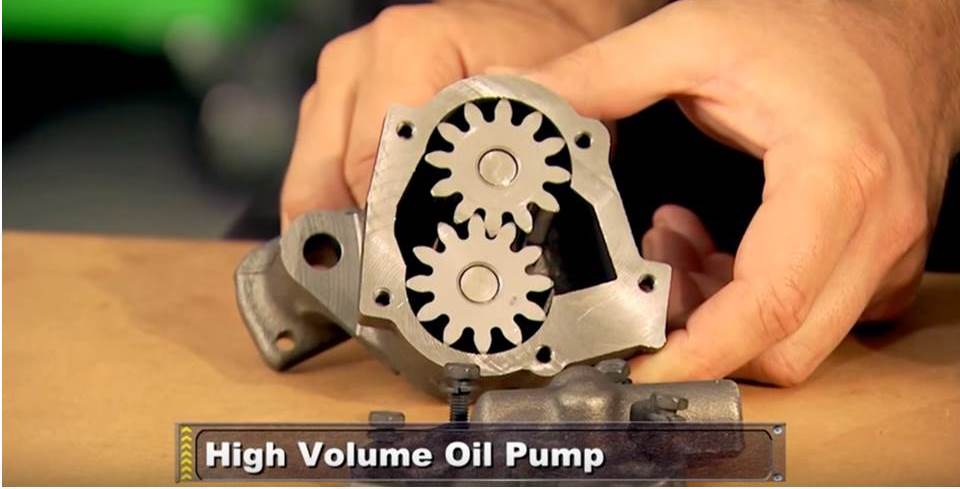
- You have a heavily modified engine with increased bearing clearances or other modifications that require more oil flow.
- You consistently run your engine at high RPMs for extended periods (like in racing applications).
- You’ve consulted with a qualified engine builder who recommends it based on your specific engine build.
They're probably not worth it if:
- Your engine is mostly stock.
- You primarily drive on the street and rarely push your engine to its limits.
- You're just looking for a quick fix to a low oil pressure problem (address the underlying issue first!).
Bottom line: Don't just throw a high-volume oil pump at your engine hoping for magic. Do your research, talk to the experts, and make sure it's the right choice for your specific needs. It's all about being smart, not just throwing parts at the problem like a monkey throwing bananas at a zoo visitor. (No offense to monkeys. They're probably better at diagnosing engine problems than some people I know).
The Uplifting Conclusion (Finally!)
So, there you have it! High-volume oil pumps: a tool, not a toy. When used correctly, they can be a valuable addition to a performance engine. But like any modification, it’s crucial to understand the potential consequences. Now go forth, tinker with your engines responsibly, and may your oil pressure always be… well, appropriate for your engine! And remember, even if you mess something up, at least you'll have a good story to tell. Keep wrenching, keep learning, and keep smiling!