
Are Greenworks 60v And 80v Batteries Interchangeable
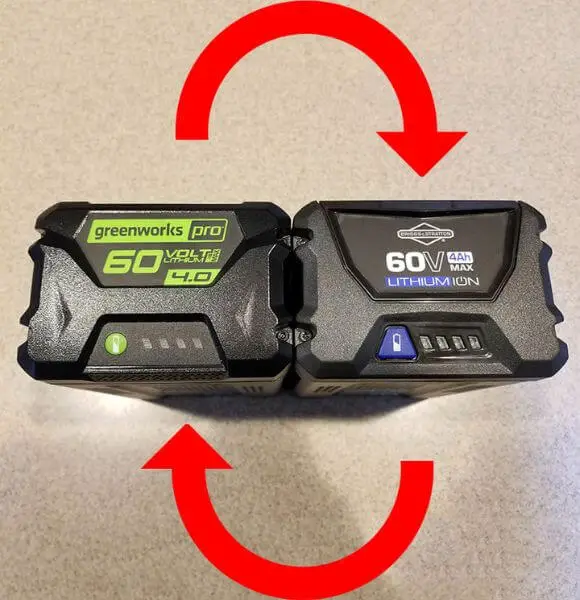
Okay, buckle up buttercup, because we're diving into the thrilling world of Greenworks batteries! Specifically, the burning question: can you swap those Greenworks 60V and 80V batteries like swapping socks (hopefully clean ones)?
The Short Answer (Because Who Has Time?)
Nope! A big, resounding, confetti-cannon-worthy NO. They are not interchangeable. Think of it like trying to fit a square peg in a round hole, only with more volts and the potential for sparks.
Seriously, don't do it. Trust me on this one.
Must Read
The Slightly Longer (But Still Fun) Explanation
Imagine you're trying to power a tiny toy car. A single AA battery does the trick, right? Now, imagine trying to power that same car with, say, a car battery. Boom! Overkill, to say the least.
That's kind of what's happening with these batteries. Greenworks designed their 60V and 80V systems with specific tools in mind. The voltage is like the amount of "oomph" being delivered.
The 80V system needs more oomph because it's powering tools that require serious muscle, like chainsaws tackling redwood trees (okay, maybe not redwood trees, but definitely thick branches!). The 60V system is like the slightly less muscular cousin, perfectly happy trimming hedges and blowing leaves.
Why the Mismatch Matters (Beyond Just Not Working)
Trying to force a 80V battery into a 60V tool (or vice versa) is a recipe for disaster. At best, it just won't work. At worst, you could fry the tool, damage the battery, or even... well, let's just say you don't want to become a YouTube sensation for all the wrong reasons.
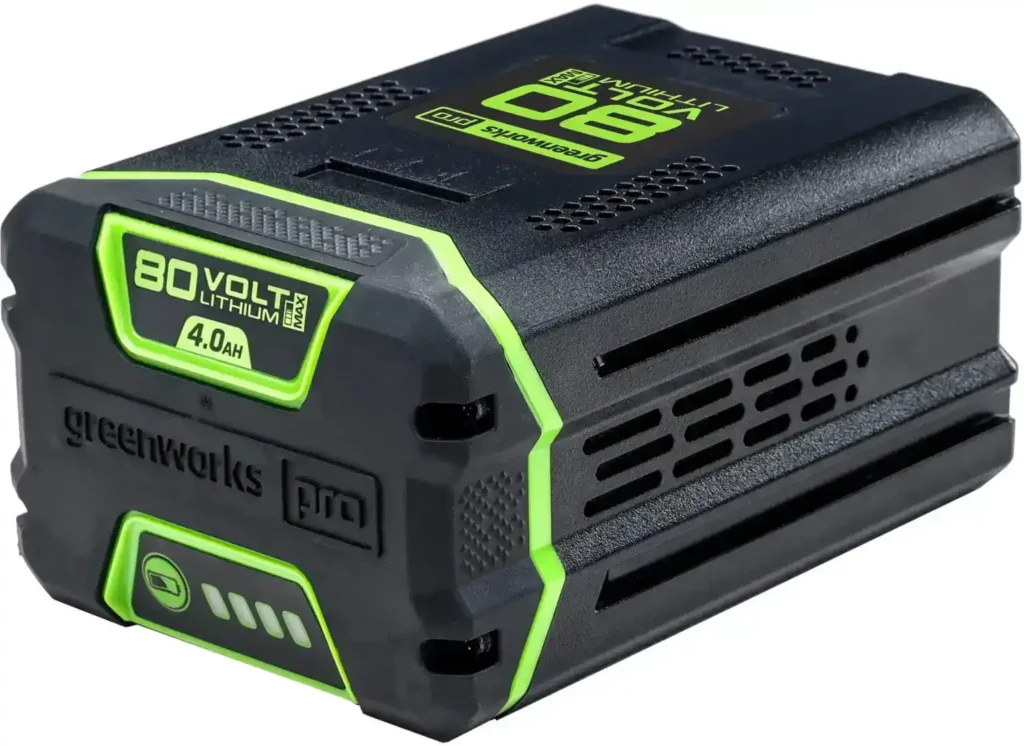
Think of it like this: your tool is like a delicate flower, and the battery is the water. Too much water (voltage), and you drown the flower! Too little, and it wilts. Gotta get that Goldilocks "just right" scenario.
How to Tell the Difference (Without Needing a PhD in Battery Science)
Luckily, Greenworks makes it pretty easy to tell the batteries apart. They're clearly labeled! Look for the big "60V" or "80V" right on the battery itself.
Also, the physical design of the batteries and the tools is different. The connections are specifically made to prevent accidental swaps. It's like Greenworks is saying, "We've got your back, even if you're having a 'blonde moment!'"
Real-World Examples (Because Life is All About Relatability)
Let's say you bought a shiny new Greenworks 60V lawnmower. You're all excited to ditch the gas and embrace the electric revolution. Now, you remember that your neighbor, bless his heart, has a Greenworks 80V chainsaw. You think, "Hey, maybe I can borrow his battery to mow my lawn faster!"
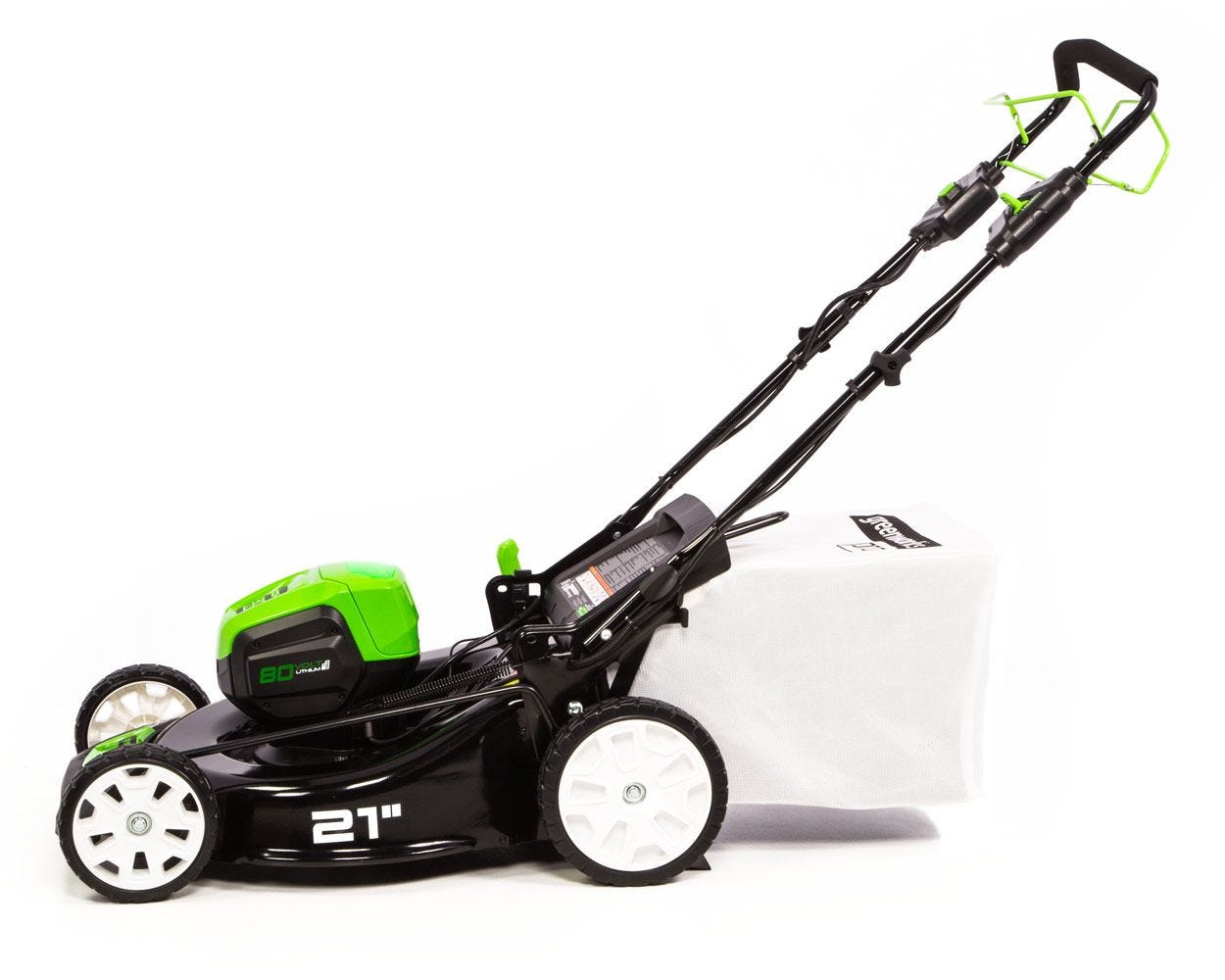
DON'T DO IT! Stick with the 60V battery that came with your lawnmower. Your lawnmower will thank you. Your neighbor will thank you. Your wallet will thank you (because you won't have to buy a new lawnmower).
Another scenario: you're a savvy shopper and snagged a sweet deal on a Greenworks 80V leaf blower. You already have a 60V Greenworks drill. Thinking you're a battery-sharing genius, you try to use the 80V battery in your drill. Nope, won't work. The drill requires the proper 60V power source.
What About Other Voltages? (Like 24V or 40V)
The same rule applies to other Greenworks battery voltages. 24V batteries are for 24V tools, 40V batteries are for 40V tools, and so on. It's all about matching the voltage to the specific needs of the tool.
Don't get creative and try to Frankenstein your power tools. You'll likely end up with a smoking, sparking mess, and nobody wants that!
The Bottom Line (In Case You Skipped Everything Else)
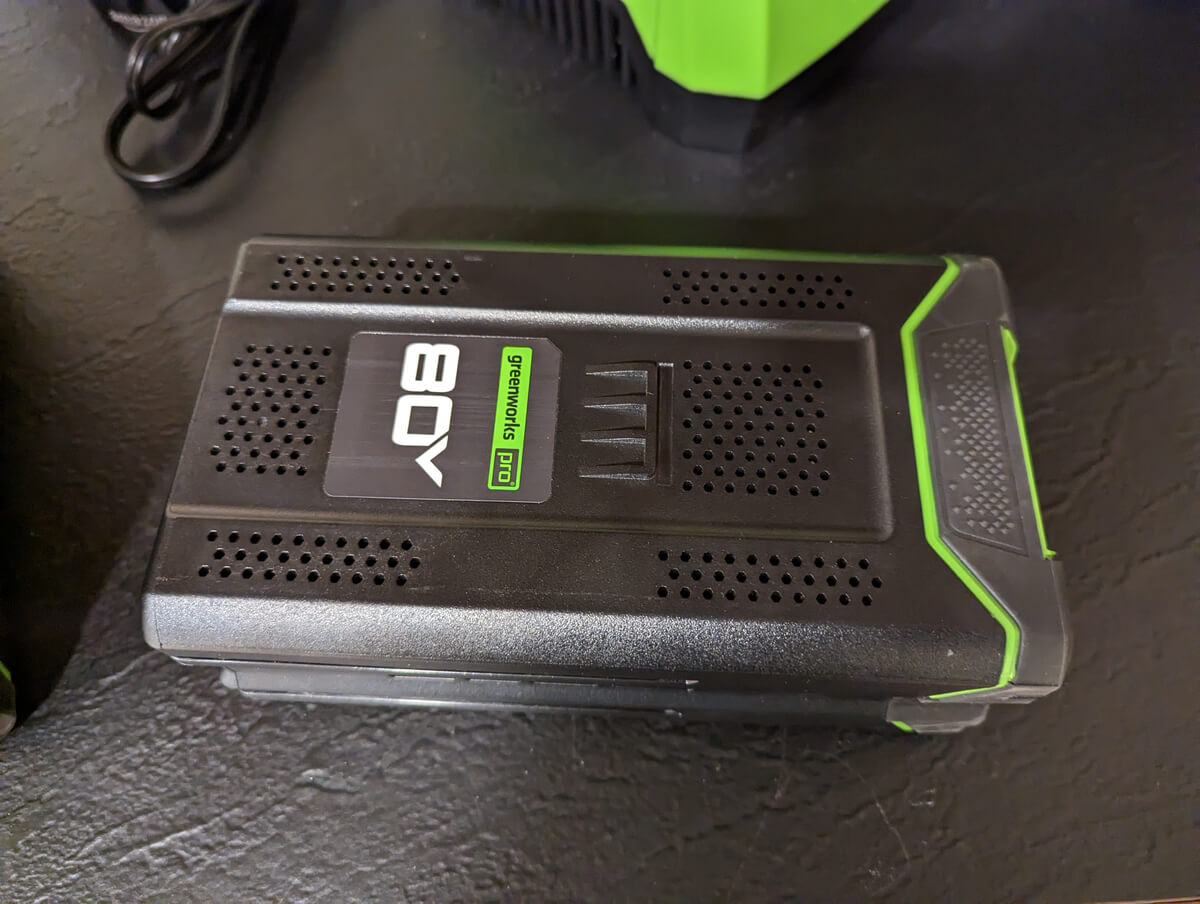
Greenworks 60V and 80V batteries are NOT interchangeable. Use the correct battery for the correct tool, and everyone will live happily ever after. The End.
Okay, Maybe a Little More Detail... (If You're Really Interested)
The reason they aren't interchangeable boils down to more than just voltage. Battery chemistry, power management systems, and tool design all play a role. Greenworks engineers meticulously designed each system to work optimally with its corresponding battery.
Think of it like a finely tuned orchestra. Each instrument (battery and tool) is designed to play its specific part. If you try to force a tuba to play the flute's part, it's not going to sound very good (or even work at all).
So, What Can You Interchange? (A Glimmer of Hope!)
While you can't swap voltages willy-nilly, you can often use different amperage (Ah) batteries within the same voltage system. Amperage is like the size of the fuel tank – it determines how long the battery will run. A higher Ah battery will simply run the tool longer than a lower Ah battery, within the same voltage family.
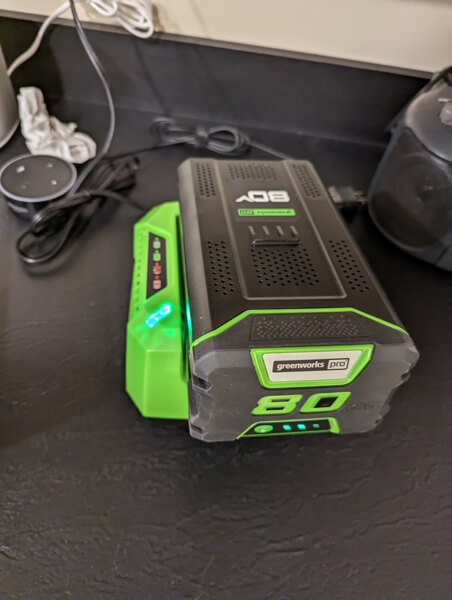
For instance, if you have a Greenworks 60V lawnmower, you can use a Greenworks 60V 2Ah battery, a Greenworks 60V 4Ah battery, or even a Greenworks 60V 5Ah battery. They'll all power the lawnmower, but the higher Ah batteries will let you mow for a longer time before needing a recharge.
Just make sure the battery is physically compatible and designed to work with your tool. Greenworks usually provides a list of compatible batteries in the tool's user manual. When in doubt, consult the manual or contact Greenworks customer support.
Final Thoughts (And a Little Pep Talk)
Don't be intimidated by the world of power tool batteries! It's not as complicated as it seems. Just remember the golden rule: match the voltage, and you'll be golden. And always, always read the manual. It's there for a reason (besides being a paperweight!).
Now go forth and conquer your yard work with confidence (and the right batteries)! You've got this!
Happy gardening (or trimming, or blowing, or whatever power-tool-related activity tickles your fancy)!