Are Crocs Good For Plantar Fasciitis
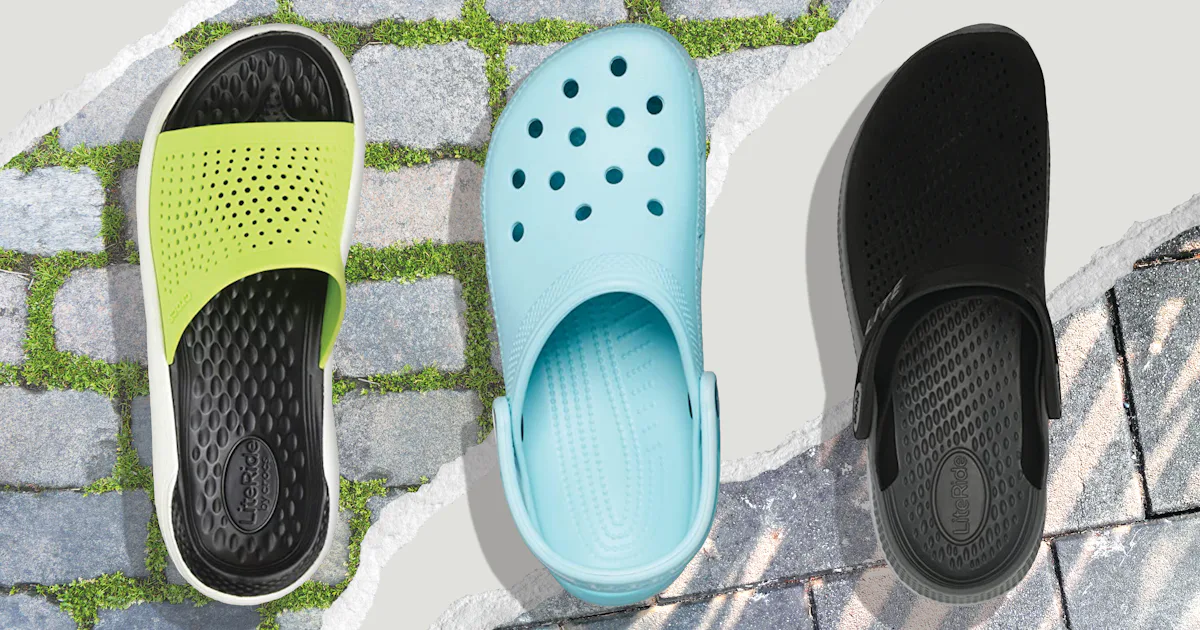
Okay, let's talk Crocs. You either love them or you... well, maybe you just don't quite understand them. But beyond the style debates, there's a real question worth exploring: Are Crocs actually good for plantar fasciitis? It's a question that impacts millions, as plantar fasciitis, that pesky heel pain, is a super common issue. And let's be honest, if those comfy, colorful clogs could offer relief, wouldn't that be a game-changer?
First, let's break down plantar fasciitis. It's basically inflammation of the plantar fascia, the thick band of tissue that runs along the bottom of your foot, connecting your heel to your toes. This inflammation causes that sharp, stabbing pain, especially noticeable in the morning or after periods of rest. Treatment often involves stretching, orthotics, and supportive footwear.
So, where do Crocs come in? The potential benefit lies in their design. Some Crocs models, particularly those from their "medical" or "comfort" lines, offer a few features that could be helpful. These features often include arch support, a cushioned footbed, and a wide toe box. The arch support aims to alleviate pressure on the plantar fascia, the cushioning absorbs impact, and the wide toe box allows your toes to spread naturally, reducing stress on the foot. The Croslite material itself is known for being lightweight and offering a degree of shock absorption.
Must Read
However, and this is a big however, not all Crocs are created equal. The classic, original Croc design, while undeniably iconic, may not offer enough support for individuals with plantar fasciitis. They lack the structured arch support and heel cup that are often recommended by podiatrists. Think of them more like a very cushioned flip-flop. Wearing them for extended periods, especially if you're already prone to plantar fasciitis, could actually exacerbate the problem.

How can you explore whether Crocs might be helpful for you? The best approach is to consult with a podiatrist. They can assess your specific condition and recommend appropriate footwear, which may or may not include specific Crocs models. If you're determined to try them, look for Crocs marketed for medical or occupational use, focusing on features like arch support and heel stability. You might also consider adding aftermarket orthotic inserts to your Crocs for added support. Start by wearing them for short periods around the house and gradually increase wear time if you experience relief. If your pain worsens, discontinue use immediately.
In daily life, people with mild plantar fasciitis might find Crocs a comfortable option for short errands or around the house. Just remember, they're not a cure-all, and they shouldn't replace proper medical advice or treatment. Think of them as a potential tool in your plantar fasciitis management arsenal, not the entire toolbox. Ultimately, listening to your body is key. If they feel good and provide relief, great! If not, there are plenty of other supportive footwear options available.