
Are Carbs Essential For Muscle Growth

So, you're on a mission to sculpt those biceps, rock those glutes, and basically transform into a walking, talking Greek statue? You're hitting the gym hard, downing protein shakes like they're going out of style, but... are you giving those humble carbs the side-eye? Let's talk about it.
The Great Carb Debate: Muscle Edition
For years, carbs have been the subject of heated debates. Are they the building blocks of pure, unadulterated energy? Or the sneaky saboteurs of our weight-loss dreams? When it comes to muscle growth, the answer is… well, it's a bit nuanced.
Think of your body like a roaring engine. Protein is the bricks and mortar, repairing and building. But what fuels that engine to lift those heavy weights and actually make those muscles? That's where carbs come in, acting like high-octane fuel.
Must Read
The Glucose Connection
When you eat carbs, your body breaks them down into glucose. This glucose is then stored in your muscles as glycogen – think of it as a readily available energy reserve. The more glycogen you have, the harder and longer you can train, which directly impacts muscle growth. Seems pretty important, right?
Imagine trying to build a magnificent Lego castle with only half the bricks. You might get a cool wall going, but you’ll run out of steam pretty quickly. Carbs ensure you have the energy "bricks" to keep building your "muscle castle."
And what about the post-workout window? Ever heard the saying, "Timing is everything?" Well, it's true here! Refueling with carbs after a workout helps replenish those glycogen stores, setting you up for recovery and future growth.
Insulin: The Muscle-Building Messenger
Here's where it gets a bit more interesting. Carbs stimulate the release of insulin. Insulin isn't just about regulating blood sugar; it's also a powerful hormone that acts like a messenger, telling your muscles to absorb nutrients and, crucially, protein. It's like a VIP pass for protein into your muscle cells!
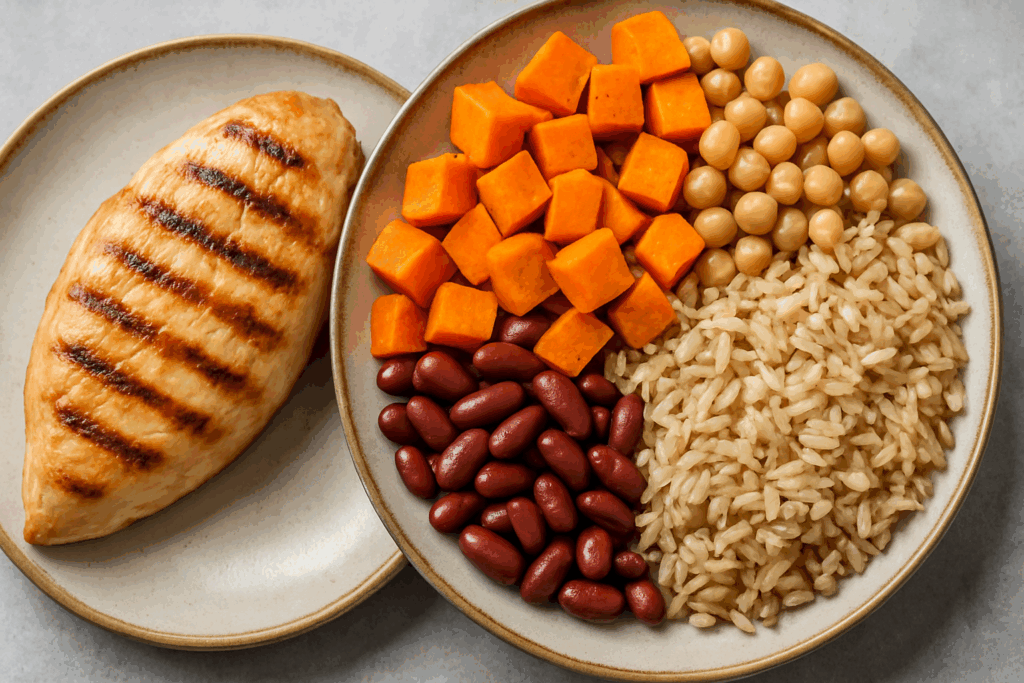
Without sufficient insulin, protein uptake can be hampered, meaning your efforts to build muscle are less effective. So, while protein is essential, carbs play a crucial supporting role in ensuring that protein actually gets where it needs to go. Teamwork makes the dream work!
Now, are you thinking, "Okay, I'll just eat all the carbs then!" Hold your horses! It’s about balance. Too many carbs, and your body might store the excess energy as fat. Which leads us to the next point.
Quality Over Quantity: Carb Choices Matter
Not all carbs are created equal. Think of a race car needing the right kind of fuel. Just like you wouldn’t put cheap gas in a Ferrari, you shouldn’t fuel your body with processed, sugary carbs if you want optimal muscle growth.
Opt for complex carbs like sweet potatoes, brown rice, quinoa, and oats. These provide sustained energy and are packed with fiber and other nutrients. These are the "slow-burning" fuel that will keep you going strong without the blood sugar spikes and crashes. Choose whole, unprocessed foods.

Simple carbs, like candy and soda, can provide a quick energy boost, but they are often followed by a crash. They also lack the nutritional value of complex carbs. Save those for the occasional treat, not as your primary fuel source.
The Protein-Sparing Effect: A Carb's Secret Superpower
Here's a little secret about carbs: they can actually help your body use protein more efficiently. When you don't eat enough carbs, your body might start breaking down protein for energy, which means less protein available for muscle repair and growth.
Carbs have a "protein-sparing" effect. By providing your body with the energy it needs, they prevent it from cannibalizing your hard-earned muscle tissue for fuel. They are the ultimate team player.
What About Low-Carb Diets?
Low-carb diets, like the ketogenic diet, have gained popularity for weight loss. However, they can be tricky when it comes to muscle growth. While some people can build muscle on low-carb diets, it often requires careful planning and attention to nutrient timing. It is hard to get optimal muscle growth.

When carbs are restricted, your body enters a state of ketosis, where it primarily uses fat for fuel. This can be effective for weight loss, but it can also impact your energy levels and ability to perform high-intensity workouts. Plus, it becomes more difficult to replenish glycogen stores, which can hinder muscle growth.
If you're considering a low-carb diet for muscle growth, it's crucial to consult with a nutritionist or experienced trainer to ensure you're getting enough protein and other essential nutrients.
Individual Needs: It's All About You
The optimal amount of carbs for muscle growth varies from person to person. Factors like your activity level, body weight, metabolism, and training goals all play a role. It’s not a one-size-fits-all approach.
Experiment to find what works best for you. Start by tracking your carb intake and how it affects your energy levels and performance in the gym. Adjust accordingly based on your results. A good starting point is around 1.5-2 grams of carbs per pound of bodyweight, but this can vary.

Listen to your body! If you're feeling sluggish and struggling to recover, you might need to increase your carb intake. Conversely, if you're gaining unwanted weight, you might need to dial it back a bit.
In Conclusion: Carbs Deserve Respect
So, are carbs essential for muscle growth? While you can technically build muscle without them, they play a vital supporting role. They fuel your workouts, replenish glycogen stores, and facilitate protein uptake. They are the unsung heroes of muscle growth.
Think of your diet as a symphony. Protein is the lead violinist, drawing all the attention. But the other instruments – including the carbohydrate section – are essential for creating a harmonious and powerful sound.
So, don't be afraid to embrace carbs! Just make sure you're choosing the right types and consuming them in moderation. Your muscles will thank you for it. Now go lift some weights!