
Are Carbon Monoxide Detectors Reliable

Hey there, curious minds! Ever heard of carbon monoxide, that spooky, invisible gas often called the "silent killer"? It’s a bit like a ninja in your home – you can’t see it, you can’t smell it, and you certainly can’t taste it. But it can be super dangerous if it builds up. Pretty chilling, right?
Thankfully, we have some awesome little gadgets designed to sniff out this sneaky gas for us: carbon monoxide detectors. They're like your home's personal bodyguard, always on alert. But here's a thought that might have crossed your mind: Are these little heroes actually reliable? Can we really trust them with our well-being? Let's dive in with a relaxed, curious vibe and find out!
The Sneaky Suspect: What is Carbon Monoxide, Anyway?
Before we talk about catching CO, let's briefly chat about what it is. Carbon monoxide (CO) is a byproduct of incomplete combustion. Think about anything that burns fuel in your home: your furnace, gas stove, water heater, fireplace, even a car idling in a garage. If these things aren't working perfectly, or if ventilation is blocked, CO can build up. It essentially "suffocates" your blood cells, making them unable to carry oxygen. Not fun!
Must Read
Because it's so stealthy, early detection is absolutely key. That's where our detectors come in.
How Do These Gizmos Actually Work? (The Cool Science Bit!)
It might seem like magic, but CO detectors use some pretty clever tech. Most modern detectors use what's called an electrochemical sensor. Imagine a tiny, high-tech nose inside the detector.
This sensor contains a chemical solution and electrodes. When carbon monoxide gas floats into the sensor chamber, it reacts with the solution, creating an electrical current. The more CO there is, the stronger the current. It’s like a mini, super-sensitive chemical lab constantly running tests on your air!

When this electrical current reaches a certain threshold – measured in "parts per million" (PPM), which is like counting specific invisible grains of sand in a massive invisible sandbox – the detector knows something's up and sounds the alarm. Pretty smart, huh?
So, Are They Reliable? The Million-Dollar Question!
Okay, drumroll please! The short answer is: Yes, mostly! When properly maintained and correctly installed, carbon monoxide detectors are incredibly reliable at doing their job. They've saved countless lives and prevented untold tragedies. Think of them as tiny, ever-vigilant guardians that never take a coffee break.
However, just like any superhero, they have their limitations and need a little TLC to perform at their best. Let's peek behind the curtain at what makes them tick (or not tick).
1. Age Matters (They're Not Forever Young!)
This is a big one! CO detectors don't last forever. Their internal sensors degrade over time. Most manufacturers recommend replacing your CO detector every 5 to 10 years. It's usually printed right on the back of the unit. Think of it like your phone battery – it slowly loses its oomph over the years.
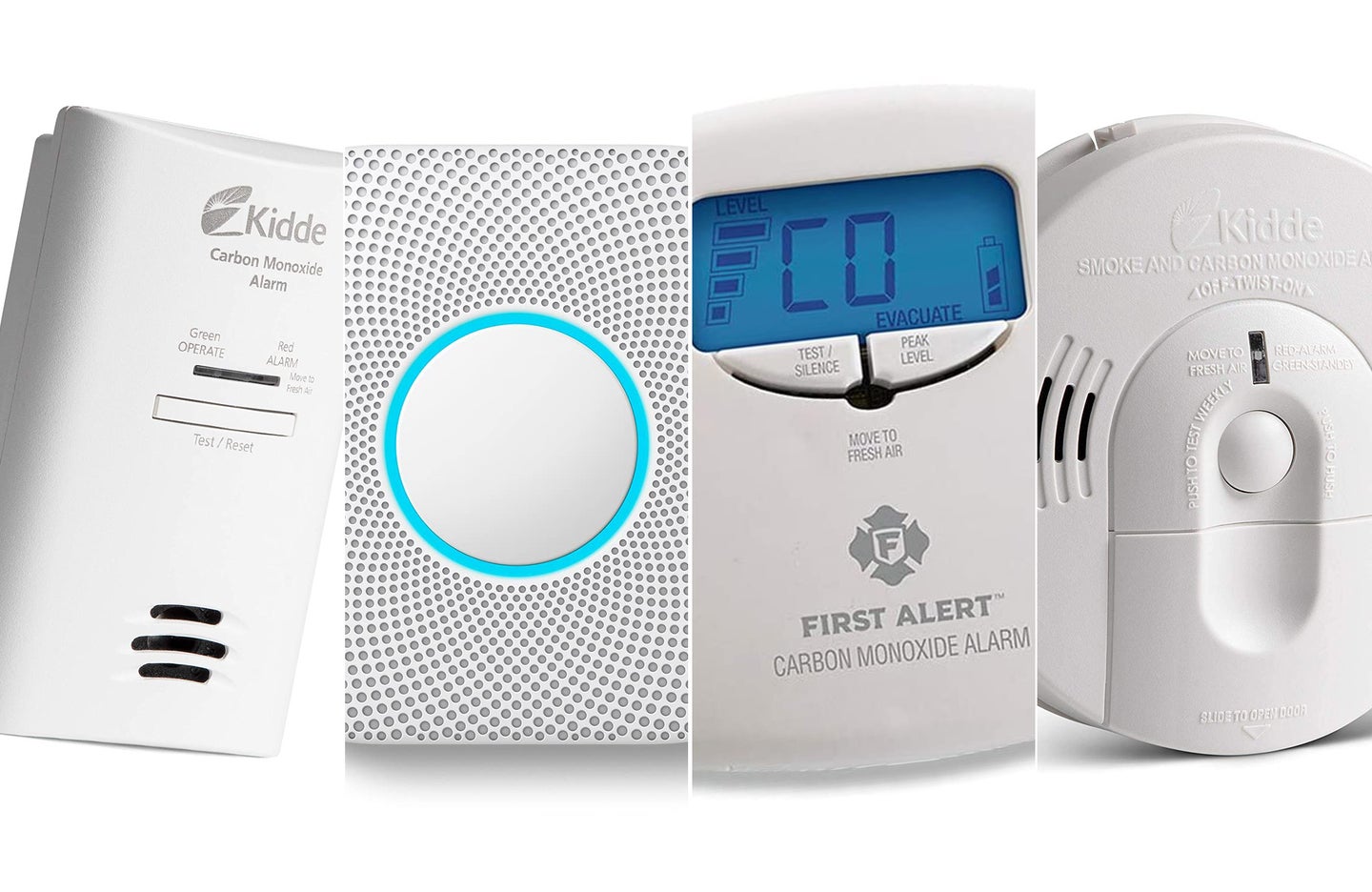
An old detector might be less sensitive, slower to react, or even stop working altogether. So, make a note on your calendar, or better yet, check the date on your current one right now!
2. Placement is Everything (Location, Location, Location!)
Where you put your detector matters a lot. You wouldn't put a guard dog in the attic, right? Detectors should be placed on every level of your home, especially near sleeping areas.
Avoid putting them directly above or next to fuel-burning appliances, as this can trigger false alarms. Also, keep them away from direct sunlight, out of reach of pets, and not behind curtains or furniture where air circulation is poor. Give them a clear view of the air, ideally at chest height or on the ceiling.
3. Maintenance is Key (A Little Love Goes a Long Way)
Just like a car needs an oil change, your CO detector needs a little attention.
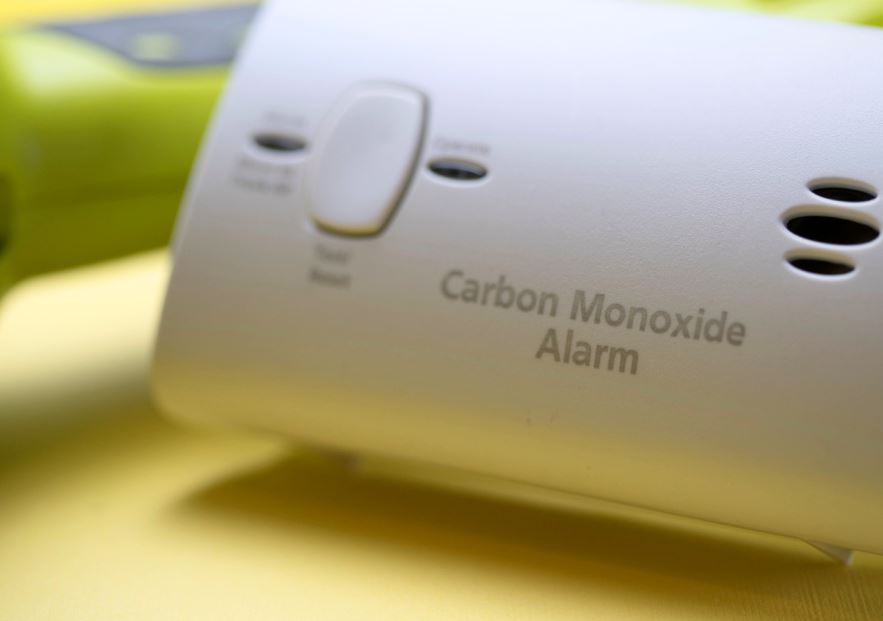
- Test Button: Press the "test" button regularly (once a month is a good habit!). It’s like a quick check-in with your superhero.
- Batteries: If it's battery-powered, change the batteries annually (maybe when you change the clocks for daylight saving!).
- Dusting: Give it a gentle dusting every now and then. A clogged sensor is a grumpy sensor.
4. Quality and Certifications (Look for the Good Stuff!)
When buying a new detector, look for recognized certification marks like UL, CSA, or ETL. These mean the product has been tested to meet specific safety standards. It's like checking for a trusted brand name on your favorite gadget – it gives you peace of mind.
5. False Alarms (Sometimes They Cry Wolf)
Occasionally, a CO detector might let out a chirp or a full alarm when there's no actual CO threat. This can be annoying, but it's part of their personality!
- End-of-Life: Often, persistent chirping means the unit has reached its lifespan and needs replacing.
- Low Battery: Another common cause of chirping.
- Other Gases: Sometimes other gases, like those from cleaning products or even paint fumes, can momentarily trick the sensor.
While frustrating, a false alarm usually means the detector is still sensitive, which is better than it being completely unresponsive!
Why We Absolutely Need Them (Peace of Mind, Please!)
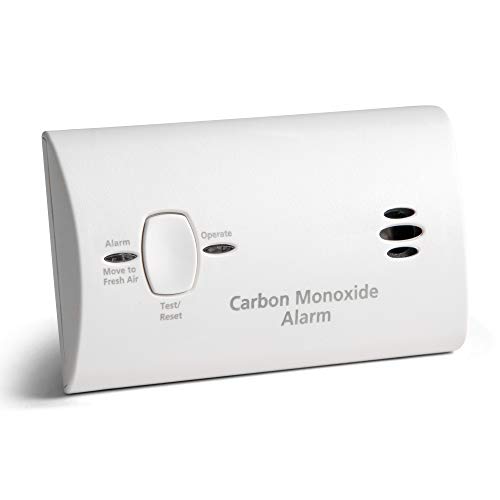
So, after all this curiosity, what’s the takeaway? Carbon monoxide detectors are a fantastic, affordable piece of home safety equipment. They are designed to be reliable, and with a little bit of care and attention from us, they truly are our silent guardians against a very real, silent threat.
Imagine the peace of mind knowing that while you're sleeping, or out living your life, these little gadgets are constantly sniffing the air, ready to warn you long before you'd ever suspect a problem. That's pretty cool, right?
Final Thoughts: Stay Curious, Stay Safe!
In a nutshell, carbon monoxide detectors are highly reliable tools that perform a vital function in our homes. They're not infallible, but understanding how they work and giving them the minimal care they need ensures they’ll be there for you when it truly matters.
So go ahead, check your detectors, replace the old ones, and breathe a little easier knowing your home is guarded by these essential, vigilant heroes. Stay curious, stay informed, and most importantly, stay safe!