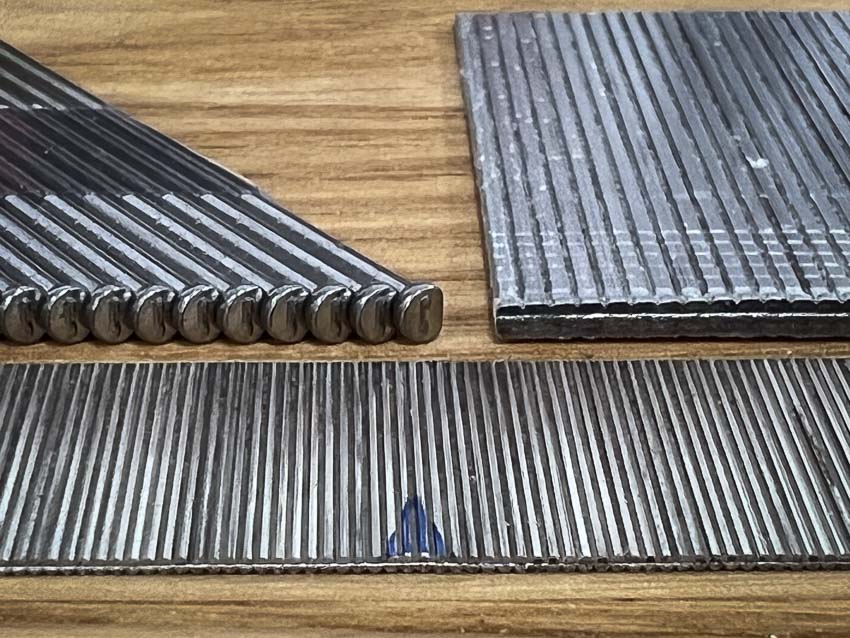
Are Brad Nails And Finish Nails The Same
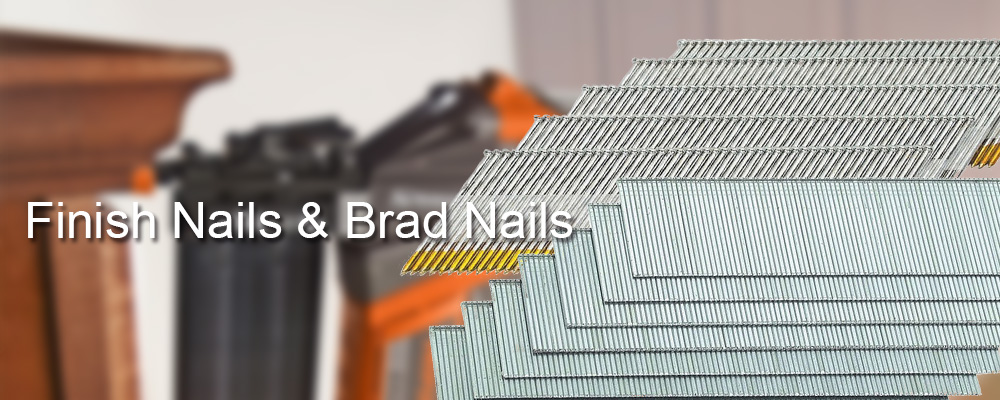
There's something deeply satisfying about a well-finished project. Whether you're a seasoned woodworker or a weekend DIY enthusiast, the right tools and techniques can elevate your creations from functional to fantastic. And when it comes to joining wood, nails are a classic and versatile choice. But have you ever stared at a shelf full of nail options and wondered, "Are brad nails and finish nails actually the same thing?" It's a common question, and the answer, while seemingly simple, can make a world of difference to your projects.
Think about it: nails are everywhere! From securing the trim around your windows to assembling furniture, they provide a reliable and often invisible means of holding things together. They're a cornerstone of construction and craftsmanship, contributing to the structural integrity and aesthetic appeal of countless items we use every day. A picture frame, a birdhouse, even the siding on your home – all likely owe their existence, at least in part, to the humble nail.
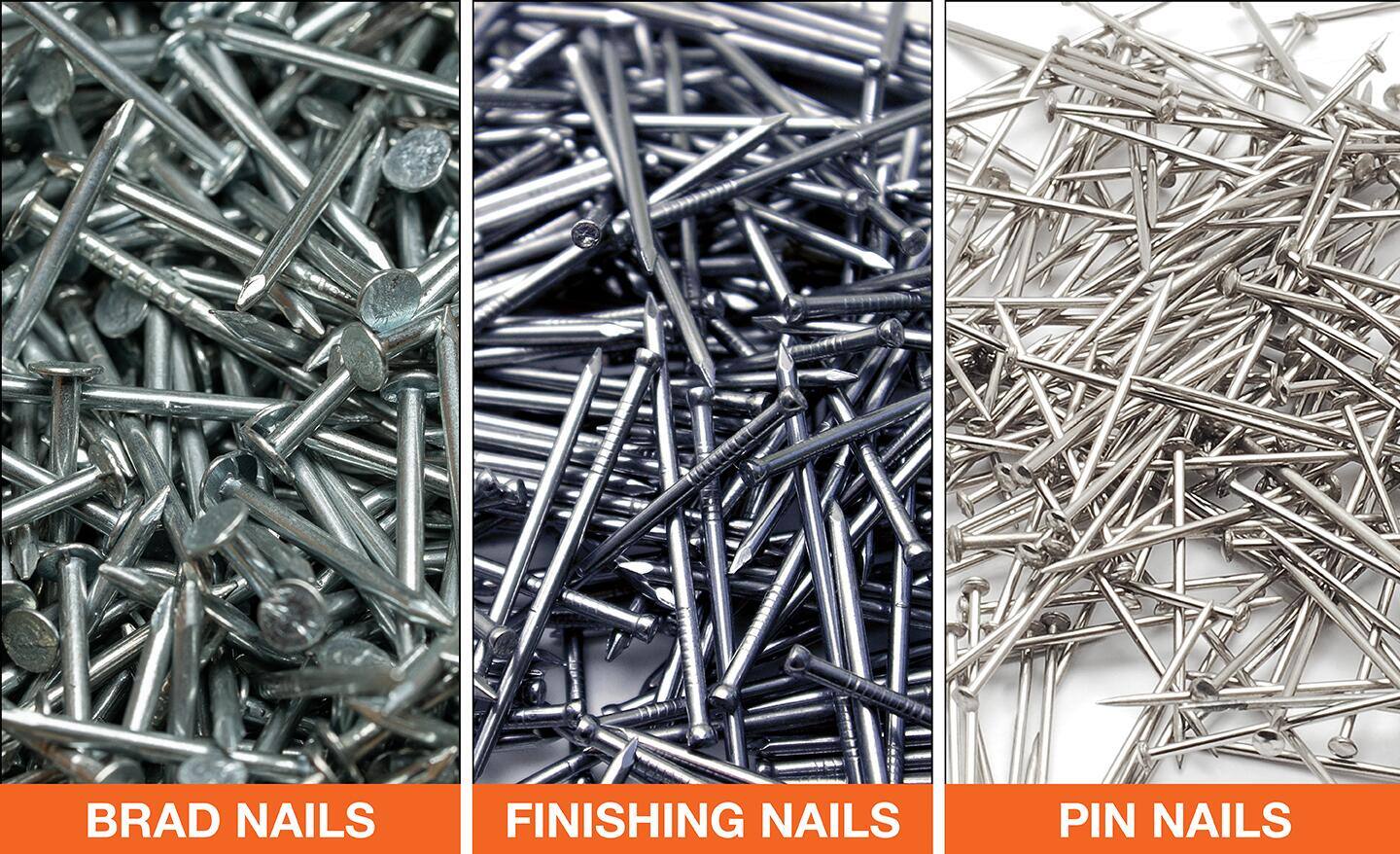
But why bother with different types of nails? Why not just use one kind for everything? The key lies in understanding their purpose and the situations where they excel. Finish nails are designed for, well, finishing work! They have a slightly thicker gauge and a larger head than brad nails. This makes them ideal for securing trim, molding, and other decorative elements where a stronger hold is needed. The larger head provides more surface area for gripping the wood, preventing the trim from pulling away over time.
Must Read
On the other hand, brad nails are the delicate workhorses of the nail world. They're thinner and have a smaller head, making them perfect for projects where you want the nail to be as inconspicuous as possible. Think of attaching thin pieces of wood, securing delicate moldings, or holding items together while glue dries. Because they are so fine, they are less likely to split the wood, especially when working with hardwoods or brittle materials. Common applications include attaching beadboard, securing cabinet backs, and even crafting intricate woodworking details.
So, are they the same? No. While both belong to the family of small, fine nails, their size and intended use differ significantly. Confusing them could lead to frustration – finish nails might split your delicate trim, while brad nails might not provide enough holding power for heavier applications.
Here are a few practical tips to help you enjoy your nailing adventures more effectively:
- Know your wood: Harder woods require finer nails to prevent splitting. Softer woods can often handle slightly larger nails.
- Use a nail set: A nail set allows you to drive the nail head slightly below the surface of the wood without damaging the surrounding area. This creates a seamless finish that's ready for filling and painting.
- Invest in a nail gun: A brad nailer or finish nailer can significantly speed up your projects and provide consistent, professional results.
- Practice makes perfect: Don't be afraid to experiment with different nail types and techniques on scrap wood before tackling your final project. This will help you develop a feel for the right nail for the job.
By understanding the subtle differences between brad nails and finish nails, you can choose the right tool for the job and achieve professional-looking results every time. Happy nailing!