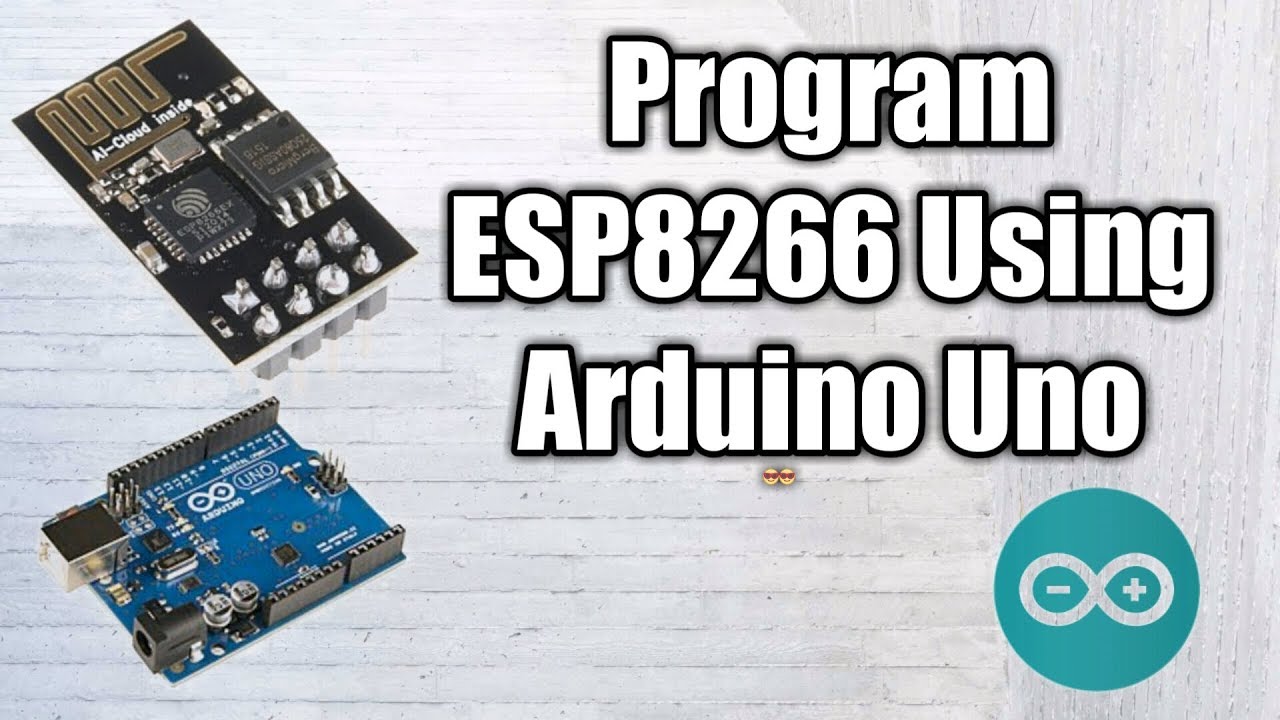
Arduino Uno And Esp8266 And Control Using Smartphone

Okay, picture this: me, frantically trying to water my basil plant while on vacation. Turns out, trusting my neighbor wasn't the best idea (sorry, Susan!). The poor thing was practically begging for a drink. That's when it hit me – there has to be a better, more tech-y way to handle this! And that, my friends, is where the Arduino Uno and ESP8266 combo swooped in to save the day (and my basil).
So, what's the big deal about combining these two, you ask? Well, think of the Arduino Uno as the brains of the operation – a reliable, if slightly simple, microcontroller. It’s good at doing things like reading sensor data (soil moisture, maybe?), controlling motors (for an automated watering system, perhaps?), and generally being a good little worker bee. But, and this is a big but, it doesn't have built-in Wi-Fi.
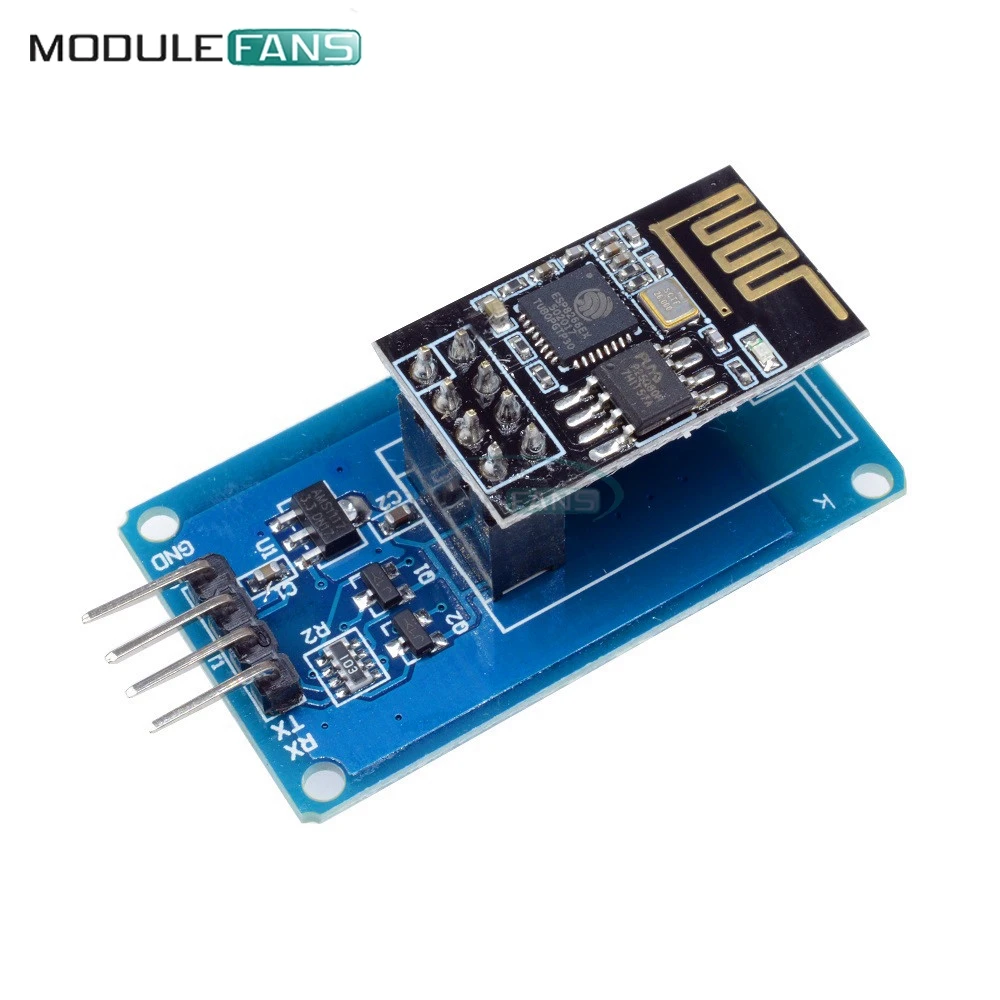
Enter the ESP8266, the Wi-Fi whiz kid. This little chip is a powerhouse of connectivity. It lets you connect your project to your home network, and therefore, to the internet. Suddenly, that basil plant is sending you distress signals via push notifications! (Okay, maybe not distress signals, but you get the idea.)
Must Read
The Dream Team: Arduino Uno & ESP8266
Essentially, the Arduino Uno handles the physical stuff – interacting with sensors and actuators – while the ESP8266 handles the communication aspect. They work together, a beautiful synergy of brains and connectivity.
Think of it like this: the Arduino is the local manager handling the day-to-day tasks, and the ESP8266 is the CEO, reporting back to you (via your smartphone, of course) with all the important updates. Not a bad analogy, right?

Why not just use an ESP32, which has both capabilities built-in? Good question! Sometimes, you might have an Arduino Uno lying around. Plus, learning to interface the two teaches you valuable skills. And frankly, it can be a fun project!
Smartphone Control: The Remote Control of Your Dreams
Now for the fun part: controlling everything from your smartphone! This is where it all comes together. There are a few ways to achieve this, depending on your technical comfort level.

- Using a Cloud Platform (e.g., Blynk, ThingSpeak, IFTTT): These platforms offer user-friendly interfaces and make it super easy to create a mobile app (or use their existing app) to control your Arduino project. Drag and drop interfaces? Yes, please! They handle a lot of the complicated networking stuff, so you can focus on the fun part: making your basil plant happy.
- Building Your Own Web App: If you're feeling adventurous (and have some coding chops), you can create your own web app to interact with your Arduino. This gives you maximum control but requires more technical expertise. Think HTML, CSS, JavaScript…and maybe a strong cup of coffee.
- MQTT (Message Queuing Telemetry Transport): A lightweight messaging protocol perfect for IoT devices. Your Arduino and smartphone can communicate via a broker (like a server) using MQTT. It's a bit more complex than the cloud platforms, but it's very efficient.
Choosing the right method depends on your project and your skills. Start simple, and don't be afraid to experiment! There are tons of tutorials and examples online.
Getting Started: A Few Tips & Tricks
Ready to dive in? Here are a few tips to get you started:
- Understand the Basics: Make sure you have a basic understanding of Arduino programming and the ESP8266. There are countless tutorials online.
- Use a Reliable Power Supply: Don't skimp on the power supply! An unstable power supply can cause all sorts of weird issues.
- Test, Test, Test: Test your code thoroughly before deploying it to your final project. Trust me, you'll thank yourself later.
- Don't Be Afraid to Ask for Help: The Arduino and ESP8266 communities are incredibly helpful. Don't hesitate to ask questions on forums or online groups. Seriously, Google is your friend.
The combination of the Arduino Uno and ESP8266 is a powerful and versatile tool for creating all sorts of connected projects. From simple remote control applications to complex IoT systems, the possibilities are endless. And who knows, maybe you'll even save a basil plant or two along the way! Happy making!