
árbol De La Víbora Y Quina Roja Para Que Sirve
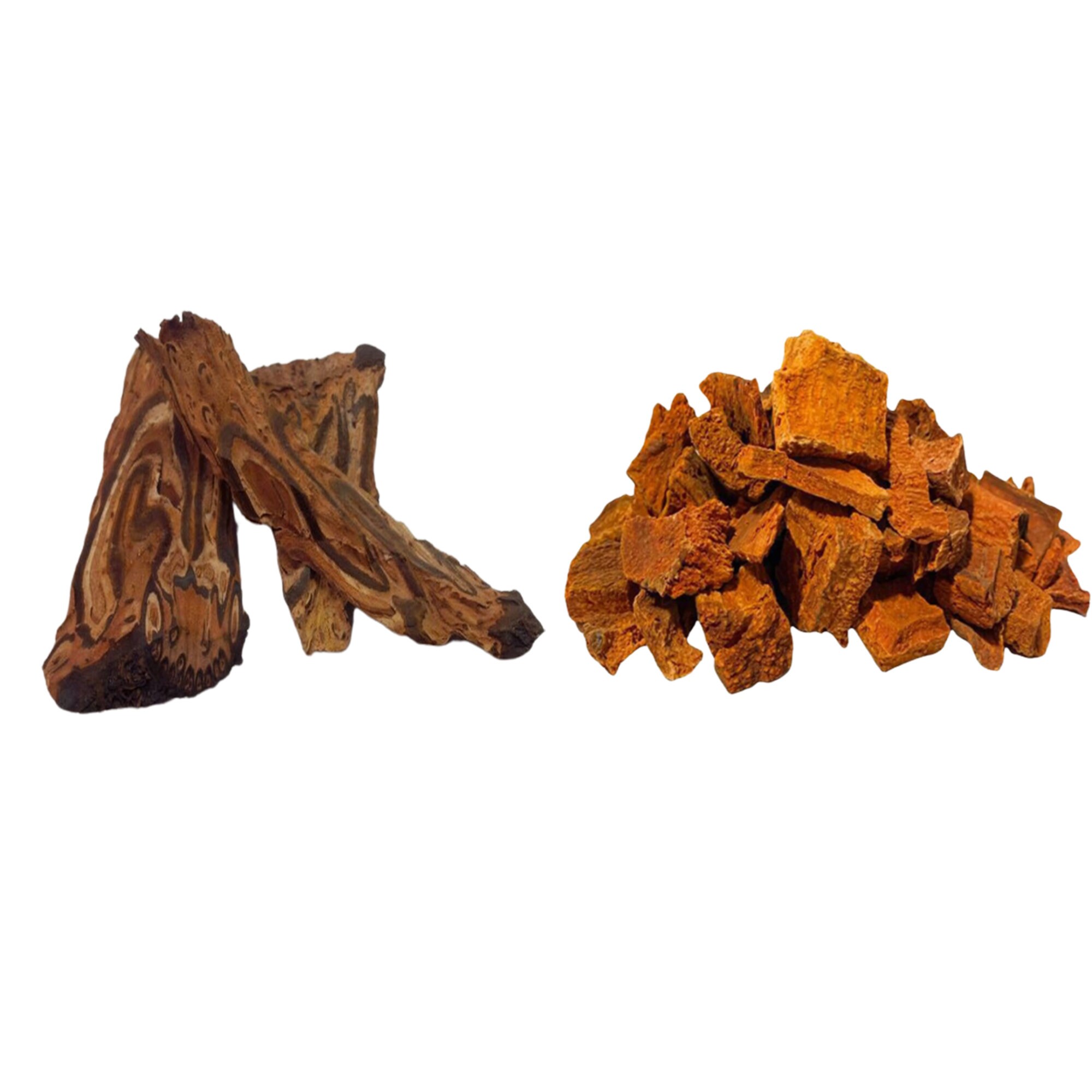
Okay, let's talk about something that sounds like it belongs in a fantasy novel: "Árbol de la Víbora Y Quina Roja." Sounds impressive, right? Maybe even a little intimidating. But trust me, it's less like battling a dragon and more like tackling that overflowing laundry basket – a little daunting at first, but totally manageable.
Basically, we’re talking about herbal remedies derived from two fascinating plants: the “Snake Tree” (Árbol de la Víbora) and the “Red Quina” (Quina Roja). Now, I know what you're thinking: Snake Tree? Is this going to involve handling venomous reptiles? Relax! The name comes from the tree's appearance, not its attitude.
So, what are these plants good for, and why should you even care? Think of them as your body's quirky but reliable sidekicks. They've been used for ages in traditional medicine, particularly in South America, and are still kicking around today for a reason.
Must Read
Árbol de la Víbora: The Anti-Inflammatory Avenger
Árbol de la Víbora, or Snake Tree, is often touted for its anti-inflammatory properties. Inflammation is like that annoying houseguest who overstays their welcome and starts rearranging your furniture. It can show up as joint pain, muscle aches, or even skin irritations.
Think of it this way: You overdid it at the gym trying to keep up with that suspiciously fit person in your Zumba class. Your knees are screaming louder than a toddler denied a lollipop. That's where Árbol de la Víbora might come in handy. It's not going to magically erase your poor decisions, but it could potentially help soothe the inflammation and get you back to pretending you enjoy exercise sooner rather than later. (We've all been there!).

Some folks also use it for digestive issues. Imagine your stomach is a grumpy old man who hates spicy food. Árbol de la Víbora is like a soothing cup of chamomile tea for that grumpy stomach, potentially calming things down and easing discomfort.
Important Note: Like with any herbal remedy, do your research and talk to a healthcare professional before diving in headfirst. You want to make sure it's a good fit for you and doesn't interact with any medications you're already taking. Don’t go full “Indiana Jones” without consulting your doctor first!

Quina Roja: The Fever Fighter (and More!)
Quina Roja, or Red Quina, has a much more famous claim to fame: it's the source of quinine, a compound historically used to treat malaria. You might recognize that word from old movies set in exotic jungles. Fortunately, you probably aren't battling malaria these days (unless you're a very adventurous traveler!), but Quina Roja's properties extend beyond that.
Think of Quina Roja as your body’s bouncer. It helps keep unwanted invaders (like fever and chills) at bay. It's got a bitter taste, which is probably why it's not exactly trending on TikTok, but that bitterness is also what gives it its punch.
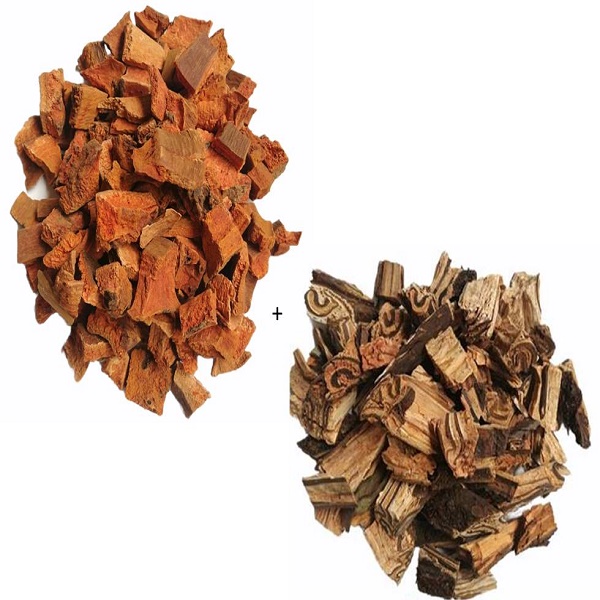
Some people also use Quina Roja to stimulate appetite. Remember that time you had a cold and everything tasted like cardboard? Quina Roja might help reignite your taste buds and get you back to enjoying that slice of pizza (with pineapple, if you're feeling controversial).
And just like its snakey counterpart, Quina Roja has potential anti-inflammatory benefits too! It’s like having a double dose of soothing power, working together to keep you feeling more like your awesome self and less like a deflated balloon.

The Takeaway: Listen to Your Body (and Your Doctor!)
So, there you have it: a whirlwind tour of Árbol de la Víbora Y Quina Roja. They're not miracle cures, but they're powerful plants with a long history of traditional use. The key is to approach them with a healthy dose of curiosity and a bigger dose of caution.
Before you start brewing up a potion, talk to your doctor or a qualified herbalist. They can help you determine if these remedies are right for you, and guide you on proper dosage and usage.
Ultimately, your health is like your favorite pair of jeans – you want to treat it with care, find what fits you best, and not be afraid to ask for help when you need it. So, go forth, explore, and always prioritize your well-being!