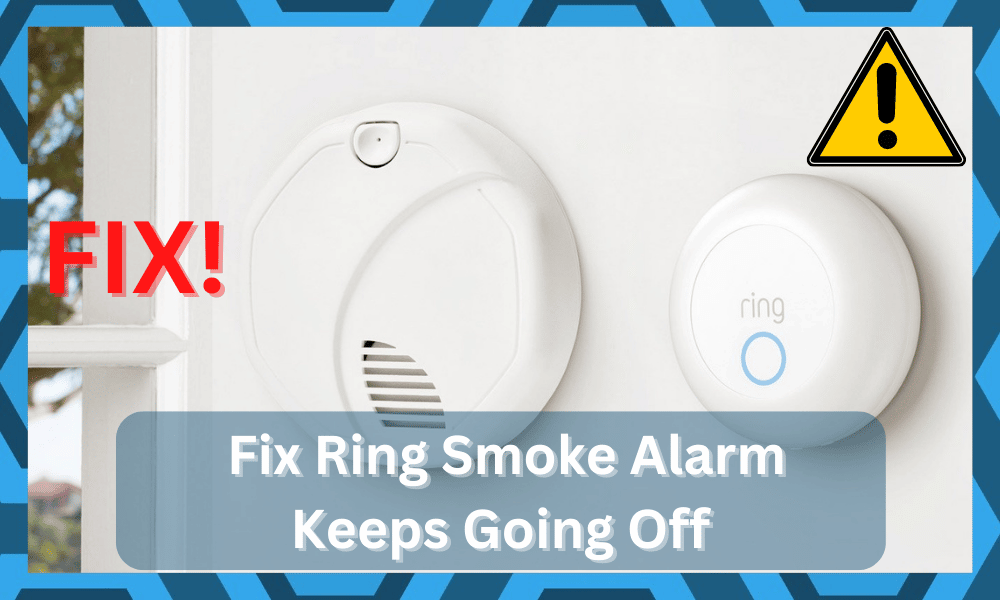
Apartment Fire Alarm Keeps Going Off

Ah, the familiar, ear-splitting symphony of an apartment fire alarm. We've all been there, right? You're deep into a Netflix binge, or perhaps perfecting your culinary masterpiece, when suddenly, a piercing wail shatters the peace. It's not always a real emergency, but it sure gets your heart racing! Far from being just an annoying interruption, these sudden blasts of sound are a fascinating, if sometimes frustrating, part of communal living. Let's peel back the layers of this universally relatable experience and understand why these vigilant guardians of our homes seem to have a mind of their own.
At its core, the purpose of a fire alarm is incredibly simple and profoundly important: to keep us safe. These sophisticated devices, whether they're smoke detectors or heat sensors, are designed to detect the earliest signs of a fire – be it a smoldering ember or a rapid temperature increase – and alert everyone in the building. The immediate benefit is clear: early warning saves lives. It gives occupants crucial minutes to evacuate safely and allows emergency services to respond quickly, minimizing damage to property. Think of them as tireless sentinels, always on duty, ready to scream their warning at the first hint of danger. Even those seemingly "false" alarms, though inconvenient, are a testament to the system's sensitivity and functionality. It means it's working!
While we might not "use" fire alarms in an educational setting in the traditional sense, every time one goes off, it offers an unexpected learning opportunity. It teaches us about building safety protocols, the importance of knowing our exit routes, and even subtle lessons in apartment etiquette (like maybe not burning toast quite so vigorously). In our daily lives, these alarms prompt us to develop quick reflexes: "Is that my apartment's alarm or the building's?" "Did I leave the oven on?" It's a spontaneous lesson in situational awareness. For apartment dwellers, understanding these systems means learning about the different types – some detect visible smoke, others invisible combustion particles, and some are even integrated with carbon monoxide detectors. It highlights the intricate web of safety features built into modern residential buildings, designed to protect hundreds of people simultaneously.
Must Read
So, how can we navigate the curious world of the frequently-tripped apartment fire alarm? First and foremost, never ignore the alarm. While many are false, a genuine emergency is always a possibility. If it’s your alarm, quickly and safely assess the situation. Is something burning? Did you just open the oven to a plume of smoke? Often, a simple solution like opening windows and using a kitchen fan can resolve a minor cooking mishap without further fuss. Knowing how to properly ventilate your apartment during cooking is a simple way to prevent many false alarms.
For persistent or unexplained alarms, or if the building-wide alarm is sounding, follow your building's evacuation plan. It's also a good idea to know where your alarm's reset button is (if applicable to your unit) and how to safely silence it after ensuring there's no actual danger. Most importantly, if you suspect your alarm is faulty, or if it's repeatedly going off without cause, report it to your building management immediately. They can inspect and service the unit, ensuring it functions correctly when it truly matters and minimizes those jarring, non-emergency alerts. Embracing a bit of curiosity about these devices, rather than just frustration, can help us understand and even appreciate the unseen safety net that protects our homes.
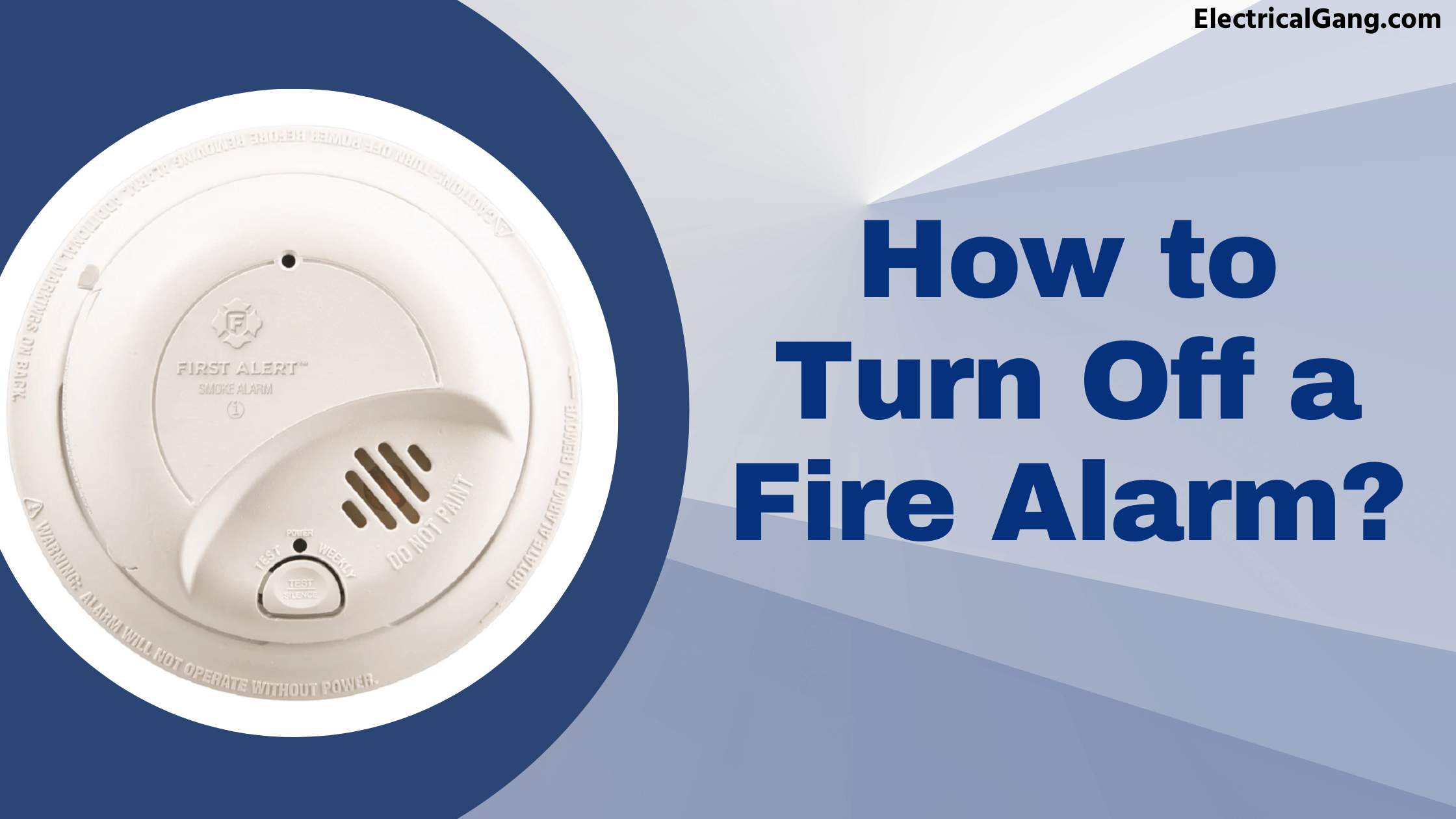

![[4 Easy Ways] - How To Turn Off Fire Alarm In Apartment?](https://www.extraalarm.org/wp-content/uploads/2021/11/How-To-Turn-Off-Fire-Alarm-In-Apartment-768x432.jpg)