
Anterior Drawer Test Of Ankle
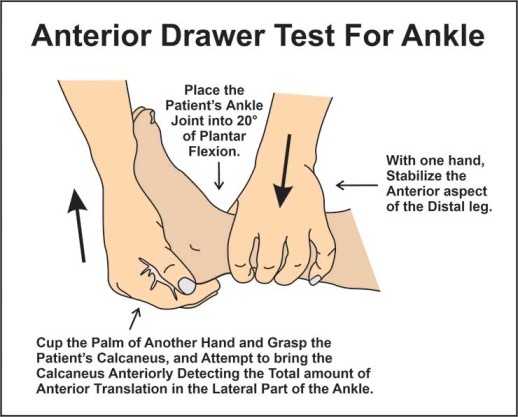
Ever wonder how doctors figure out if your ankle is just a bit sore, or seriously sidelined? Well, get ready to meet a star of the show: the Anterior Drawer Test! It’s like a secret handshake between your foot and the doc.
This little maneuver isn’t about magic tricks or mind-reading. It’s about feeling what's going on beneath the surface. It’s a way to check if those important ligaments around your ankle are doing their job.
Think of your ligaments like the strong rubber bands holding your bones together. If they're stretched or torn, things can get a little wobbly. And nobody wants a wobbly ankle!
Must Read
The Big Reveal: What’s the Hype About?
So, what's the buzz about this test? Why is it so interesting, even a little bit fun? Okay, maybe "fun" is a stretch when your ankle is involved, but hear me out.
Imagine a detective solving a mystery. The Anterior Drawer Test is kind of like that. The detective (your doctor) is looking for clues about your ankle’s stability.
This test is simple but gives a big hint. It is like peeking behind the curtain. The secret? How much your ankle bones move when gently persuaded.
Setting the Stage: A Comfy Setup
First things first, comfort is key. You will probably be asked to sit or lie down. The goal is to keep your leg relaxed. The doctor needs to get a good feel for your ankle's natural state.

Then comes the gentle handling of your foot and lower leg. Don't worry, it's not a wrestling match! It is more of a careful conversation with your ankle.
The doctor will likely hold your lower leg steady. They will then gently pull your foot forward. Remember those ligaments? This is where they get their moment in the spotlight.
The Moment of Truth: Feeling the Feels
This is where the doctor's experience shines. They’re feeling for something very specific. It’s a subtle sensation of movement in your ankle joint.
If your ligaments are healthy and happy, there shouldn't be too much give. It should feel nice and snug. Like a perfectly fitted shoe.
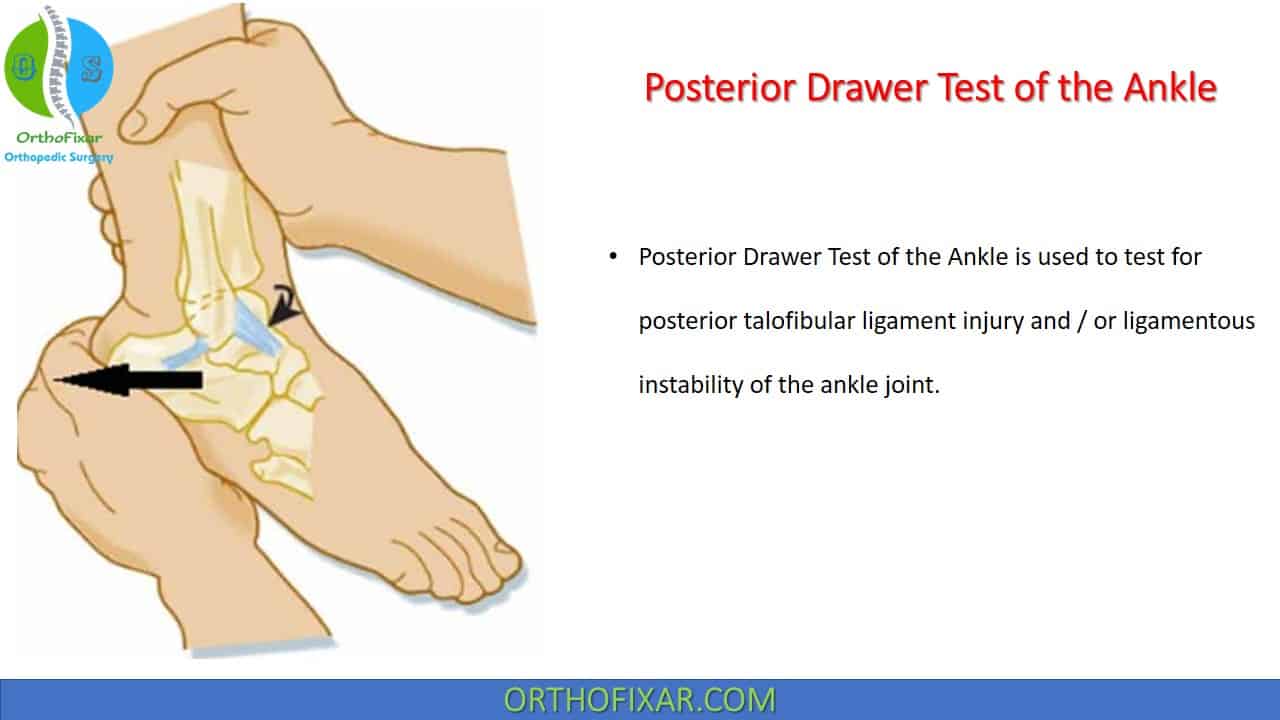
But if there's more movement than expected, it could mean a ligament injury. Think of it like a drawer that pulls out too easily. Hence the name Anterior Drawer Test!
What Does it All Mean? Deciphering the Clues
So, the test is done. What happens next? This test is only one piece of the puzzle.
The doctor will consider your symptoms, other tests, and the Anterior Drawer Test result to get a clear picture. They will then recommend the best plan of action.
Depending on the findings, they may suggest rest, ice, compression, and elevation (RICE). Physical therapy might be in order to strengthen those ligaments and muscles.

The Power of Observation: It’s all in the Details
What's really fascinating is the doctor's eye for detail. They're not just looking for movement. They're noting how much movement and how it feels.
Is it a subtle shift or a more pronounced slide? Does it feel firm or squishy? It’s like being a wine taster, but for ankles!
Even the slightest difference between your two ankles can be a significant clue. It is all about comparison and context.
Why Should You Care? Empowerment Through Knowledge
Why is this test worth knowing about? Well, for starters, it gives you a peek into the world of sports medicine. You will also gain a better appreciation for your body.
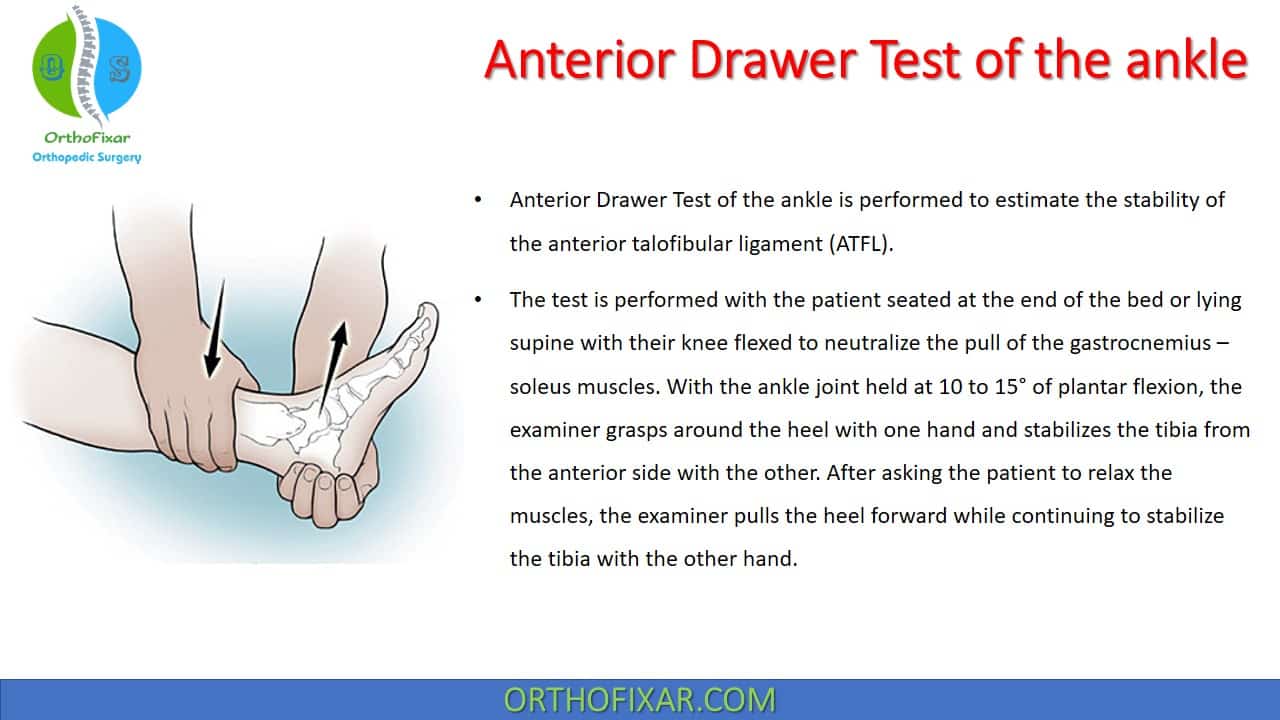
Understanding the Anterior Drawer Test can empower you to ask informed questions. You will be able to participate actively in your healthcare. And it helps you to be a responsible patient.
It’s not about becoming an expert overnight. It is about becoming a more engaged partner in your wellness journey. You will understand what's happening with your health.
More Than Just a Test: A Gateway to Understanding
The Anterior Drawer Test is just one tool in the doctor's toolkit. But it’s a pretty neat one. It showcases how a simple physical exam can provide valuable insights.
It's a testament to the power of observation and skilled touch. It is a reminder that medicine is both art and science.
So, the next time you hear about the Anterior Drawer Test, you’ll know it's more than just a funny name. It is a detective's tool, a ligament’s spotlight, and a step towards understanding your amazing ankle.