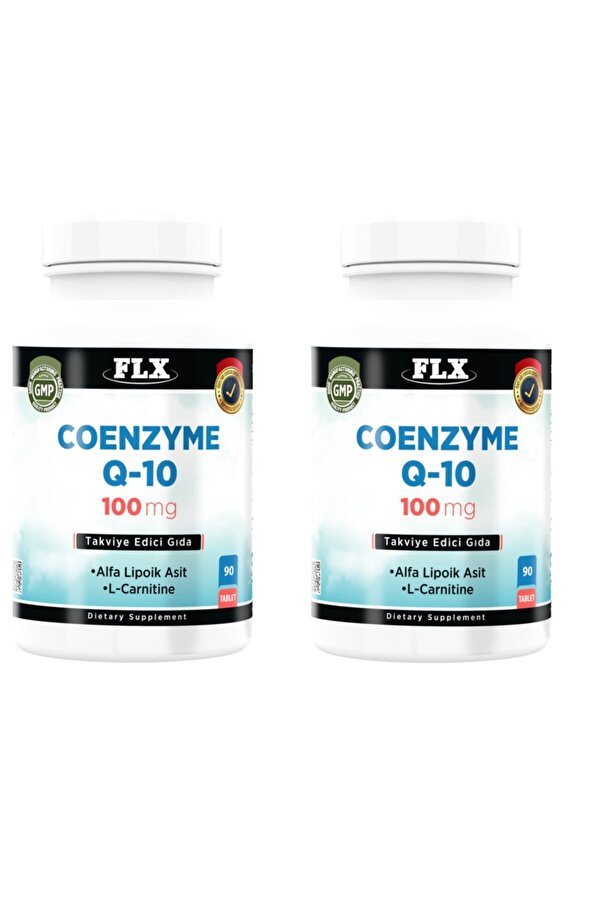
Alpha Lipoic Acid And Coenzyme Q10

Okay, picture this: me, staring into the mirror, noticing another fine line creeping in. "Seriously?" I muttered to my reflection. "Didn't I just buy, like, a gallon of anti-aging cream last week?" It got me thinking (as staring at fine lines often does) – what's really going on inside that contributes to how we look and feel? That’s when I fell down the rabbit hole of antioxidants, specifically Alpha Lipoic Acid (ALA) and Coenzyme Q10 (CoQ10). And trust me, it’s a pretty interesting rabbit hole. Prepare for some science-y but hopefully not too boring stuff!
So, what are these two mystery ingredients and why are they suddenly all the rage? Well, they're both antioxidants, which means they fight off these nasty things called free radicals. Think of free radicals as tiny, microscopic bullies constantly attacking your cells. They damage everything in their path, and that damage contributes to aging, disease, and generally feeling blah. Not ideal, right?
What's the Deal with Alpha Lipoic Acid (ALA)?
ALA is a particularly cool antioxidant because it's both water-soluble and fat-soluble. What does that even mean? Well, most antioxidants are only one or the other, meaning they can only work in certain parts of your body. ALA, however, can roam freely throughout your entire system, neutralizing free radicals wherever they may lurk. Pretty impressive, huh? Think of it as the ultimate all-terrain vehicle of antioxidants!
Must Read
It also does some other nifty things, like helping to regenerate other antioxidants, like Vitamin C and Vitamin E. It's basically an antioxidant helper. Plus, some studies suggest it can help improve insulin sensitivity, which is a fancy way of saying it might help regulate blood sugar. (Disclaimer: I’m not a doctor, so always consult with your healthcare provider before starting any new supplements!).
You can find ALA in certain foods like red meat, organ meats (brave souls!), spinach, broccoli, and tomatoes. But honestly, you'd probably have to eat a mountain of broccoli to get a significant dose. That's why many people opt for supplements. Just be sure to choose a reputable brand – there's a lot of junk out there, unfortunately.

And What About Coenzyme Q10 (CoQ10)?
CoQ10 is another antioxidant powerhouse. It’s naturally produced by your body, and it plays a vital role in cellular energy production. In simpler terms, it helps your cells create the energy they need to function properly. Think of it like the fuel that keeps your cells running smoothly. As we get older, our natural CoQ10 levels tend to decline, which can contribute to fatigue and other age-related issues. (Ugh, the aging process!).
One of the most well-known benefits of CoQ10 is its potential to support heart health. Your heart is a real energy-guzzler, and CoQ10 helps ensure it has enough fuel to keep pumping strong. It's also being studied for its potential role in treating migraines and improving fertility. Again, more research is needed, but the initial findings are promising.

You can find CoQ10 in foods like fatty fish (salmon, tuna), organ meats (again, if you’re feeling adventurous!), and whole grains. Just like with ALA, supplementing can be a more effective way to boost your levels, especially as you get older. There are two main forms of CoQ10: ubiquinone and ubiquinol. Ubiquinol is generally considered to be more easily absorbed by the body, especially as we age. So, keep that in mind when you're shopping around!
ALA and CoQ10: A Dynamic Duo?
The really interesting thing is that ALA and CoQ10 might work even better together. Since ALA helps regenerate other antioxidants, it can potentially boost the effectiveness of CoQ10. Plus, both contribute to cellular energy and antioxidant protection, so they complement each other nicely. They’re like the Batman and Robin of the antioxidant world. (Except maybe without the tights… hopefully).

Now, I'm not saying that ALA and CoQ10 are miracle cures or that they'll magically erase all your wrinkles (though wouldn’t that be amazing?!). But they're both powerful antioxidants that can support overall health and well-being. And let's be honest, in a world full of free radicals and daily stressors, we could all use a little extra antioxidant help, right?
Before you rush off to buy every supplement on the market (don't do that!), talk to your doctor or a registered dietitian. They can help you determine if ALA and CoQ10 are right for you and recommend the appropriate dosage. And remember, a healthy diet, regular exercise, and a good night's sleep are still the cornerstones of a healthy lifestyle. Antioxidants are just an added bonus!
So, back to that fine line in the mirror. Maybe, just maybe, these two little guys can help me slow down the aging process, one free radical at a time. Wish me luck!