
Adap Related To Teens And Driving Article
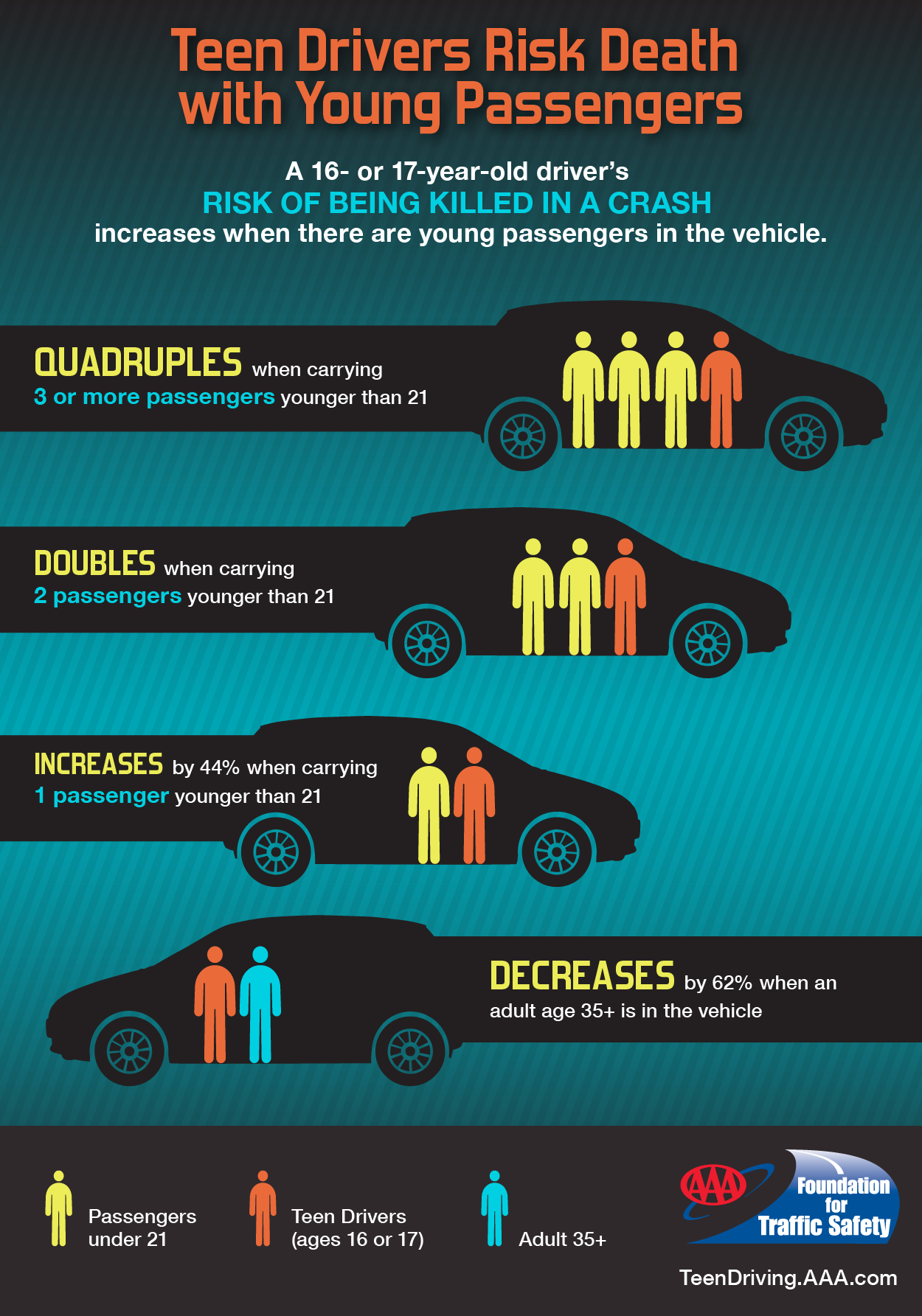
Alright, settle in, grab your metaphorical coffee, because we need to talk about one of life’s great, terrifying, and utterly hilarious milestones: teens and driving. It's not just a skill; it's a full-blown societal adaptation, a grand, chaotic dance between youthful exuberance and parental white-knuckling.
Remember that idyllic time when your biggest car-related worry was finding parking? Ah, sweet innocence. Then, BAM! Your kid hits sixteen, or fifteen-and-a-half if you live in a particularly ambitious state, and suddenly, they're clutching a learner's permit like it's a golden ticket to outer space. For parents, this isn't just a piece of paper; it's a Declaration of Independence for your child and a Declaration of Imminent Doom for your peace of mind.
The Parental Adaptation: From Chauffeur to Co-Pilot (and Prayer Warrior)
The first adaptation? Yours. You go from being the benevolent Uber driver to the nervous co-pilot. Every traffic light becomes a high-stakes decision. Every slight veer of the wheel is interpreted as an impending collision. You develop a new kind of peripheral vision, one that constantly scans for hidden obstacles, rogue squirrels, or even just confusing signage that might send your precious cargo into a ditch.
Must Read
It's an art, really. The art of giving directions without screaming. The art of pointing out a cyclist without swerving yourself. You're basically a human GPS, only your updates come with involuntary gasps and the occasional, "Are you sure you saw that signal?" Your internal monologue is a frantic stream of prayers, while your external voice strives for calm, cool, collected wisdom. Spoiler alert: it rarely works.
The Teen Adaptation: Confidence, Curbs, and Carpool Karaoke
Now, let's talk about the teens themselves. Their adaptation is a fascinating blend of boundless confidence and a slight, shall we say, casual disregard for the finer points of road safety. They adapt by embracing the freedom. Suddenly, the world is their oyster, and that oyster has four wheels and a radio that goes to eleven.

They adapt to parallel parking by… well, by occasionally meeting a curb on intimate terms. They adapt to traffic laws by mostly following them, except for maybe that one time they "forgot" to signal because their playlist just hit that song. Their spatial awareness improves, but their ability to notice the fuel gauge often does not. This is a critical adaptation they'll learn later, likely on the side of a highway.
The Car's Adaptation: From Family Sedan to Teen Battlewagon
And then there's the car. Oh, the poor, innocent car. It undergoes the most significant transformation of all. What was once your pristine, family-friendly vehicle rapidly adapts into a veritable teen battlewagon. The clean interior? A distant memory. It quickly accumulates a fascinating ecosystem of forgotten snack wrappers, mysterious stains, and an array of sports equipment you didn't even know you owned.
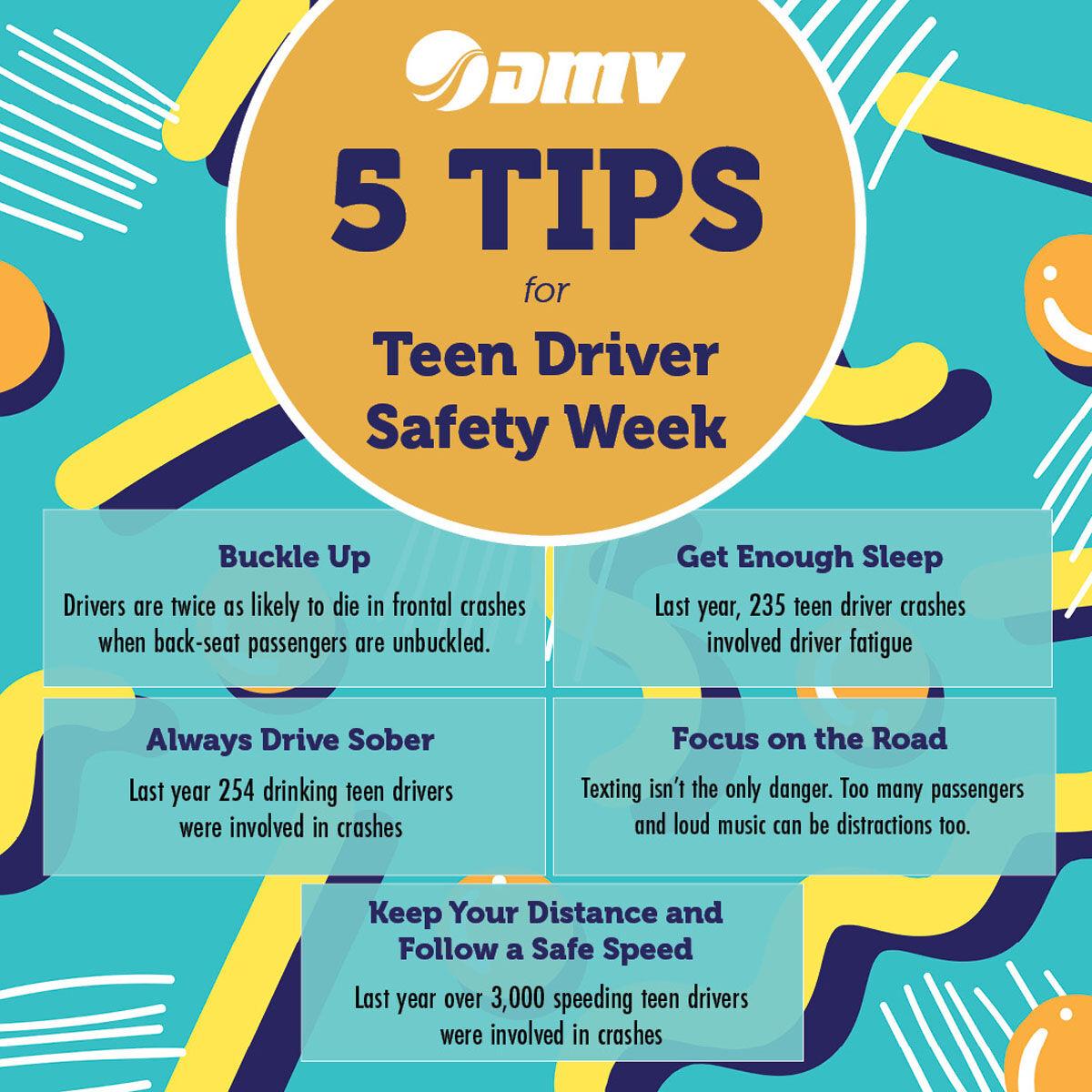
The passenger seat becomes a mobile storage unit for backpacks, water bottles, and perhaps a rogue skateboard. The trunk? A black hole for athletic gear. The car's sound system adapts too, becoming exclusively a vessel for bass-heavy anthems and questionable TikTok trends. You might even find yourself saying, "Did that smell just adapt to 'eau de stale gym sock'?"
Technological Adaptations: The Eyes and Ears of the Modern Parent
But fear not, anxious parents! Technology has adapted right alongside this rite of passage. Modern cars are veritable fortresses of safety features. Think of them as tiny guardian angels with ABS brakes. We’ve got airbags popping out of places you didn't even know existed. There are backup cameras that make parallel parking almost foolproof (emphasis on almost).
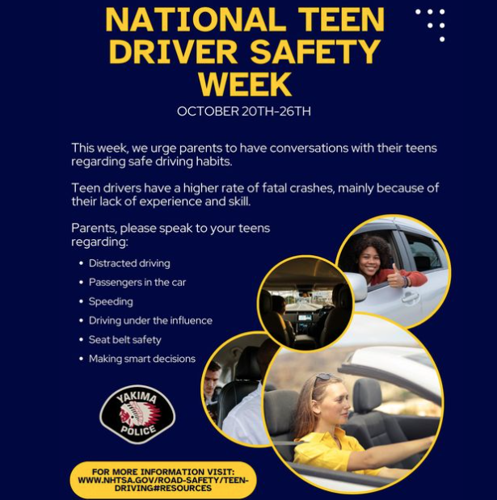
Some cars even come with built-in speed limiters or telematics systems that can report on driving habits. Yes, that's right. Your car can now tattle on your teen. It's like having a tiny, automotive snitch, silently judging every rapid acceleration and hard brake. This is a major adaptation in parental peace of mind, allowing you to subtly monitor their newfound freedom, or at least pretend you're not obsessively checking an app.
Societal Adaptations: The Graduated Driver Licensing (GDL) System
Even society has adapted, recognizing that throwing a freshly minted permit holder straight onto the highway with a car full of friends might not be the best idea. Enter the Graduated Driver Licensing (GDL) system. This brilliant adaptation eases teens into driving responsibilities, usually starting with supervised driving, then restrictions on nighttime driving and the number of passengers. It's like a driving tutorial, but with real-life consequences.

The GDL system is essentially saying, "We love you, teens, but we also acknowledge that your brains aren't fully developed and sometimes you make choices based on who has the best snacks, not road safety." It's a pragmatic adaptation, designed to reduce accidents and give young drivers time to gain experience before they become full-fledged road warriors.
The Ultimate Adaptation: Letting Go (Eventually)
Ultimately, the biggest adaptation for everyone involved is the act of letting go. For teens, it's letting go of childhood dependency and embracing the responsibility that comes with the keys. For parents, it's letting go of the constant need to protect, and trusting that all those frantic co-piloting sessions actually sunk in.
It’s a bumpy, sometimes scary, often hilarious journey. There will be dings, dents, maybe a flat tire or two, and certainly an endless supply of "I swear, I did check the gas!" excuses. But through it all, everyone adapts. The teen becomes a more competent driver, the car develops character, and the parents… well, the parents learn to breathe again. And maybe, just maybe, enjoy a moment of quiet while their teen is out driving themselves. It's a beautiful, chaotic, and very real adaptation to modern life.