
Acetate Of Lime Polar Or Nonpolar

Ever heard of acetate of lime? It sounds like something a fancy chemist would concoct in a lab. But trust me, it's more interesting than your average science experiment!
Let's dive in!
The Big Question: Polar or Nonpolar?
This is where things get interesting. Is acetate of lime a polar bear or a penguin in the molecular world? In chemistry, polarity refers to how evenly electrons are shared in a molecule.
Must Read
If electrons are shared equally, it's nonpolar. Think of it as a perfectly balanced seesaw. If one atom hogs the electrons, it's polar. Like a seesaw with a sumo wrestler on one side!
So, which is acetate of lime?
Unveiling the Molecular Secrets
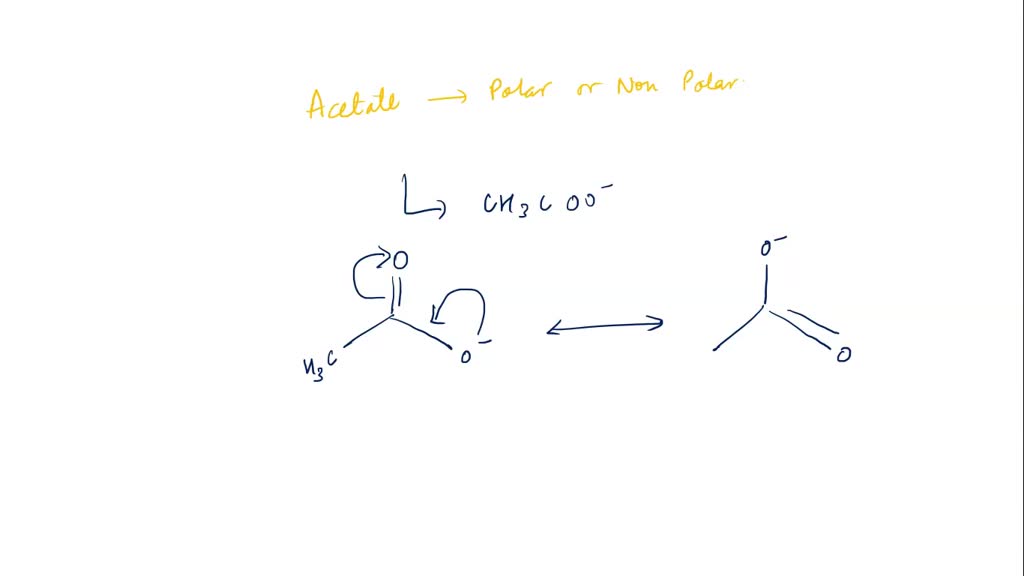
To figure this out, we need to peek at its structure. Acetate of lime, or calcium acetate, is made of calcium ions and acetate ions. Ions, as you might recall, are atoms with an electrical charge.
Calcium is a positively charged ion. Acetate is a negatively charged ion. Opposites attract, and that electrical attraction is key here.
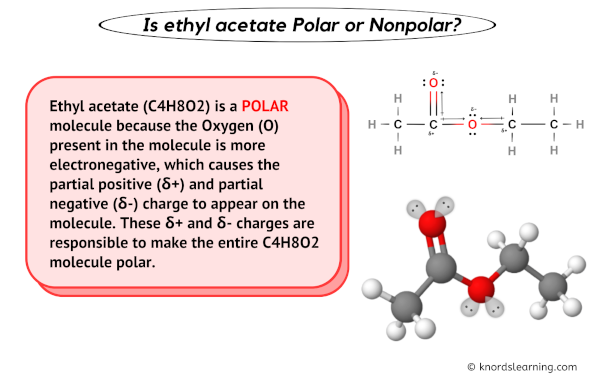
This attraction makes acetate of lime an ionic compound. And ionic compounds are generally considered polar. Think of it as a very strong electrical hug between the calcium and acetate!
But here’s a twist! The acetate part of the molecule, the bit that isn't calcium, has some nonpolar-ish regions. It’s like a polar bear wearing a slightly less polar hat!
This dual nature is what makes it so fascinating. It’s not entirely one thing or the other.
Why Does it Matter Anyway?
You might be thinking, “Okay, so it’s a bit polar. Big deal!” But polarity affects how acetate of lime behaves.
It affects how well it dissolves in water. Polar substances like to dissolve in polar solvents (like water!). Nonpolar substances prefer nonpolar solvents (like oil).
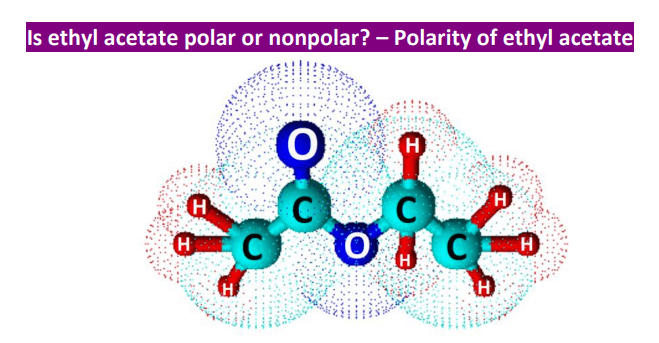
Because acetate of lime has that polar nature, it dissolves quite well in water. Making it very useful in different applications.
It's like understanding someone's personality. Knowing if they are outgoing or shy helps you interact with them better. Understanding polarity helps chemists use acetate of lime effectively.
Cool Uses of Acetate of Lime
So, where do we find this intriguing chemical in action? It's used in various industries!
It can act as a mordant in dyeing textiles. This means it helps the dye stick to the fabric, giving you vibrant and long-lasting colors.
It's also used as a food additive. It can act as a buffer, stabilizer, and even contribute to flavor. You might even have unknowingly consumed it!
Furthermore, it can be used in laboratories. Scientists may use it to prepare acetone, which is a common solvent.
Digging Deeper: The Entertaining Side
What makes acetate of lime truly entertaining? It's the constant reminder that chemistry isn't always black and white.
There are nuances. There are exceptions. There are always more layers to peel back!
It's like a good mystery novel. Every answer leads to more questions. It keeps you hooked!

It’s also a testament to the interconnectedness of things. How a seemingly simple molecule can have diverse applications.
Think about it. From dyeing your clothes to being an ingredient in your food. Not many molecules can boast such versatility!
Time to Explore
Hopefully, this has piqued your curiosity about acetate of lime. It's more than just a chemical compound.
It's a small window into the fascinating world of chemistry. A world full of polar bears in funny hats and sumo wrestlers on seesaws!
So, go ahead and explore! Dive deeper into its properties and applications. You might just discover your new favorite molecule!