A Study Was Done To Find If Different Tire Treads
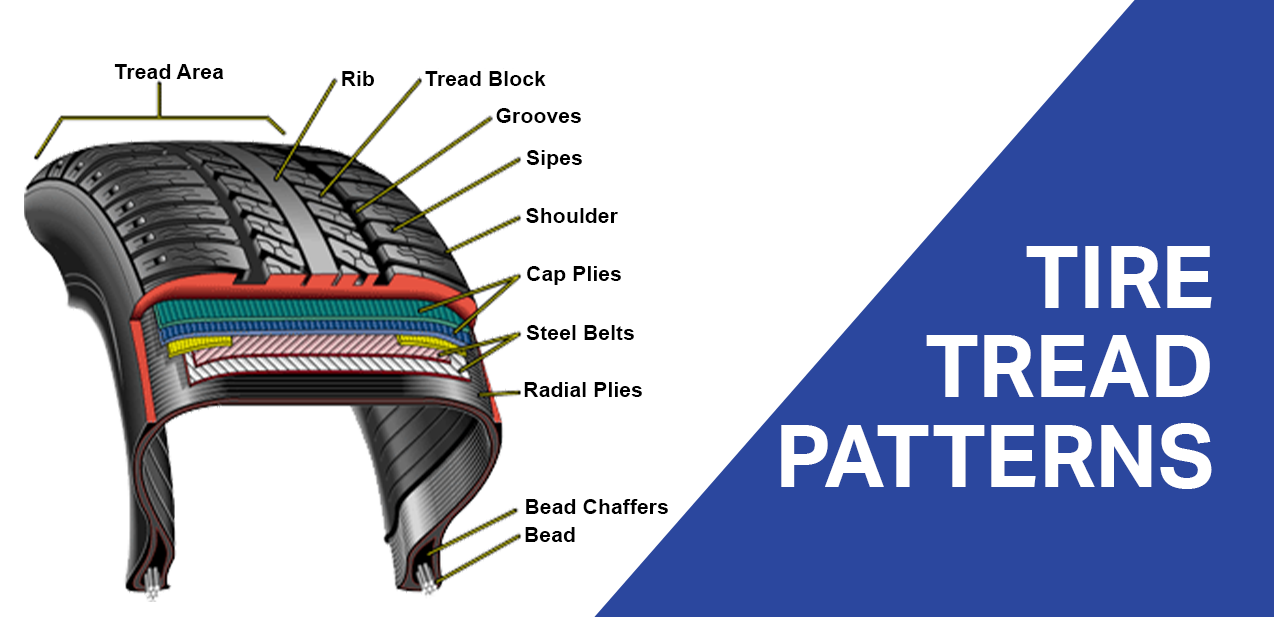
Have you ever glanced at the tires on different cars and noticed how wildly different the tread patterns can be? Some look like aggressive, chunky claws, while others are smooth and seemingly designed for speed. There's a whole world of engineering dedicated to those grooves, and understanding it is surprisingly fascinating! Recently, a study dug into just how much those different tire treads really matter, and the results have implications for everything from fuel efficiency to your safety on the road.
The purpose of this study, like many before it, was to quantify the performance differences between various tire tread designs. It's more than just aesthetics; the tread pattern plays a crucial role in things like grip on wet or dry surfaces, braking distance, and even the amount of noise your tires generate. By understanding these differences, tire manufacturers can design better, safer, and more efficient tires, and consumers can make more informed choices when it's time to buy new ones. The benefits are clear: improved road safety, reduced fuel consumption (some tread patterns create less rolling resistance), and a smoother, quieter ride.
Think about it: in driver's education, you're taught about maintaining proper tire pressure, but rarely do they delve into the impact of the tread itself. Imagine a lesson dedicated to understanding how different treads perform in simulated rain or snow conditions. Students could visually see the impact of tread design on stopping distance, fostering a deeper understanding of road safety. On a more everyday level, this knowledge can inform your tire choices. If you live in an area prone to heavy rain or snow, you might opt for a tire with a more aggressive tread pattern designed to channel water away from the contact patch, reducing the risk of hydroplaning. Conversely, if you primarily drive on dry roads, a tire with a less aggressive tread pattern might offer better fuel efficiency and a quieter ride.
Must Read
So, how can you explore this topic yourself without access to a sophisticated testing lab? Start by simply observing. Look at the tires on different vehicles you encounter – trucks, sports cars, SUVs. Notice the patterns. Are there large grooves? Small sipes (those tiny slits within the tread blocks)? Consider the type of vehicle and where it's likely driven. A pickup truck designed for off-roading will naturally have a far more aggressive tread than a fuel-efficient hybrid. You can also do some online research. Many tire manufacturers provide detailed information about the performance characteristics of their tires, including ratings for wet grip, dry grip, and rolling resistance. Reading reviews and comparing different models can be a surprisingly informative exercise. Another fun experiment (done safely and legally, of course!) is to compare the noise level of different tire types on your own vehicle, if you ever have the opportunity to switch between them.
Ultimately, understanding the role of tire tread is about more than just knowing the names of different patterns. It's about appreciating the engineering that goes into keeping us safe on the road, and making informed choices that can improve our driving experience and contribute to a more sustainable future. Next time you're waiting at a traffic light, take a closer look at the tires around you – you might be surprised at what you discover!